Cross-Validation of Genomic Prediction Models: A Foundational Guide for Biomedical Researchers
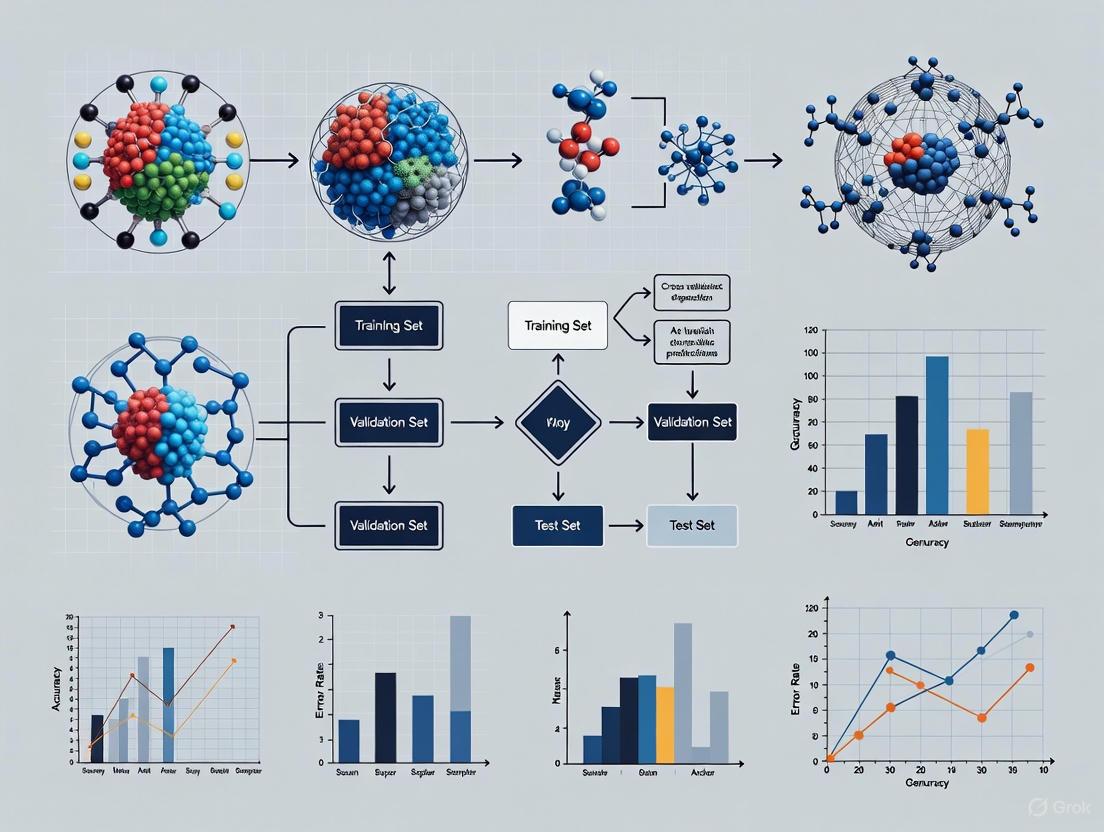
This article provides a comprehensive guide to cross-validation for genomic prediction models, a critical step for ensuring the reliability and generalizability of models in biomedical research and drug development.
Cross-Validation of Genomic Prediction Models: A Foundational Guide for Biomedical Researchers
Abstract
This article provides a comprehensive guide to cross-validation for genomic prediction models, a critical step for ensuring the reliability and generalizability of models in biomedical research and drug development. We explore the foundational principles of why cross-validation is indispensable for robust genomic prediction, moving to a detailed examination of core methodologies like k-fold and Leave-One-Out Cross-Validation. The guide addresses common pitfalls and optimization strategies, including handling overfitting, data leakage, and computational efficiency. Finally, it offers a framework for the rigorous validation and comparative analysis of different models, from traditional BLUP to advanced machine learning methods, empowering scientists to build more accurate and trustworthy predictive tools for clinical and research applications.
The Critical Role of Cross-Validation in Genomic Prediction
In the domain of genomic selection (GS), the primary goal is to predict the genetic merit of breeding candidates using genome-wide molecular markers, thereby accelerating genetic gain in plant and animal breeding programs [1] [2]. Genomic prediction models, however, require robust validation to ensure their predictions will generalize to new, unseen populations. Cross-validation (CV) serves as a fundamental statistical procedure for assessing how the results of a statistical analysis will generalize to an independent data set [3]. It is any of various similar model validation techniques for assessing how the results of a statistical analysis will generalize to an independent data set [3]. In GS, this is critical for estimating the potential accuracy of selections before committing extensive resources to field trials.
The use of cross-validation is particularly important because simply fitting a model to a training dataset and computing the goodness-of-fit on that same data produces an optimistically biased assessment - the model does not need to generalize, it only needs to recall the data it was trained on [3]. This bias is especially pronounced when the number of parameters is large relative to the number of data points, a common scenario in genomic prediction where thousands of markers are used to predict traits [4]. Cross-validation provides an out-of-sample estimate of model performance, which is more indicative of how the model will perform in actual breeding scenarios where selections are made on untested individuals [2] [3].
A Spectrum of Methods: From Simple Holdout to Exhaustive Designs
Cross-validation methods exist on a spectrum, ranging from computationally simple approaches to exhaustive designs that use the entire dataset for both training and validation. These methods can be broadly categorized as non-exhaustive (holdout and k-fold) and exhaustive (leave-p-out and leave-one-out) approaches [3]. The choice among these methods involves trade-offs between bias, variance, computational expense, and suitability for specific data structures commonly encountered in genomic studies, such as family structures or longitudinal measurements [2].
The table below summarizes the core characteristics of the primary cross-validation methods relevant to genomic prediction research:
Table 1: Comparison of Cross-Validation Methods in Genomic Prediction
| Method | Basic Procedure | Key Advantages | Key Limitations | Typical Use Cases in Genomics |
|---|---|---|---|---|
| Holdout [3] [5] | Single random split into training and testing sets (e.g., 70%/30%). | • Computational efficiency [6]• Simplicity and ease of implementation [6] | • High variance in performance estimate due to single split [6]• Potentially inefficient use of data [6] | • Initial exploratory analysis with very large datasets [6]• Creating a truly independent validation set for final model assessment [7] |
| k-Fold Cross-Validation [3] | Data partitioned into k equal folds. Iteratively, k-1 folds train the model, and 1 fold tests it. Process repeats k times. | • Reduced bias compared to holdout [4]• All data used for both training and testing [3]• More reliable performance estimate [4] | • Higher computational cost than holdout [7]• Stratification needed for imbalanced data [5] | • Standard for model comparison and hyperparameter tuning [4] [8]• Evaluating genomic prediction models for traits with varying heritability [4] |
| Stratified k-Fold [5] | Enhanced k-fold where each fold preserves the original proportion of target variable classes. | • Handles imbalanced datasets effectively [5]• Prevents folds with missing class representation | • Genomic prediction for case-control studies with unequal group sizes• Classification of disease resistance in plants | |
| Leave-One-Out (LOOCV) [3] | A special case of leave-p-out with p=1. Each single observation serves as the test set once, with the rest as training. | • Virtually unbiased estimate [5]• Uses maximum data for training (n-1 samples) [3] | • Computationally expensive for large n [3] [5]• High variance in estimator [3] | • Small breeding populations or trials with limited samples [5]• Prototyping models with minimal data |
| Leave-p-Out (LpO) [3] | An exhaustive method where all possible training sets are created by leaving out p observations for testing. | • Extremely comprehensive use of data | • Computationally prohibitive for large p and n [3] (e.g., C(100,30) ≈ 3x10^25 combinations [3]) | • Rarely used in genomic prediction due to computational constraints |
| Repeated/Monte Carlo [3] [5] | Repeated random splits of the data into training and testing sets over multiple iterations (e.g., 100-500 times). | • Reduces variability of estimate through averaging [3] | • Computationally intensive• Risk of overlapping samples between training and test sets across iterations | • Providing stable performance estimates for high-value model selection• When the dataset structure doesn't align well with k-fold |
The Holdout Method: Simplicity with Limitations
The holdout method, also known as train-test split or simple validation, is the most fundamental cross-validation approach [3]. It involves randomly splitting the entire dataset into two mutually exclusive subsets: a training set used to build the model and a testing set (or holdout set) used to evaluate its performance [6] [5]. A common partitioning ratio is 70% of data for training and 30% for testing, though this can vary [6].
The primary advantage of the holdout method is its computational efficiency and simplicity, requiring only a single model training cycle [6]. This makes it suitable for initial model building or when working with very large datasets where more complex CV is computationally prohibitive [6]. It is also the only method that can, if implemented with strict data separation, simulate a truly independent test set, which is crucial for assessing a final model's readiness for deployment [7].
However, the holdout approach has significant drawbacks. Its performance estimate can have high variance, meaning it can change substantially depending on which observations are randomly assigned to the training and test sets [6]. This is particularly problematic in genomic studies with limited sample sizes. Furthermore, it is data inefficient, as a portion of the data (the test set) is never used for model training, which can be a critical waste of information in small-scale breeding trials [6].
k-Fold Cross-Validation: The Workhorse for Genomic Model Evaluation
k-Fold cross-validation is arguably the most widely used method for evaluating and tuning genomic prediction models [4] [8]. In this procedure, the dataset is randomly partitioned into k subsets of approximately equal size, known as "folds" [3]. The model is then trained k times, each time using k-1 folds for training and the remaining single fold for validation. The process is repeated until each fold has been used exactly once as the validation set [5]. The final performance metric is typically the average of the k validation results [3].
A key strength of k-fold CV is that it provides a more reliable and less variable estimate of model performance than the holdout method because every observation is used for both training and validation [4]. This makes efficient use of limited data, a common scenario in genomic studies. It is particularly valuable for comparing different prediction models (e.g., G-BLUP vs. BayesA vs. BayesC [4]) and for tuning model hyperparameters without leaking information from the test set into the training process [6].
The value of k is a key choice; common values are 5 or 10 [5]. Lower values (e.g., k=5) are less computationally expensive, while higher values (e.g., k=10) make the training set in each iteration larger and can reduce bias. A special case is Leave-One-Out Cross-Validation (LOOCV), where k equals the number of samples (n) [3]. While LOOCV is nearly unbiased, it is computationally expensive for large n and can have high variance [3]. For imbalanced datasets, Stratified k-fold is recommended, as it ensures each fold has the same proportion of the target variable as the complete dataset [5].
Diagram: Workflow of 5-Fold Cross-Validation
Experimental Protocols: Implementing CV in Genomic Studies
Protocol 1: k-Fold CV for Comparing Genomic Prediction Models
A study comparing the predictive accuracy of various genomic models for crop traits provides a clear protocol for applying k-fold CV in a breeding context [4].
- Objective: To compare the predictive performance of different genomic prediction models (e.g., G-BLUP, BayesA, BayesB, BayesC) and assess the impact of their hyperparameters [4].
- Dataset: Public datasets of wheat (n = 599), rice (n = 1,946), and maize lines with dense marker panels and recorded phenotypes for traits like grain yield [4].
- Methodology:
- Data Preprocessing: Genotypic data were encoded as allele dosages (0,1,2). Phenotypic data were pre-adjusted for fixed effects (e.g., environments) if necessary.
- Model Definition: Several models from the "Bayesian Alphabet" and mixed linear models (e.g., G-BLUP) were specified [4].
- Cross-Validation: A paired k-fold cross-validation scheme was implemented. The same k-fold partitions were applied to all models to ensure a fair comparison. This "paired" design increases the statistical power to detect differences between models [4].
- Hyperparameter Tuning: For models with hyperparameters (e.g., prior degrees of freedom in BayesA), k-fold CV was used to evaluate different values, selecting the one that optimized predictive accuracy [4].
- Performance Assessment: Predictive accuracy was measured as the correlation between observed and predicted phenotypic values in the validation folds. Statistical tests were proposed to determine if differences in accuracy between models were relevant in the context of expected genetic gain [4].
- Key Findings: The study concluded that k-fold CV is a "generally applicable and statistically powerful methodology to assess differences in model accuracies." It also found that for many models, default hyperparameters or those learned directly from the data (e.g., via REML) were often competitive with extensively tuned values [4].
Protocol 2: Independent Validation for Cross-Generational Prediction
A study on Norway spruce highlights a critical limitation of standard k-fold CV and the need for independent validation in an operational breeding context [2].
- Objective: To assess the accuracy of genomic prediction for wood properties when models are applied across generations and environments, a more realistic breeding scenario [2].
- Dataset: Phenotypic and genomic data from two generations of Norway spruce: parental plus-tree clones (G0) and their progeny (G1) grown in two different trial environments [2].
- Methodology:
- Validation Approaches: Instead of random k-fold splits, the study employed independent validation sets:
- Forward Prediction (Approach A): Models were trained on the parental generation (G0) and used to predict the performance of the progeny generation (G1) in two different environments [2].
- Backward & Across-Environment Prediction (Approaches B & C): Models were trained on one progeny environment to predict the other progeny environment or the parental generation [2].
- Model Fitting: Both pedigree-based (ABLUP) and marker-based (GBLUP) models were fitted [2].
- Performance Metrics: Predictive ability (PA) was measured as the correlation between predicted and observed values, and prediction accuracy (ACC) was calculated by dividing PA by the square root of the trait's heritability [2].
- Validation Approaches: Instead of random k-fold splits, the study employed independent validation sets:
- Key Findings: The study found that while k-fold CV within a single generation can yield optimistic results, forward and backward predictions across generations were feasible for wood density traits but more challenging for growth traits. It emphasized that independent validation "ensuring no individuals were shared between training and validation datasets" is crucial for assessing the real-world utility of genomic prediction models in multi-generational breeding programs [2].
Table 2: Key Reagents and Computational Tools for Genomic Prediction Cross-Validation
| Category | Item | Description & Function in Research |
|---|---|---|
| Statistical Software & Libraries | R Statistical Environment | Primary platform for implementing custom CV scripts and statistical analyses (e.g., using BGLR, sommer packages) [4] [1]. |
| Python (scikit-learn) | Used for machine learning-based CV workflows, especially with integrated ML and deep learning models [9]. | |
| Specialized Software (SVS) | Commercial software like SNP & Variation Suite (SVS) provides integrated pipelines for genomic prediction (GBLUP, Bayes C) with built-in k-fold cross-validation [8]. | |
| Genomic Prediction Models | G-BLUP / RR-BLUP | A common baseline model using a genomic relationship matrix to model the covariance among genetic effects. Priors assume marker effects follow a normal distribution [4]. |
| Bayesian Alphabet (BayesA, B, C) | A family of models that use different prior distributions (e.g., scaled-t, spike-slab) for marker effects to accommodate various genetic architectures [4]. | |
| Experimental Materials | Plant/Animal Populations | Training populations of known pedigree and phenotype (e.g., wheat, rice, maize lines, Norway spruce pedigrees) for model training [4] [2]. |
| Dense Molecular Marker Panels | Genotyping-by-sequencing or SNP arrays used to obtain genome-wide marker data (e.g., DArT markers, SNPs) for building relationship matrices or feature sets [4] [2]. |
The selection of an appropriate cross-validation method is not a one-size-fits-all decision but a critical strategic choice in genomic prediction research. The holdout method offers simplicity and is useful for creating a truly independent test set or for initial analysis of very large datasets [7] [6]. However, for the more common tasks of model selection, hyperparameter tuning, and reliable performance estimation with limited data, k-fold cross-validation is the recommended and most widely used standard due to its balance of bias, variance, and computational feasibility [4] [3].
For operational breeding programs, where the ultimate goal is to predict the performance of untested individuals in future generations or new environments, the most rigorous approach is independent external validation [2] [10]. While k-fold CV within a single population provides a useful initial benchmark, it can produce optimistically biased estimates of real-world performance. Therefore, the most robust genomic prediction pipelines employ k-fold CV for internal model development and comparison, followed by a final assessment using an independent holdout set or, ideally, a population from a different generation or environment to confirm the model's generalizability and practical utility [2].
Why Cross-Validation is Non-Negotiable in Genomic Prediction
In the two decades since the seminal introduction of genomic selection, the field has witnessed an explosion of statistical models and machine learning algorithms designed to predict complex traits from dense genetic marker panels. For researchers and breeders, this abundance creates a critical question: how does one objectively select the most appropriate model for a specific prediction task? Cross-validation (CV) has emerged as the indispensable methodology for this model evaluation and selection process. By providing a robust framework for estimating how well models will perform on unseen data, CV enables data-driven decisions that directly impact the efficiency of breeding programs and the acceleration of genetic gain. Its proper implementation is not merely a statistical formality but a fundamental requirement for credible genomic prediction.
The Critical Role of Cross-Validation in Genomic Prediction
Fundamental Principles and Importance
Cross-validation is a resampling technique used to evaluate the performance of predictive models by partitioning data into training sets (for model calibration) and testing sets (for model validation). In genomic prediction, this process is crucial because it provides a realistic estimate of a model's ability to generalize to new, unseen genotypes—the ultimate goal in plant and animal breeding programs [11]. By simulating how a model will perform in practice, CV helps prevent overfitting, where a model learns the noise and specifics of the training data rather than the underlying genetic architecture, thus failing to perform well on new data [11] [12].
The non-negotiable status of CV stems from its direct impact on genetic gain. Predictive accuracy estimates obtained through CV directly inform selection decisions, influencing the speed and efficiency of breeding cycles [13]. Without rigorous CV procedures, breeders risk making suboptimal selections based on overly optimistic performance estimates, potentially wasting significant resources and delaying genetic improvement.
Cross-Validation Protocols and Methodologies
Several CV strategies have been developed, each with specific advantages for particular genomic prediction scenarios:
K-Fold Cross-Validation: The dataset is divided into K equal-sized folds. The model is trained on K-1 folds and tested on the remaining fold. This process is repeated K times, with each fold serving as the test set once. The final performance metric is the average across all iterations [11] [12]. This method offers a good balance between bias and computational efficiency.
Leave-One-Out Cross-Validation (LOOCV): A special case of K-fold CV where K equals the number of observations in the dataset. In each iteration, a single observation is used for testing and the remaining observations for training [11] [12]. While LOOCV provides nearly unbiased estimates, it is computationally intensive for large datasets.
Stratified K-Fold Cross-Validation: Preserves the percentage of samples for each class (or important biological groups) in each fold, which is particularly valuable for imbalanced datasets [11] [14].
Paired K-Fold Cross-Validation: Emphasized in genomic prediction research, this approach ensures that comparisons between candidate models are conducted using the same data partitions, thereby increasing the statistical power to detect meaningful differences in model performance [13].
Nested Cross-Validation: Employed for both model selection and hyperparameter tuning, this approach features two layers of CV: an inner loop for parameter optimization and an outer loop for performance assessment, effectively preventing information leakage and over-optimistic estimates [14].
Table 1: Comparison of Common Cross-Validation Techniques in Genomic Prediction
| Technique | Best Use Cases | Advantages | Limitations |
|---|---|---|---|
| K-Fold CV | Standard genomic prediction scenarios with moderate dataset sizes | Balanced bias-variance tradeoff; computationally efficient | Performance can vary with different random partitions |
| Leave-One-Out CV (LOOCV) | Small datasets where maximizing training data is critical | Low bias; uses maximum data for training | Computationally expensive; high variance in estimates |
| Stratified K-Fold CV | Imbalanced datasets (e.g., case-control studies) | Maintains class distribution; improves estimate reliability | More complex implementation; not for regression tasks |
| Paired K-Fold CV | Comparing multiple models on the same dataset | Enables powerful statistical comparisons between models | Requires careful implementation of identical splits |
| Nested CV | Hyperparameter tuning and model selection | Prevents optimistic bias; robust performance estimates | Computationally intensive; complex implementation |
Experimental Evidence: Quantifying Cross-Validation Impact
Benchmarking Model Performance
The necessity of CV is clearly demonstrated in systematic benchmarking studies. The EasyGeSe resource, which facilitates standardized comparison of genomic prediction methods across multiple species, relies on CV to evaluate performance. In one comprehensive assessment, predictive performance measured by Pearson's correlation coefficient (r) varied significantly by species and trait (p < 0.001), ranging from -0.08 to 0.96 across different datasets, with a mean accuracy of 0.62 [15]. Without standardized CV protocols, such objective comparisons between methods would be impossible.
The same benchmarking revealed modest but statistically significant (p < 1e-10) gains in accuracy for non-parametric methods including random forest (+0.014), LightGBM (+0.021), and XGBoost (+0.025) compared to traditional parametric approaches [15]. These subtle but important differences would be difficult to detect without the statistical power provided by rigorous CV procedures.
Advanced Genomic Prediction Applications
Cross-validation plays an equally critical role in more specialized genomic prediction applications. For genomic predicted cross-performance (GPCP), which predicts the performance of parental combinations rather than individual breeding values, CV is essential for model validation. Studies have demonstrated GPCP's superiority over traditional genomic estimated breeding values (GEBVs) for traits with significant dominance effects, effectively identifying optimal parental combinations and enhancing crossing strategies [1].
In predicting progeny variance—a crucial component for long-term genetic gain—research has shown that predictive ability increases with heritability and progeny size and decreases with QTL number [16]. For instance, in experimental validations using winter bread wheat, parental mean (PM) and usefulness criterion (UC) estimates were significantly correlated with observed values for all traits studied (yield, grain protein content, plant height, and heading date), while standard deviation (SD) was correlated only for heading date and plant height [16]. These nuanced insights into model performance across different trait architectures depend entirely on robust CV frameworks.
Table 2: Cross-Validation Performance Across Genomic Prediction Applications
| Application | Trait/Species | Key Finding | Impact of Proper CV |
|---|---|---|---|
| Model Benchmarking [15] | Multiple species (barley, maize, rice, wheat, etc.) | Significant variation in predictive performance across species and traits (r: -0.08 to 0.96) | Enabled fair comparison of 10+ prediction methods across diverse biological contexts |
| GPCP for Cross Performance [1] | Yam (clonal crop) | Superior to GEBV for traits with significant dominance effects | Validated new tool for identifying optimal parental combinations |
| Progeny Variance Prediction [16] | Winter bread wheat (yield, quality traits) | SD predictions required large progenies and were trait-dependent | Identified limitations for complex traits, guiding appropriate method application |
| Multi-Environment Trials [17] | Rye (grain yield) | Spatial models with row/column effects yielded highest predictive ability | Optimized phenotypic data analysis for genomic prediction |
Implementation Protocols and Computational Considerations
Standardized Experimental Workflows
Implementing CV in genomic prediction requires careful experimental design. The following workflow illustrates a standard k-fold cross-validation process:
Computational Innovations
A significant innovation in genomic prediction CV addresses the computational burden, particularly for complex Bayesian models and large datasets. Research has demonstrated that it is feasible to obtain exact CV results without model retraining for many linear models, including ridge regression, GBLUP, and reproducing kernel Hilbert spaces regression [18]. For Bayesian models, importance sampling techniques can produce CV results using a single Markov chain Monte Carlo (MCMC) run, dramatically reducing computational requirements [18].
These computational advances make extensive CV feasible even for resource-constrained breeding programs, removing a significant barrier to proper model evaluation. The ability to conduct powerful CV without prohibitive computation time reinforces its non-negotiable status in genomic prediction.
Table 3: Key Research Reagent Solutions for Genomic Prediction Cross-Validation
| Tool/Resource | Function | Implementation Example |
|---|---|---|
| BGLR R Package [13] | Bayesian regression models with various priors | Fitting Bayesian alphabet models (BayesA, BayesB, BayesC) |
| Sommer R Package [1] | Mixed model analysis | Fitting mixed linear models with additive and dominance relationship matrices |
| Scikit-Learn [12] [14] | Machine learning and cross-validation | Implementing k-fold CV, stratified CV, and nested CV |
| AlphaSimR [1] | Breeding program simulations | Generating synthetic datasets for method validation |
| EasyGeSe [15] | Benchmarking dataset collection | Standardized comparison of genomic prediction methods |
| BreedBase [1] | Breeding database management | Implementing genomic predicted cross-performance (GPCP) tool |
Cross-validation represents the cornerstone of reliable genomic prediction. Its non-negotiable status is rooted in both theoretical principles and empirical evidence across countless studies. Through rigorous CV, researchers can objectively compare competing models, optimize hyperparameters, estimate true predictive accuracy, and ultimately make informed decisions that accelerate genetic gain. As genomic prediction continues to evolve with increasingly complex models and larger datasets, the proper implementation of cross-validation will remain essential for translating genetic data into meaningful breeding progress.
Genomic prediction has revolutionized breeding and genetic research by enabling the selection of individuals based on their genetic potential. However, the reliability of these predictions hinges on effectively addressing three core challenges: overfitting, selection bias, and limited generalizability. Overfitting occurs when models capture noise instead of true biological signals, leading to impressive performance on training data that fails to translate to new populations. Selection bias emerges from non-random sampling in training populations, while generalizability limitations arise when models trained on one population perform poorly on genetically distinct groups.
Cross-validation has emerged as the cornerstone methodology for detecting these issues, providing a framework for robust model evaluation and comparison. This guide objectively compares the performance of mainstream genomic prediction models—from traditional GBLUP to advanced machine learning approaches—in addressing these critical challenges, supported by experimental data from recent studies.
Quantitative Performance Comparison of Genomic Prediction Models
The table below summarizes the predictive performance of different genomic prediction models across multiple species and traits, as reported in recent benchmarking studies.
Table 1: Comparative performance of genomic prediction models across diverse species
| Model Category | Specific Models | Average Accuracy Range | Performance Notes | Computational Efficiency | Key References |
|---|---|---|---|---|---|
| Linear Mixed Models | GBLUP, rrBLUP | 0.62-0.755 | Most balanced performance; robust across traits | Highest - Fastest computation, minimal tuning | [19] [20] [21] |
| Bayesian Methods | BayesA, BayesBÏ€, BayesCÏ€, BayesR | 0.622-0.755 | Highest accuracy for some polygenic traits | Low - Computationally intensive, slow convergence | [22] [19] [4] |
| Machine Learning | RF, SVR, XGBoost, KRR | 0.62-0.755 | Competitive for complex, non-linear traits | Variable - RF/XGBoost faster than Bayesian; SVR slower | [19] [20] [21] |
| Deep Learning | MLP, CropARNet, DNNGP | 0.62-0.741 | Excels with large datasets and complex architectures | Lowest - Requires significant resources and tuning | [20] [23] |
Table 2: Model performance across trait architectures and data scenarios
| Scenario | Recommended Model | Accuracy Advantage | Risk Considerations | Key References |
|---|---|---|---|---|
| High Heritability Traits | GBLUP, BayesCÏ€ | All models perform similarly | ML models show no significant advantage | [19] [21] |
| Low Heritability/Complex Traits | Deep Learning, Bayesian Methods | +1.1-3.0% over GBLUP | High overfitting risk with small sample sizes | [19] [20] [23] |
| Small Sample Sizes (<500) | GBLUP, Bayesian LASSO | More stable predictions | Deep learning severely overfits | [20] [24] |
| Large Sample Sizes (>5,000) | Deep Learning, Bayesian Methods | +2.2-3.0% over GBLUP | Computational constraints become limiting | [19] [20] |
| Across-Generation Prediction | GBLUP with relationship matrices | More stable than complex models | All models show accuracy decay | [2] [4] |
Experimental Protocols for Model Evaluation
Standard Cross-Validation Framework
Robust evaluation of genomic prediction models requires systematic cross-validation protocols that directly address overfitting and generalizability concerns. The most widely adopted approach involves k-fold cross-validation with independent validation sets to simulate real-world prediction scenarios [4]. In this framework, the available data is partitioned into k subsets (typically k=5 or k=10), with k-1 folds used for model training and the remaining fold used for validation. This process is repeated until all folds have served as the validation set, and the predictive performance is averaged across all iterations [4].
For assessing generalizability across generations or environments, forward prediction protocols are essential, where models are trained on earlier generations (e.g., parental lines) and validated on subsequent generations (e.g., progeny) [2]. This approach was effectively implemented in a Norway spruce study that trained models on parental generation (G0) plus-trees and validated on progeny (G1) across two different environments, Höreda (G1H) and Erikstorp (G1E) [2]. This design directly tests model performance against genetic recombination and generation turnover, providing a realistic assessment of practical utility.
Benchmarking Study Designs
Large-scale benchmarking studies provide the most reliable evidence for model performance comparisons. The EasyGeSe initiative has established a standardized framework for such evaluations across multiple species, including barley, maize, rice, wheat, and livestock species [15]. Their protocol involves:
- Curated Datasets: Collecting and standardizing datasets from diverse species and traits to enable fair comparisons [15].
- Uniform Evaluation: Applying the same cross-validation splits and performance metrics (Pearson's correlation) across all models [15].
- Computational Assessment: Tracking both predictive accuracy and resource requirements (computation time, memory usage) [15].
Another comprehensive evaluation compared GBLUP, Bayesian methods, and machine learning models on 14 real-world plant breeding datasets representing different genetic architectures, population sizes, and marker densities [20]. This study employed careful hyperparameter tuning for each model and dataset combination, followed by five-fold cross-validation with five repetitions to ensure statistical reliability of the accuracy estimates [20].
Diagram: Experimental workflow for robust genomic prediction model evaluation
Addressing Core Challenges
Overfitting: Model Complexity versus Data Structure
Overfitting represents the most persistent challenge in genomic prediction, particularly with complex models applied to high-dimensional genomic data. The relationship between model complexity, dataset size, and overfitting risk follows a consistent pattern across studies.
Deep learning models demonstrate remarkable capacity to capture non-linear relationships and epistatic interactions, but this strength becomes a liability with limited training data. In the comprehensive plant breeding study, deep learning models frequently provided superior predictive performance compared to GBLUP, particularly in smaller datasets, but this advantage was highly dependent on careful parameter optimization [20]. Without extensive hyperparameter tuning, these complex models consistently underperformed due to overfitting.
GBLUP provides inherent protection against overfitting through its simplifying assumptions. By treating all markers as equally contributing to genetic variance, GBLUP avoids the overparameterization that plagues more flexible models [19]. This makes GBLUP particularly valuable when working with limited sample sizes. In canine breeding studies, GBLUP's performance was statistically indistinguishable from more complex machine learning models across traits with varying heritabilities, suggesting that its simplicity provides a favorable bias-variance tradeoff in many practical scenarios [21].
Bayesian methods occupy a middle ground, offering more flexibility than GBLUP while incorporating regularization through their prior distributions. Models like BayesBÏ€ and BayesCÏ€ include spike-slab priors that assume only a subset of markers have nonzero effects, effectively performing feature selection during model fitting [4]. This approach can improve accuracy while mitigating overfitting, as demonstrated in Holstein cattle where BayesR achieved the highest average prediction accuracy among all tested methods [19].
Selection Bias: Training Population Composition and Genetic Architecture
Selection bias occurs when training populations non-representatively sample the target genetic diversity, leading to systematically skewed predictions. This challenge manifests differently across breeding contexts.
In crop breeding, selection bias often arises from convenience sampling of elite breeding lines that overrepresent favorable alleles. The genomic predicted cross-performance (GPCP) tool addresses this by explicitly modeling both additive and dominance effects, allowing breeders to identify optimal parental combinations that might be overlooked by models focusing solely on additive breeding values [1]. For traits with significant dominance effects, GPCP outperformed traditional genomic estimated breeding values (GEBVs) by effectively identifying heterosis potential in parental combinations [1].
In forest tree breeding, where generations span decades, selection bias can result from environmental differences between training and validation populations. The Norway spruce study addressed this through across-environment predictions, where models trained in one location (Höreda) were validated in another (Erikstorp) [2]. The results showed that while wood properties maintained reasonable prediction accuracy across environments, growth traits exhibited significant genotype-by-environment interactions, highlighting the need for environment-specific models when such interactions are pronounced [2].
Weighted GBLUP (WGBLUP) approaches can mitigate selection bias by incorporating prior biological knowledge. By assigning higher weights to markers likely to be functionally important, these models can improve signal detection within biased training populations. In simulated livestock populations, WGBLUP accuracy increased as included quantitative trait loci (QTL) explained up to 80% of genetic variance, after which accuracy declined due to the inclusion of uninformative markers [24].
Generalizability: Across-Generation and Cross-Species Performance
Generalizability remains the most challenging hurdle for genomic prediction models, with performance typically decaying as genetic distance increases between training and target populations.
Across-generation predictions systematically demonstrate this decay, though the magnitude varies by trait architecture. In Norway spruce, forward prediction (training on parents, predicting progeny) achieved reasonable accuracy for wood density and tracheid properties but proved challenging for growth and low-heritability traits [2]. This pattern reflects the more polygenic architecture of growth traits, where linkage disequilibrium between markers and causal variants is more susceptible to breakdown through recombination.
Cross-population predictions face even greater challenges. The EasyGeSe benchmarking initiative revealed that predictive performance varied significantly by species and trait, with correlations ranging from -0.08 to 0.96 across diverse organisms [15]. This extreme variation highlights the fundamental limitation of genomic prediction: models capture patterns of linkage disequilibrium specific to particular populations, and these patterns are not conserved across genetically distinct groups.
Bayesian models have demonstrated relatively better generalizability in some contexts, particularly for traits with major effect genes. In Holstein cattle, BayesR achieved the highest predictive accuracy across multiple traits, suggesting that its flexible effect distribution can better capture the underlying genetic architecture across different subsets of the population [19]. However, no model completely overcomes the fundamental biological constraints on generalizability imposed by population-specific linkage disequilibrium patterns.
Diagram: Model selection workflow for balancing performance and generalizability
Table 3: Essential research tools and resources for genomic prediction studies
| Tool Category | Specific Tools | Primary Function | Application Context |
|---|---|---|---|
| Statistical Software | R/BGLR, R/sommer, Python | Model implementation and fitting | Universal for all genomic prediction studies [1] [4] |
| Genomic Relationship | G-matrix, A-matrix | Quantifying genetic relationships | GBLUP, population structure analysis [2] [19] |
| Benchmarking Platforms | EasyGeSe | Standardized model evaluation | Cross-species model validation [15] |
| Simulation Tools | AlphaSimR, QMSim | Generating synthetic genomes | Method development and testing [1] [24] |
| Deep Learning Frameworks | CropARNet, DNNGP | Non-linear pattern detection | Complex trait prediction [20] [23] |
| Cross-validation | k-fold, forward prediction | Model validation | Assessing overfitting and generalizability [2] [4] |
The comparative analysis of genomic prediction models reveals a consistent trade-off between predictive potential and robustness. While advanced machine learning and deep learning models can achieve superior accuracy for complex traits in large datasets, they require extensive tuning and computational resources while remaining vulnerable to overfitting. GBLUP maintains its position as a robust, computationally efficient baseline that performs consistently across diverse scenarios. Bayesian methods offer a promising middle ground, particularly when prior biological knowledge can be incorporated.
The optimal model selection depends critically on the specific research context: dataset size, trait complexity, genetic architecture, and computational resources. For most practical applications, GBLUP provides the best balance of performance, interpretability, and computational efficiency. As the field progresses toward Breeding 4.0, integrating biological knowledge into flexible modeling frameworks like weighted GBLUP and Bayesian methods appears most likely to deliver sustainable improvements in genomic prediction while maintaining generalizability across generations and environments.
The Bias-Variance Tradeoff in Model Evaluation
In the field of genomic selection, where models predict complex traits from dense molecular marker data, the bias-variance tradeoff is not merely a theoretical concept but a practical consideration directly impacting genetic gain and breeding efficiency [13]. Genomic prediction models essentially relate genotypic variation to phenotypic variation, and practitioners must navigate numerous modeling decisions where optimizing this tradeoff becomes paramount for predictive accuracy [13] [4]. The challenge is particularly acute in genomic applications where the number of markers (p) typically far exceeds the number of genotypes (n), creating inherent over-parameterization that must be managed through appropriate regularization techniques [13]. This guide examines how the bias-variance tradeoff manifests across different genomic prediction approaches, providing experimental data and methodologies relevant to researchers and breeding professionals.
Theoretical Framework: Decomposing Prediction Error
Fundamental Concepts
- Bias: Error from simplifying real-world complexity when a model cannot capture the underlying patterns in data. High-bias models oversimplify and typically underfit, showing poor performance on both training and testing data [25] [26] [27].
- Variance: Error from sensitivity to small fluctuations in the training set. High-variance models overfit to training data noise, showing excellent training performance but poor generalization to unseen data [25] [26].
- Mathematical Decomposition: The expected prediction error can be decomposed as:
Error = Bias² + Variance + Irreducible Error[27]. This relationship underscores that reducing one component often increases the other, creating the essential "tradeoff" [28].
The Tradeoff in Model Complexity
The relationship between model complexity, bias, and variance follows a predictable pattern visualized below:
Visualization of how bias decreases while variance increases with model complexity, creating a U-shaped total error curve with an optimal balance point [25] [28] [27].
Comparative Analysis of Genomic Prediction Models
Model Families in Genomic Selection
Genomic prediction methods fall into three main categories with distinct bias-variance characteristics [15]:
- Parametric Methods: Include GBLUP and Bayesian models (BayesA, BayesB, BayesC, Bayesian Lasso). These explicitly assume distributions for marker effects and typically demonstrate moderate bias and variance [13] [15].
- Semi-Parametric Methods: Reproducing Kernel Hilbert Spaces (RKHS) uses kernel functions to model complex relationships with flexible bias-variance profiles depending on kernel choice [15].
- Non-Parametric Methods: Machine learning algorithms (Random Forest, Gradient Boosting, Support Vector Machines) typically have lower bias but higher variance, especially with limited training data [15].
Quantitative Performance Comparison
Recent benchmarking across multiple species provides empirical evidence of how different model families perform in practical genomic selection scenarios:
Table 1: Genomic Prediction Performance Across Model Families and Species [15]
| Species | Trait | GBLUP | BayesA | RKHS | Random Forest | XGBoost |
|---|---|---|---|---|---|---|
| Barley | Disease Resistance | 0.68 | 0.67 | 0.69 | 0.70 | 0.71 |
| Common Bean | Days to Flowering | 0.59 | 0.58 | 0.60 | 0.61 | 0.62 |
| Maize | Grain Yield | 0.65 | 0.66 | 0.67 | 0.68 | 0.69 |
| Rice | Plant Height | 0.72 | 0.73 | 0.74 | 0.75 | 0.76 |
| Wheat | Grain Quality | 0.70 | 0.71 | 0.71 | 0.72 | 0.73 |
| Average Accuracy | 0.67 | 0.67 | 0.68 | 0.69 | 0.70 |
The data reveals modest but consistent accuracy improvements from non-parametric methods, with XGBoost showing approximately 0.025 higher correlation coefficients on average compared to GBLUP, though these gains must be weighed against increased complexity and potential variance [15].
Bias-Variance Profiles by Model Type
Table 2: Bias-Variance Characteristics of Genomic Prediction Models
| Model | Bias Tendency | Variance Tendency | Best Application Context | Regularization Approach |
|---|---|---|---|---|
| GBLUP | Moderate-High | Low | Traits with additive architecture | Genetic relationship matrix |
| BayesA | Moderate | Moderate | Traits with some large-effect QTL | Heavy-tailed priors on markers |
| BayesB | Moderate | Moderate | Sparse genetic architectures | Spike-slab priors |
| Bayesian Lasso | Moderate | Low-Moderate | Polygenic traits | L1 regularization |
| RKHS | Low-Moderate | Moderate-High | Non-additive genetic effects | Kernel bandwidth tuning |
| Random Forest | Low | High | Complex trait architectures | Tree depth, sample bootstrapping |
| XGBoost | Low | High | Large datasets with complex patterns | Learning rate, tree constraints |
The Bayesian alphabet models specifically address the "n ≪ p" problem in genomics through their prior distributions, which act as regularization devices to balance the bias-variance tradeoff [13]. For instance, BayesB uses spike-slab priors that assume many markers have zero effect, making it suitable for traits with sparse genetic architectures [13].
Experimental Protocols for Evaluation
Cross-Validation in Genomic Studies
Proper evaluation of the bias-variance tradeoff in genomic prediction requires robust cross-validation protocols. The standard approach in plant breeding applications involves:
Paired k-Fold Cross-Validation [13] [4]:
- Data Partitioning: Randomly divide the genotype and phenotype data into k folds (typically k=5 or k=10)
- Iterative Training/Testing: For each iteration, use k-1 folds for training and the remaining fold for testing
- Paired Comparisons: Ensure identical folds when comparing different models to reduce variability in accuracy estimates
- Performance Aggregation: Calculate average prediction accuracy across all folds
The visualization below illustrates this process:
K-fold cross-validation workflow for genomic prediction models, ensuring reliable estimation of generalization error [13] [25].
Multi-Omics Integration Protocols
Recent advances incorporate multiple omics layers to improve prediction accuracy. A 2025 study evaluated 24 integration strategies combining genomics, transcriptomics, and metabolomics using this protocol [29]:
- Data Collection: Acquire matched genomic, transcriptomic, and metabolomic profiles for breeding populations
- Data Preprocessing: Normalize each omics layer separately, handle missing values, and perform quality control
- Integration Approaches:
- Early Fusion: Concatenate features from multiple omics layers before model training
- Model-Based Integration: Use hierarchical models or kernel methods to combine omics layers while preserving their unique structures
- Validation: Employ cross-validation within the training set to tune hyperparameters, then evaluate on held-out test sets
This study found that model-based integration approaches consistently outperformed genomic-only models, particularly for complex traits, while simple concatenation methods often underperformed due to increased variance without corresponding bias reduction [29].
Table 3: Key Resources for Genomic Prediction Research
| Resource Category | Specific Tools | Function in Research | Application Context |
|---|---|---|---|
| Statistical Software | R/BGLR [13], Python/scikit-learn [25] | Implement genomic prediction models with cross-validation | General model development and evaluation |
| Benchmarking Platforms | EasyGeSe [15] | Standardized datasets for comparing prediction methods | Method benchmarking across species |
| Genomic Relationship | G-matrices [13] [4], E-GBLUP [13] | Model covariance among genetic values | GBLUP and related mixed models |
| Bayesian Priors | Bayesian Alphabet [13] [4] | Regularize marker effects in high-dimensional settings | BayesA, BayesB, BayesC models |
| Machine Learning | XGBoost [15], Random Forest [15] | Capture complex non-linear relationships | Non-parametric prediction |
| Multi-Omics Integration | Early fusion, Model-based fusion [29] | Combine complementary biological data layers | Enhanced prediction for complex traits |
The bias-variance tradeoff represents a fundamental consideration in genomic prediction model selection. While non-parametric machine learning methods show modest accuracy improvements in benchmarking studies [15], their increased complexity and potential variance may not justify the gains in all breeding contexts. The optimal model choice depends on trait architecture, training population size, and computational resources.
Future directions point toward sophisticated multi-omics integration approaches that strategically balance bias and variance through model-based data fusion [29], potentially moving beyond simple tradeoffs to genuine improvements in predictive performance. As genomic selection continues to evolve, the deliberate management of the bias-variance relationship remains essential for maximizing genetic gain in crop and livestock breeding programs.
Implementing Core Cross-Validation Techniques in Genomic Studies
In genomic selection (GS), the primary goal is to predict complex traits using dense molecular marker information, enabling the selection of superior genotypes without direct phenotypic selection [9]. The accuracy of these genomic prediction (GP) models determines the speed of genetic gain, making robust model assessment critical for breeding programs. Genomic prediction presents unique challenges for model validation, including often limited population sizes, high-dimensional data, and complex trait architectures influenced by additive and dominance effects [1]. In this context, k-fold cross-validation has emerged as a foundational methodology for obtaining realistic performance estimates and guiding model selection.
Understanding k-Fold Cross-Validation
The Core Methodology
K-fold cross-validation (k-fold CV) is a resampling technique that assesses how a predictive model will generalize to an independent dataset [30] [31]. The standard procedure involves:
- Random Partitioning: The dataset is randomly divided into k approximately equal-sized subsets (folds).
- Iterative Training and Validation: For each of the k iterations, one fold is held out as the validation set, while the remaining k-1 folds are used to train the model.
- Performance Averaging: The model's performance metric (e.g., prediction accuracy) is calculated for each validation fold. The final performance estimate is the average of the k individual metrics [32] [33].
This process is illustrated in the following workflow:
Purpose in the Model Development Workflow
It is crucial to distinguish between model assessment and model building. K-fold CV is primarily used for model assessment—evaluating how well a given modeling procedure (including data preprocessing, algorithm choice, and hyperparameters) will perform on unseen data [34]. The k individual models trained during cross-validation (surrogate models) are typically discarded after evaluation. The final production model is then trained on the entire dataset using the procedure validated as best [34].
Comparative Analysis of Model Validation Techniques
k-Fold Cross-Valdiation vs. Leave-One-Out Cross-Validation
Leave-one-out cross-validation (LOOCV) is a special case of k-fold CV where k equals the number of samples in the dataset (n) [35] [31]. While related, these techniques have distinct characteristics and applications, particularly in genomic prediction contexts with typically small to moderate sample sizes.
Table 1: Comparison of k-Fold Cross-Validation and Leave-One-Out Cross-Validation
| Aspect | k-Fold Cross-Validation | Leave-One-Out Cross-Validation |
|---|---|---|
| Definition | Splits data into k subsets (folds); each fold serves as validation once [30]. | Uses a single observation as validation and the rest for training; repeated n times [35]. |
| Bias | Tends to have higher pessimistic bias, especially with small k, as training sets are smaller [35]. | Approximately unbiased because training sets use n-1 samples [35]. |
| Variance | Generally has lower variance due to less correlation between performance estimates [35]. | Higher variance because performance estimates are highly correlated [35]. |
| Computational Cost | Trains k models (typically 5-10); feasible for large datasets [31]. | Trains n models; prohibitive for large datasets [35] [31]. |
| Recommended Use Case | Large datasets; computationally intensive models; standard practice in genomic prediction [32] [31]. | Very small datasets where maximizing training data is critical [35] [31]. |
k-Fold Cross-Validation vs. Bootstrapping
Bootstrapping is another resampling technique that involves repeatedly drawing samples with replacement from the original dataset [30].
Table 2: Comparison of k-Fold Cross-Validation and Bootstrapping
| Aspect | k-Fold Cross-Validation | Bootstrapping |
|---|---|---|
| Data Partitioning | Mutually exclusive folds; no overlap between training and test sets in any iteration [30]. | Samples with replacement; creates bootstrap samples that may contain duplicates [30]. |
| Primary Purpose | Estimate model performance and generalize to unseen data [30]. | Estimate the variability of a statistic or model performance [30]. |
| Bias-Variance Trade-off | Better balance between bias and variance for performance estimation [30]. | Can provide lower bias but may have higher variance [30]. |
| Advantages | Reduces overfitting by validating on unseen data; helps in model selection and tuning [30] [6]. | Captures uncertainty in model estimates; useful for small datasets or unknown distributions [30]. |
| Disadvantages | Computationally intensive for large k or datasets [30]. | May overestimate performance due to sample similarity [30]. |
Experimental Evidence in Genomic Prediction
Validation in Genomic Predicted Cross-Performance Tool Development
A 2025 study implementing the Genomic Predicted Cross-Performance (GPCP) tool provides a relevant example of k-fold CV in action. Researchers used simulated datasets of varying sizes (N = 250, 500, 750, and 1000 individuals) with 18 chromosomes and 56 quantitative trait loci (QTLs) to evaluate prediction accuracy [1].
Experimental Protocol:
- Dataset: Four founder populations with distinct dominance architectures simulated using AlphaSimR package [1].
- Traits: Five uncorrelated trait scenarios with varying dominance effects (mean DD: 0, 0.5, 1, 2, 4) [1].
- Breeding Pipeline: Multi-stage clonal evaluation reflecting typical breeding practice [1].
- Validation: K-fold cross-validation applied to compare GEBV and GPCP methods over 40 selection cycles [1].
- Metrics: Useful criterion (UC) and mean heterozygosity (H) tracked per cycle to quantify genetic gain and diversity maintenance [1].
Key Finding: GPCP demonstrated superiority over traditional genomic estimated breeding values (GEBVs) for traits with significant dominance effects, effectively identifying optimal parental combinations and enhancing crossing strategies [1].
Evidence from Financial Risk Prediction
A 2025 study on bankruptcy prediction provides external validation of k-fold CV's effectiveness. The research employed a nested cross-validation framework to assess the relationship between CV and out-of-sample (OOS) performance across 40 different train/test data partitions [32].
Key Results:
- K-fold cross-validation was found to be a valid selection technique when applied within a model class on average [32].
- However, for specific train/test splits, k-fold CV may fail to select the best-performing model, with 67% of model selection regret variability explained by the particular train/test split [32].
- The study highlighted that large values of k may overfit the test fold for XGBoost models, leading to improvements in CV performance with no corresponding gains in OOS performance [32].
Implementation Guidelines for Genomic Prediction
Selecting the Appropriate k Value
The choice of k represents a trade-off between computational expense and estimation accuracy. Common practices in genomic prediction include:
- k=5 or k=10: Most frequently used values, providing a good balance between bias and variance [32] [6].
- Small k (e.g., 5): Results in higher bias but lower variance and computational cost [35].
- Large k (e.g., 10 or more): Reduces bias but increases variance and computational requirements [35].
- Stratified k-fold: Recommended for imbalanced datasets to maintain class distribution in each fold [30].
Recent evidence suggests that very large k values (approaching LOOCV) may overfit the test fold for certain algorithms, providing misleading performance estimates [32].
Special Considerations for Multi-Omics Integration
With the emergence of multi-omics integration in genomic prediction, proper validation becomes increasingly critical. A 2025 study evaluating 24 integration strategies combining genomics, transcriptomics, and metabolomics highlights these challenges [9].
Key Considerations:
- Data Dimensionality: Multi-omics datasets present significant heterogeneity in dimensionality, measurement scales, and noise levels across platforms [9].
- Model Complexity: Advanced machine learning approaches required to capture non-additive, nonlinear, and hierarchical interactions across omics layers necessitate robust validation [9].
- Standardized Protocols: The implementation of standardized cross-validation procedures is essential for benchmarking across model types and ensuring reproducible results [9].
The Scientist's Toolkit: Research Reagent Solutions
Table 3: Essential Computational Tools for Genomic Prediction Validation
| Tool/Resource | Function | Application Context |
|---|---|---|
| AlphaSimR | Individual-based simulation of breeding programs; generates synthetic genomes with predefined genetic architecture [1]. | Creating simulated datasets for method validation and power analysis. |
| BreedBase | Integrated breeding platform; hosts implementation of GPCP tool for predicting cross-performance [1]. | Managing crossing strategies and predicting parental combinations in breeding programs. |
| Sommer R Package | Fitting mixed linear models using Best Linear Unbiased Predictions (BLUPs); handles additive and dominance relationship matrices [1]. | Genomic prediction model fitting with complex variance-covariance structures. |
| Ranger R Package | Efficient implementation of random forests for high-dimensional data [32]. | Benchmarking machine learning approaches for genomic prediction. |
| XGBoost | Gradient boosting framework with optimized implementation and built-in cross-validation [32]. | State-of-the-art tree-based modeling for complex trait prediction. |
| 2-Phenylhexan-3-one | 2-Phenylhexan-3-one, CAS:646516-86-1, MF:C12H16O, MW:176.25 g/mol | Chemical Reagent |
| Chlorooctadecylsilane | Chlorooctadecylsilane, CAS:86949-75-9, MF:C18H37ClSi, MW:317.0 g/mol | Chemical Reagent |
Advanced Validation Frameworks
Nested Cross-Validation for Hyperparameter Tuning
For comprehensive model selection that includes hyperparameter optimization, nested (or double) cross-validation provides a more robust framework:
Leave-Source-Out Validation for Multi-Source Data
When dealing with data from multiple sources (e.g., different research institutions, breeding locations), leave-source-out cross-validation provides more realistic generalization estimates [36]. A 2025 study on cardiovascular disease classification found that standard k-fold CV systematically overestimates prediction performance when the goal is generalization to new sources, while leave-source-out CV provides more reliable performance estimates, though with greater variability [36].
K-fold cross-validation represents the industry standard for model assessment in genomic prediction due to its balanced approach to bias-variance trade-offs, computational feasibility, and proven effectiveness across diverse breeding scenarios. While alternatives like LOOCV offer lower bias for small datasets and bootstrapping provides robust variance estimation, k-fold CV strikes the optimal balance for most practical applications in genomic selection.
The evidence from recent genomic studies confirms that when properly implemented with appropriate k values and consideration for dataset structure, k-fold CV delivers reliable performance estimates that guide effective model selection. As genomic prediction evolves to incorporate multi-omics data and more complex modeling approaches, robust validation methodologies like k-fold CV will remain foundational to ensuring accurate, reproducible, and biologically meaningful predictions that accelerate genetic gain in breeding programs.
Leave-One-Out Cross-Validation (LOOCV) represents a special case of k-fold cross-validation where k equals the number of observations (n) in the dataset. Within genomic prediction models, LOOCV is particularly valued for its nearly unbiased estimation of predictive performance, making it a benchmark method for model assessment in fields with limited sample sizes, such as animal breeding and plant genomics. This guide provides an objective comparison of LOOCV against alternatives like k-fold cross-validation, detailing its operational mechanisms, advantages, disadvantages, and optimal use cases, supported by experimental data and tailored for research applications in genomics and drug development.
Cross-validation is a fundamental model assessment technique used to estimate how a statistical model will generalize to an independent dataset, crucial for preventing overfitting and selection bias [3]. In genomic selection, which leverages genome-wide marker data to predict complex traits, cross-validation is indispensable for evaluating the predictive ability of models before deploying them in breeding programs or clinical settings [4]. LOOCV is an exhaustive cross-validation method wherein the model is trained on all data points except one, which is used for validation; this process is repeated n times until each observation has served as the test set once [3]. The final performance metric, such as Mean Squared Error (MSE) for regression, is the average of all n iterations [37]. Its mathematical formulation is:
[\textrm{MSE}{LOOCV} = \frac{1}{N}\sum{i=1}^N (yi - \hat{y}i)^2]
where ( \hat{y}_i ) is the prediction for the i-th observation when it is left out of the training process [37]. In the context of genomic best linear unbiased prediction (GBLUP) and other genomic models, LOOCV provides a robust framework for quantifying the accuracy of breeding value predictions [38] [39].
How LOOCV Works: A Detailed Workflow
The LOOCV process is methodical, ensuring each data point contributes to validation. The workflow below illustrates the iterative process of LOOCV, which is particularly useful for understanding model stability in genomic applications.
Figure 1: The LOOCV Iterative Process. This diagram illustrates the sequential steps in leave-one-out cross-validation, where each data point is sequentially used as a validation set.
Experimental Protocol for Genomic Prediction Models
Implementing LOOCV in genomic prediction studies, such as those employing GBLUP or Bayesian models, follows a specific protocol:
- Data Preparation: Obtain a genotype matrix (e.g., SNPs) and a phenotype vector for
nindividuals. Pre-correct phenotypes for fixed effects like population structure or environment if necessary [38] [39]. - Model Definition: Specify the genomic model. For example:
- Efficient Computation: A naive approach of refitting the model
ntimes is computationally prohibitive. Efficient strategies leverage matrix identities to avoid repeated model fitting.- For MEM when
n ≥ p, the prediction residual for thej-th observation can be computed directly as: [ \hat{ej} = \frac{yj - \boldsymbol{x}^{\prime}{j}\hat{\boldsymbol{\beta}^{}}}{1 - H{jj}} ] whereH_jjis thej-th diagonal element of the hat matrixH = X*(X*'X* + Dλ)â»Â¹X*'[38] [39]. This leverages the fact that the model needs to be fit only once to the entire dataset to obtain all LOOCV residuals. - Similarly, for BVM when
p ≥ n, an efficient strategy exists where: [ \hat{ej} = \frac{yj - \boldsymbol{z}^{\prime}{j}\hat{\boldsymbol{u}^{}}}{1 - C{jj}} ] whereC_jjis thej-th diagonal element ofC = Z*(Z*'Z* + Gλ)â»Â¹Z*'[38] [39].
- For MEM when
- Performance Evaluation: Calculate the final LOOCV metric. The most common is the Predicted Residual Sum of Squares (PRESS):
PRESS = Σ(ê_j)². Predictive accuracy is often reported as the correlation between the predicted valuesŷ_j = y_j - ê_jand the observed valuesy_j[38] [39].
Advantages and Disadvantages of LOOCV
LOOCV offers distinct benefits and drawbacks compared to other cross-validation methods, which are summarized in the table below and detailed thereafter.
Table 1: Pros and Cons of LOOCV
| Aspect | Advantages of LOOCV | Disadvantages of LOOCV |
|---|---|---|
| Bias | Very Low: Nearly unbiased estimate of test error, as training set size (n-1) is almost the full dataset [35] [40]. | N/A |
| Variance | N/A | High: Estimates can have high variance because training sets are extremely similar across folds, leading to correlated error estimates [35] [41]. |
| Data Usage | Maximized: Uses every data point for both training and validation, ideal for scarce data [42]. | N/A |
| Computational Cost | N/A | Very High: Naively requires n model fits. Though efficient shortcuts exist for some models (e.g., linear regression, GBLUP) [38] [39] [37]. |
| Result Stability | Deterministic: Produces a unique, non-random result for a given dataset [40]. | N/A |
Key Advantages
- Minimized Bias: The primary advantage of LOOCV is that it produces an almost unbiased estimate of the test error. Since each training set uses
n-1observations—virtually the entire dataset—the performance estimate closely approximates what would be obtained from training on the entire available data [35] [40]. This is particularly valuable in genomic studies where sample sizes are often limited due to the high cost of phenotyping. - Maximized Data Efficiency: LOOCV is ideal for small datasets because it reserves only one sample for testing, allowing the model to learn from the maximum amount of data available [42]. This avoids the problem of the validation set approach, which can overestimate the test error by training on a significantly smaller subset [37].
Key Disadvantages
- High Computational Cost: The most cited drawback is computational expense. A naive implementation requires fitting the model
ntimes, which is prohibitive for largenor complex models [12] [41]. However, as shown in genomic prediction, efficient computational strategies can reduce this cost dramatically—by a factor of 99 to 786 times for datasets with 1,000 observations [38] [39]. - High Variance: The LOOCV estimate can have high variance. Because the
ntraining sets overlap significantly, the resulting prediction errors are highly correlated. Averaging these correlated errors can lead to a higher variance in the final performance estimate compared to k-fold CV with a smallerk[35]. This is critical in scenarios where model performance needs to be stable across different data samples.
LOOCV vs. k-Fold Cross-Validation: A Quantitative Comparison
The choice between LOOCV and k-fold cross-validation involves a direct trade-off between bias and variance. The table below synthesizes experimental comparisons from the literature, highlighting their performance differences.
Table 2: Experimental Comparison of LOOCV and k-Fold Cross-Validation
| Study / Context | Metric | LOOCV Performance | k-Fold (k=10) Performance | Notes |
|---|---|---|---|---|
| General Model Evaluation [35] [41] | Bias | Very Low | Slightly Higher | k-fold trains on a smaller (~90%) sample, mildly overestimating test error. |
| General Model Evaluation [35] [41] | Variance | Higher | Lower | Fewer folds in k-fold reduce correlation between training sets, lowering variance. |
| Imbalanced Data (RF, Bagging) [41] | Sensitivity | 0.787, 0.784 | Up to 0.784 (RF) | LOOCV achieved high sensitivity but with lower precision and higher variance. |
| Balanced Data (SVM) [41] | Sensitivity | 0.893 | Not Reported | With parameter tuning, LOOCV can achieve high performance. |
| Computational Efficiency [41] | Processing Time | High | Efficient (e.g., SVM: 21.48s) | k-fold is significantly faster, especially for large n or complex models. |
The Bias-Variance Trade-off in Practice
The core trade-off is statistical, not just computational. LOOCV is low-bias but high-variance, while k-fold CV (especially with k=5 or 10) is slightly higher-bias but lower-variance [35]. For small datasets (n < 1000), the reduction in bias from LOOCV often outweighs the increase in variance. For larger datasets, the benefit of lower bias diminishes, and the computational cost and potential instability of LOOCV make k-fold CV a more pragmatic choice [35] [12].
Essential Research Toolkit for Cross-Validation
Implementing cross-validation in genomic research requires a suite of statistical models, software, and data components.
Table 3: Research Reagent Solutions for Genomic Cross-Validation
| Tool Category | Examples | Function in Cross-Validation |
|---|---|---|
| Genomic Models | G-BLUP (BVM) [4], Bayesian Alphabet (BayesA, BayesB, BayesC) [4], Marker Effect Models (MEM) [38] | These are the predictive models whose performance is being evaluated. They relate genotype data to phenotypic traits. |
| Software & Libraries | R (BGLR package) [4], Python (scikit-learn) [12] [37] | Provide built-in functions for efficient model fitting and cross-validation, including LOOCV and k-fold. |
| Data Components | Genotype Matrix (X), Phenotype Vector (y), Genomic Relationship Matrix (G) [38] [4] | The fundamental inputs for any genomic model. The GRM is used in G-BLUP to model genetic covariance. |
| Performance Metrics | PRESS / MSE [38], Predictive Correlation (Accuracy) [38] [4], Sensitivity & Specificity [41] | Quantify the agreement between predicted and observed values, determining model utility. |
| Morphine hydrobromide | Morphine Hydrobromide | High-purity Morphine Hydrobromide for research applications. For Research Use Only. Not for human or veterinary diagnostic or therapeutic use. |
| 2,6-Di-o-methyl-d-glucose | 2,6-Di-o-methyl-d-glucose, CAS:16274-29-6, MF:C8H16O6, MW:208.21 g/mol | Chemical Reagent |
When to Use LOOCV: Key Use Cases and Recommendations
The decision to use LOOCV depends on dataset size, computational resources, and the need for low bias. The following diagram provides a logical flowchart to guide researchers in selecting the appropriate cross-validation method.
Figure 2: Cross-Validation Method Selection Guide. A decision flowchart for choosing between LOOCV and k-fold cross-validation based on dataset characteristics and research goals.
Based on this logic, the primary use cases for LOOCV are:
- Small Datasets: With limited data (e.g.,
nin the hundreds), LOOCV is optimal because it maximizes the information used for training in each fold, providing the most reliable error estimate [35] [42]. This is common in preliminary genomic studies or for traits with expensive phenotyping. - Model Assessment Requiring Low Bias: When an unbiased estimate is critical, and variance is a secondary concern, LOOCV is the preferred method [35].
- Specific Genomic Prediction Applications: As demonstrated in GBLUP, when efficient algorithms are available that make LOOCV computationally feasible even for thousands of observations, it becomes a viable and attractive option [38] [39].
For most other situations, particularly with large datasets (n > 10,000) or when computational efficiency is paramount, k=10-fold cross-validation is recommended as a robust default, offering a good balance between bias and variance [35] [12] [41].
Repeated and Stratified k-Fold for Enhanced Reliability
In genomic prediction (GP), the primary goal is to build statistical models that use dense molecular marker information to predict the breeding values of individuals for complex traits. The accuracy of these models directly influences the rate of genetic gain in plant and animal breeding programs, making reliable model validation indispensable [43]. Cross-validation (CV) has emerged as the cornerstone methodology for assessing how well a trained GP model will perform on unseen genotypes, providing critical insights before committing resources to costly field trials [13] [3]. The fundamental principle of CV involves partitioning a sample of data into complementary subsets, performing the analysis on one subset (the training set), and validating the analysis on the other subset (the validation or testing set) [3]. In genomic selection (GS), this process helps estimate the model's predictability, which reflects its potential applicability in a real breeding population [44].
However, standard CV techniques can produce misleading results when faced with the unique challenges of genomic data, such as population structure, class imbalance in categorical traits, and the high-dimensional nature of genotypic information (where the number of markers p far exceeds the number of individuals n) [45] [44]. These challenges can lead to problems like overfitting, where a model performs well on the data it was trained on but fails to generalize to new, independent data [44]. To address these issues, advanced CV strategies like Stratified k-Fold (SKF) and Repeated Stratified k-Fold (RSKF) have been developed. These methods are particularly vital for enhancing the reliability and robustness of performance estimates in genomic prediction, ensuring that selection decisions are based on accurate and realistic model assessments [45] [46].
Understanding the Core Methods
Stratified k-Fold Cross-Validation (SKF)
Stratified k-Fold Cross-Validation is an enhancement of the standard k-fold approach specifically designed for classification tasks or scenarios with imbalanced data. It ensures that each fold of the CV process preserves the same proportion of class labels as the full dataset [46] [12]. In the context of genomic prediction, this is crucial for phenotypes such as disease resistance (e.g., resistant vs. susceptible) where one class might be severely underrepresented. Preserving the class distribution in each fold prevents a situation where a fold contains no members of the minority class, which would make it impossible to evaluate the model's performance for that class [45].
The algorithm for SKF, as outlined in scientific literature, operates as follows. First, for each class in the dataset, it calculates the number of samples to be allocated to each of the k folds. It then randomly selects the appropriate number of samples from that class and assigns them to each fold. This process is repeated for every class, ensuring that every fold maintains the original dataset's class distribution [45]. This stratification is vital for obtaining a realistic estimate of model performance on imbalanced genomic datasets, a common occurrence in plant and animal breeding.
Repeated Stratified k-Fold Cross-Validation (RSKF)
Repeated Stratified k-Fold Cross-Validation builds upon the foundation of SKF by repeating the entire stratification and splitting process multiple times. In each repetition, the data is randomly shuffled and then split into k stratified folds, but with a different random initialization [46]. For example, with 5 repeats (n_repeats=5) of 10-fold CV, 50 different models would be fitted and evaluated. The final performance estimate is the mean of the results across all folds from all runs [46].
The key benefit of this repetition is the significant reduction in the variance of the performance estimate. A single run of k-fold CV can yield a noisy estimate because the model's performance might be particularly good or bad due to a specific, fortunate, or unfortunate random split of the data [46]. By repeating the process with different random splits, RSKF averages out this randomness, leading to a more stable and reliable measure of a model's predictive ability. While this comes at the cost of increased computational expense, the resulting gain in estimate reliability is often essential for making robust comparisons between different genomic prediction models [13] [46].
Performance Comparison and Experimental Data
To objectively compare the performance and utility of Stratified and Repeated Stratified k-Fold Cross-Validation, their characteristics and reported outcomes are summarized in the table below.
Table 1: Comparative Analysis of Stratified vs. Repeated Stratified k-Fold Cross-Validation
| Feature | Stratified k-Fold (SKF) | Repeated Stratified k-Fold (RSKF) |
|---|---|---|
| Core Principle | Splits data into k folds, preserving the class distribution in each fold [45] [46]. | Repeats the SKF process n times with different randomizations [46]. |
| Key Advantage | Prevents biased performance estimates on imbalanced data by ensuring all classes are represented [45]. | Reduces the variance and noise of the performance estimate by averaging over multiple runs [46]. |
| Reported Performance Impact | Provides a more robust validation than simple random splitting on imbalanced data sets [45]. | Provides a more accurate and reliable estimate of the model's expected performance [46]. |
| Computational Cost | Lower; requires fitting and evaluating k models. | Higher; requires fitting and evaluating k × n_repeats models (e.g., 50 models for 5 repeats of 10-fold CV) [46]. |
| Best Use Case in GP | Initial model screening and hyperparameter tuning with large datasets where computational speed is a concern. | Final model evaluation, benchmarking different algorithms, and reporting a robust performance metric for publication [13] [46]. |
Empirical studies in machine learning and genomics support the theoretical advantages of RSKF. Research has shown that a single run of SKF "might result in a noisy estimate of the model's performance," and that RSKF improves this estimate by providing a mean result across all runs [46]. In specialized CV methods for genomics, such as Distribution Optimally Balanced SCV (DOB-SCV), which aims to minimize covariate shift, studies on 420 datasets found that the choice of sampler-classifier pair was more critical for final classification performance (F1 and AUC) than the choice between DOB-SCV and standard SCV [45]. This underscores that while advanced CV methods like SKF and RSKF provide a reliable framework, the model architecture itself remains paramount.
Experimental Protocols for Genomic Prediction
The following workflow diagram illustrates a standardized experimental protocol for evaluating genomic prediction models using Repeated Stratified k-Fold Cross-Validation, integrating common practices from the field.
Figure 1: A standardized workflow for model evaluation using Repeated Stratified k-Fold Cross-Validation in genomic prediction.
Detailed Methodological Steps
Data Preprocessing and Curation: The first step involves rigorous curation of the genomic dataset. This includes filtering markers based on a Minor Allele Frequency (MAF) threshold (e.g., 5%) [15] and imputing missing genotypes using tools like Beagle [15]. Phenotypic data is often processed to calculate Best Linear Unbiased Estimators (BLUEs) or Best Linear Unbiased Predictors (BLUPs) to account for environmental effects before being used in the CV pipeline [13] [15].
Definition of the CV Scheme: Researchers must define the parameters k (number of folds) and n_repeats (number of repetitions). A common and recommended practice is to use 5 or 10 folds, repeated 10 or more times [46] [3]. This provides a good balance between computational burden and the stability of the performance estimate.
Model Training and Validation Loop: For each repetition and within each repetition for every fold, the model is trained on the aggregated training folds and used to predict the held-out validation fold. This process is detailed in the workflow above (Figure 1). A wide range of models can be evaluated this way, from traditional mixed models like G-BLUP [13] to machine learning algorithms like Random Forest and XGBoost [15].
Performance Aggregation and Analysis: The performance metric (e.g., Pearson's correlation coefficient between predicted and observed values, Mean Squared Error, or Area Under the ROC Curve for binary traits) is calculated for each validation fold. The final reported performance is the mean and standard deviation of this metric across all folds from all repetitions [13] [46]. The standard deviation provides a direct measure of the estimate's stability, which is a key advantage of the repeated approach.
Workflow Comparison and Decision Pathway
The logical relationship between different cross-validation methods and the decision process for selecting the most appropriate one can be visualized as a pathway. This helps researchers choose the right tool based on their specific goals and constraints.
Figure 2: A decision pathway for selecting the appropriate cross-validation method in genomic prediction research.
The Researcher's Toolkit for Genomic Prediction
Benchmarking genomic prediction models requires a suite of statistical tools, software, and datasets. The table below lists key resources that form the essential toolkit for researchers in this field.
Table 2: Essential Research Reagents and Tools for Genomic Prediction Benchmarking
| Tool / Resource | Type | Primary Function in Research | Examples / Notes |
|---|---|---|---|
| Statistical Models | Software Algorithm | Core predictive engine for estimating breeding values from genomic data. | G-BLUP [13], BayesA, BayesB [13], Bayesian Lasso [15], Reproducing Kernel Hilbert Spaces (RKHS) [15]. |
| Machine Learning Algorithms | Software Algorithm | Non-parametric alternatives for capturing complex, non-linear relationships. | Random Forest, XGBoost, LightGBM [15]. These can offer accuracy and computational advantages [15]. |
| Benchmarking Datasets | Data Resource | Provide standardized, curated data for fair and reproducible model comparisons. | EasyGeSe [15] (multi-species), datasets from wheat (CIMMYT) [13], rice (3,000 Genomes) [13], and maize [9]. |
| Cross-Validation Software | Software Function | Implements the splitting logic for robust model validation. | RepeatedStratifiedKFold and StratifiedKFold in scikit-learn [46]; custom scripts in R or Python. |
| Optimization Algorithms | Software Algorithm | Tune model hyperparameters to maximize predictive performance. | Used with CV to find optimal settings for machine learning models and some statistical models [43] [9]. |
| Performance Metrics | Analytical Metric | Quantify the accuracy and reliability of model predictions. | Pearson's Correlation Coefficient (r) [13] [15], Mean Squared Error (MSE) [3], Area Under the ROC Curve (AUC) [45]. |
| Einecs 300-581-3 | Einecs 300-581-3, CAS:93942-30-4, MF:C17H26N2O4, MW:322.4 g/mol | Chemical Reagent | Bench Chemicals |
| Formetorex, (S)- | Formetorex, (S)-, CAS:15547-39-4, MF:C10H13NO, MW:163.22 g/mol | Chemical Reagent | Bench Chemicals |
In the rigorous field of genomic prediction, where model accuracy directly translates to genetic and economic gain, relying on simplistic validation methods is a significant risk. Stratified k-Fold Cross-Validation addresses the critical issue of class imbalance, ensuring that performance estimates are not biased by skewed class distributions. Building upon this, Repeated Stratified k-Fold Cross-Validation provides a further layer of reliability by mitigating the variance inherent in a single random data split, yielding a more stable and trustworthy performance metric. While the choice of model and sampler remains critically important [45], the evidence shows that employing a robust validation framework like Repeated Stratified k-Fold is indispensable for obtaining a true and defensible estimate of a model's predictive power. As genomic data continues to grow in size and complexity, the adoption of such enhanced validation techniques will be paramount for driving credible and reproducible research in plant and animal breeding.
In genomic prediction and broader healthcare informatics, the development of reliable machine learning models depends on robust validation strategies. A critical, yet often overlooked, aspect of this process is how data is partitioned into training and validation sets. The choice between subject-wise and record-wise splitting is not merely a technicality but a fundamental decision that directly impacts the realism of performance estimates and the risk of data leakage. This guide provides an objective comparison of these two splitting methodologies, detailing their performance implications, appropriate experimental protocols, and essential considerations for researchers in genomics and drug development.
Core Concepts and Definitions
- Subject-Wise Splitting: This approach ensures that all records belonging to a single subject (e.g., a patient, a plant line, or an animal) are assigned exclusively to either the training set or the validation/test set. It strictly maintains subject independence between these sets, simulating a real-world scenario where a model encounters entirely new individuals [47] [48].
- Record-Wise Splitting: This method involves randomly partitioning individual records or observations into training and validation sets, without regard for subject identity. Consequently, records from the same subject can appear in both the training and validation sets. This often leads to data leakage, as the model may learn to identify specific individuals rather than generalizable patterns [47].
The unit of "subject" is determined by the research context. In human healthcare, it is an individual patient [47]. In plant and animal genomics, it typically corresponds to a specific genotype or breeding line [4] [49]. In EEG studies, it is the individual from whom brain signals are recorded [48].
Table 1: Conceptual Comparison of Splitting Strategies
| Feature | Subject-Wise Splitting | Record-Wise Splitting |
|---|---|---|
| Core Principle | Splits data by subject identifier | Splits data by individual records |
| Subject Independence | Maintained between sets | Violated; same subject can be in both sets |
| Risk of Data Leakage | Low | High |
| Estimated Performance | Realistic, reflects generalization to new subjects | Often optimistically biased (overfitted) |
| Computational Requirement | Generally similar | Generally similar |
| Primary Use Case | Clinical diagnostics, genomic prediction, any study with repeated measures | Preliminary data exploration (with caution) |
Comparative Experimental Evidence
Empirical studies across multiple domains consistently demonstrate the superiority of subject-wise splitting for generating realistic performance estimates.
Evidence from Healthcare Diagnostics
A study on Parkinson's disease (PD) classification using smartphone audio recordings provided a direct comparison. The dataset contained multiple recordings per subject. When a record-wise cross-validation technique was used, it significantly overestimated model performance and underestimated the true classification error. In contrast, subject-wise cross-validation correctly estimated the model's performance on unseen subjects, providing a less biased and more realistic assessment of its clinical utility [47].
Evidence from Electroencephalography (EEG) Research
A large-scale evaluation of over 100,000 deep learning models for EEG classification tasks underscored the critical importance of subject-based splitting. The research concluded that subject-wise cross-validation is crucial for evaluating EEG deep learning architectures, as non-subject-wise strategies are prone to data leakage. These flawed strategies currently undermine the domain with potentially overestimated performance claims [48].
Implications for Genomic Prediction
While the search results lack a direct side-by-side comparison of splitting strategies in genomics, the fundamental principles remain identical. Genomic prediction models are trained to predict traits for new, unseen genotypes [49]. A record-wise split that places some records from one genotype in training and others in validation would allow the model to "learn" that specific genotype's noise, artificially inflating accuracy. For valid estimation of generalization error to new lines, subject-wise (or genotype-wise) splitting is the logically necessary approach [50].
Table 2: Summary of Experimental Findings from Different Domains
| Domain | Task | Impact of Record-Wise Splitting | Recommended Method |
|---|---|---|---|
| Healthcare Diagnostics [47] | Parkinson's disease classification from voice | Overestimated performance, underestimated error | Subject-wise k-fold cross-validation |
| EEG Analysis [48] | Brain-computer interfaces, disease classification | Data leakage, overestimated performance, unreliable models | Nested Leave-N-Subjects-Out (N-LNSO) |
| Genomic Prediction [50] [49] | Trait prediction from genotypes | Optimistically biased accuracy, poor generalizability to new lines | Subject/Genotype-wise cross-validation |
Detailed Experimental Protocols
To ensure the validity of your genomic prediction research, adhering to a rigorous experimental protocol is essential.
Protocol for Subject-Wise k-Fold Cross-Validation
This is a standard and robust method for model selection and hyperparameter tuning when a separate hold-out test set is not available.
- Subject Identification: Compile a list of all unique subject identifiers (e.g., healthCode, Genotype ID, Plant Line ID).
- Random Shuffling: Randomly shuffle the list of subject identifiers.
- Fold Creation: Split the shuffled list into k approximately equal-sized folds (common values for k are 5 or 10).
- Iterative Training & Validation: For each of the k iterations:
- Validation Set: Designate one fold as the validation set.
- Training Set: The remaining k-1 folds constitute the training set.
- Model Training: Train the model using all records from the subjects in the training set.
- Model Validation: Validate the model on all records from the subjects in the validation set. Record the performance metric(s).
- Performance Aggregation: Calculate the final performance estimate by averaging the results from the k iterations.
Protocol for a Subject-Wise Holdout Test Set
This protocol is used to obtain a final, unbiased estimate of model performance on completely unseen data.
- Subject Identification: Compile a list of all unique subject identifiers.
- Initial Split: Perform a single subject-wise split (e.g., 80%/20%) to create a development set and a holdout test set. The holdout test set is locked away and not used for any model training or tuning.
- Model Development: Use only the development set for all model development activities, including feature selection, algorithm selection, and hyperparameter optimization. Subject-wise cross-validation should be applied within the development set for these tasks.
- Final Evaluation: Once the final model is selected, train it on the entire development set and evaluate its performance once on the subject-wise holdout test set. This score provides the best estimate of real-world performance.
Nested Cross-Validation for a Unified Protocol
For the most rigorous approach that combines model selection and performance estimation, a nested (or double) cross-validation scheme is recommended [51] [48].
Diagram: Nested Cross-Validation combines an outer loop for performance estimation with an inner loop for model selection, using subject-wise splits at every stage to prevent leakage.
The Scientist's Toolkit
The following reagents, software, and data management practices are essential for implementing proper subject-wise validation.
Table 3: Essential Research Reagents and Solutions
| Item Name | Function / Purpose | Example Tools / Standards |
|---|---|---|
| Unique Subject Identifiers | Links multiple records to a single biological entity (patient, plant, animal) for correct partitioning. | HealthCode, Genotype ID, Patient ID. |
| Data Management Scripts | Code to perform subject-wise splits and manage data partitions, preventing leakage. | Python (Pandas, Scikit-learn), R. |
| Cross-Validation Frameworks | Software libraries that support custom splitting strategies. | Scikit-learn's GroupShuffleSplit, GroupKFold. |
| Genomic Prediction Models | Algorithms for trait prediction from genotypic data. | G-BLUP, BayesB, Bayesian LASSO, Random Forest [4] [49] [52]. |
| Performance Metrics | Quantifiable measures to evaluate model generalizability and compare strategies. | Predictive Correlation, Accuracy, Mean Squared Error. |
| Austocystin G | Austocystin G, CAS:58775-49-8, MF:C18H11ClO7, MW:374.7 g/mol | Chemical Reagent |
| Nifene F-18 | Nifene F-18 | Nifene F-18 is a PET radiotracer for imaging α4β2* nicotinic receptors. For Research Use Only. Not for diagnostic or personal use. |
The choice between subject-wise and record-wise data splitting is a pivotal decision in genomic prediction and healthcare informatics. The experimental evidence is clear: record-wise splitting introduces significant optimistic bias and data leakage, leading to models that fail to generalize to new subjects. In contrast, subject-wise splitting produces realistic performance estimates and is the required standard for rigorous clinical and breeding applications. Researchers should adopt subject-wise protocols, such as nested cross-validation, and utilize available computational tools to ensure their models are validated with the same rigor with which they are developed.
Genomic selection (GS) has revolutionized plant breeding and livestock improvement by enabling the prediction of complex traits using dense molecular markers, thereby accelerating genetic gain [29]. However, the predictive performance of traditional genomic prediction models is often constrained by the limited biological information captured by genomic markers alone, especially for polygenic traits influenced by intricate molecular pathways [29]. The integration of multi-omics data—encompassing transcriptomics, metabolomics, and proteomics—has emerged as a powerful strategy to enhance prediction accuracy by providing a more comprehensive view of the molecular mechanisms underlying phenotypic variation [29] [53].
Within this context, rigorous cross-validation frameworks become paramount for reliably assessing the performance of multi-omics prediction models. Cross-validation provides an essential mechanism for benchmarking different integration strategies, guarding against overfitting in high-dimensional data, and delivering realistic estimates of how models will perform on unseen data [54]. This case study examines the implementation and importance of cross-validation through the lens of recent multi-omics prediction research, highlighting methodological approaches, performance outcomes, and practical considerations for researchers developing genomic prediction pipelines.
Quantitative Performance Comparison of Multi-Omics Models
Prediction Accuracy Across Integration Strategies
Recent research has systematically evaluated various approaches for integrating multiple omics layers, with cross-validation serving as the critical benchmark for comparing predictive performance. The following table summarizes key findings from recent studies that employed cross-validation to assess multi-omics prediction accuracy.
Table 1: Cross-Validated Prediction Performance of Multi-Omics Models
| Study & Application | Omics Layers Integrated | Cross-Validation Approach | Key Performance Metrics | Superior Model Identified |
|---|---|---|---|---|
| Plant Breeding (Maize & Rice) [29] | Genomics (G), Transcriptomics (T), Metabolomics (M) | Standardized cross-validation across 3 real-world datasets | Prediction accuracy for complex agronomic traits | Model-based fusion (over genomic-only and concatenation approaches) |
| Efficiency Traits in Japanese Quail [53] | Genomics, Transcriptomics (mRNA/miRNA) | Not specified | Proportion of phenotypic variance explained; Prediction accuracy | GTCBLUPi (integrating genetics & transcripts) |
| Pan-Cancer Classification [55] | Transcriptomics, Methylomics, miRNA | External validation on independent datasets | Classification accuracy: 96.67% (tissue), 83.33-93.64% (stage), 87.31-94.0% (subtype) | Autoencoder with Artificial Neural Network (ANN) |
| TBI Surgical Intervention [56] [57] | Clinical biomarkers, Radiomics, Clinical text | Multicenter external validation (4 cohorts, N=2,219) | Surgical model F1: 0.63-0.85; Transfusion model F1: 0.74-0.78 | Multi-omics data fusion (MDF) models |
| SLE Diagnosis [58] | Transcriptomics, Metabolomics | Training on GSE65391; Testing on GSE61635 & GSE121239 | Diagnostic prediction for systemic lupus erythematosus | Six oxidative stress key genes identified by multiple ML algorithms |
Impact of Data Characteristics on Cross-Validated Performance
The reliability of cross-validation results is significantly influenced by dataset characteristics. A comprehensive analysis of The Cancer Genome Atlas (TCGA) datasets revealed specific factors that affect the robustness of multi-omics integration outcomes.
Table 2: Impact of Data Factors on Multi-Omics Clustering Performance [54]
| Factor | Recommended Threshold | Impact on Performance |
|---|---|---|
| Sample Size | ≥26 samples per class | Ensures robust clustering and generalizability |
| Feature Selection | <10% of omics features | Improved clustering performance by 34% |
| Class Balance | Balance ratio < 3:1 | Prevents bias toward majority class |
| Noise Level | <30% | Maintains model stability and accuracy |
Experimental Protocols and Methodologies
Multi-Omics Integration and Cross-Validation Workflow
The following diagram illustrates a generalized experimental workflow for multi-omics prediction with integrated cross-validation, synthesized from methodologies used across the cited studies:
Detailed Methodological Approaches
Plant Breeding Multi-Omics Prediction
In a comprehensive evaluation of multi-omics integration for genomic prediction, researchers assessed 24 integration strategies combining genomics, transcriptomics, and metabolomics using three real-world datasets from maize and rice [29]. The experimental protocol involved:
Datasets: The study utilized three datasets (Maize282, Maize368, and Rice210) collected under single-environment conditions to isolate omics integration effects without genotype-by-environment interaction confounding [29]. Population sizes ranged from 210-368 lines with 4-22 phenotypic traits measured per dataset.
Cross-Validation: Standardized cross-validation procedures were implemented across all datasets to enable fair comparison between integration methods. Both early fusion (data concatenation) and model-based integration techniques were evaluated for their ability to capture non-additive, nonlinear, and hierarchical interactions across omics layers [29].
Performance Assessment: Predictive accuracy was measured as the correlation between predicted and observed values for complex agronomic traits. The results demonstrated that specific model-based fusion methods consistently outperformed genomic-only models, particularly for complex traits, while simple concatenation approaches often underperformed [29].
Transcriptomics-Enhanced Genomic Prediction in Japanese Quail
Research on Japanese quails provided a specialized framework for integrating transcriptomic data with genomic prediction:
Experimental Population: The study utilized 480 Fâ‚‚ cross Japanese quails with genotypes, ileum tissue transcript abundances (miRNA and mRNA), and efficiency-related phenotypes including phosphorus utilization, body weight gain, and feed conversion ratio [53].
Statistical Models: The derived GTCBLUPi model addressed redundancy between genomic and transcriptomic information, building upon the Perez et al. approach that models genotype data and omics data conditioned on genotypes simultaneously in a one-step approach [53]. This ensured that the modeled omics effects were purely non-genetic, avoiding collinearity problems.
Variance Component Analysis: The study demonstrated that transcript abundances from the ileum explained a larger portion of the phenotypic variance for efficiency traits than host genetics alone. Models incorporating both genetic and transcriptomic information outperformed single-information models in explaining phenotypic variances [53].
Deep Learning Framework for Pan-Cancer Classification
A biologically explainable deep learning framework was developed for simultaneous classification of cancer's tissue of origin, stage, and subtypes:
Dataset: The study analyzed 7,632 samples from 30 different cancers, integrating transcriptomic, methylomic, and miRNA data [55].
Feature Selection: A hybrid approach combined gene set enrichment analysis and Cox regression analysis to identify biologically relevant features, enhancing the explainability of the AI model [55].
Integration Architecture: An autoencoder (CNC-AE) was employed to integrate the three omics types into a lower-dimensional space, with latent variables (cancer-associated multi-omics latent variables - CMLV) used for classification with an artificial neural network [55].
Validation Framework: The model was extensively validated using external datasets, achieving high accuracy for tissue of origin (96.67%), stage (83.33-93.64%), and subtype (87.31-94.0%) classification, demonstrating robust cross-dataset generalizability [55].
The Scientist's Toolkit: Research Reagent Solutions
Table 3: Essential Research Reagents and Computational Tools for Multi-Omics Prediction
| Category | Specific Tools/Reagents | Function/Purpose | Example Implementation |
|---|---|---|---|
| Statistical Analysis | ASReml R, sommer R package | Fitting mixed linear models with genomic relationship matrices | BLUP models for genomic prediction [1] [53] |
| Machine Learning | TensorFlow, randomForest, XGBoost, glmnet | Building predictive models with variable selection capabilities | SLE classification using multiple ML algorithms [58] |
| Deep Learning | Custom autoencoders, Artificial Neural Networks (ANN) | Dimensionality reduction and complex pattern recognition | Pan-cancer classification using CNC-AE [55] |
| Multi-Omics Integration | xMWAS, WGCNA | Correlation network analysis and data integration | Identifying omics interconnections [59] |
| Pathway Analysis | Gene Set Variation Analysis (GSVA), GSEA | Pathway-level feature identification | Linking oxidative stress pathways to SLE pathogenesis [58] |
| Validation Frameworks | Custom cross-validation scripts, TRIPOD+AI guidelines | Ensuring robust internal and external validation | Multicenter validation in TBI studies [56] [57] |
| Eicosyl hexacosanoate | Eicosyl hexacosanoate, CAS:121877-83-6, MF:C46H92O2, MW:677.2 g/mol | Chemical Reagent | Bench Chemicals |
| Cumi-101 C-11 | CUMI-101 C-11 | CUMI-101 C-11 is a PET radioligand for serotonin 1A (5-HT1A) receptor research. This product is for Research Use Only (RUO) and is not for human or veterinary diagnostic use. | Bench Chemicals |
This case study demonstrates that cross-validation serves as the cornerstone of reliable multi-omics prediction pipeline development. The consistent finding across diverse biological domains—from plant breeding to medical diagnostics—is that multi-omics integration generally enhances predictive performance, but these improvements must be rigorously validated using appropriate cross-validation frameworks [29] [56] [55].
The most successful implementations share several key characteristics: they employ cross-validation strategies matched to their specific experimental designs, explicitly address the high-dimensional nature of multi-omics data through feature selection or dimensionality reduction, and utilize both internal and external validation to establish generalizability [55] [54]. Furthermore, the integration of biologically interpretable features and model architectures enhances both performance and translational potential [55] [58].
As multi-omics technologies continue to evolve, cross-validation methodologies must similarly advance to address emerging challenges including multi-center data heterogeneity, integration of temporal dynamics, and the need for computationally efficient validation of deep learning architectures. The frameworks examined in this case study provide a foundation for these future developments in genomic prediction research.
Solving Common Pitfalls and Optimizing Cross-Validation Performance
Data leakage represents one of the most insidious threats to the validity of genomic prediction models, creating an overly optimistic assessment of model performance that fails to generalize to real-world applications. In genomic selection (GS), where models aim to predict genetic merit based on genome-wide DNA markers, proper data splitting is not merely a technical formality but the foundation of trustworthy machine learning [60]. When data leakage occurs through improper preprocessing or splitting procedures, it undermines the very purpose of GS—to make accurate predictions for new, unseen genotypes or environments.
The consequences of data leakage are particularly severe in breeding programs and drug development, where misplaced confidence in model predictions can lead to costly misallocations of resources and delayed genetic gain. This guide examines the current best practices for avoiding data leakage, comparing different data splitting strategies and their appropriate applications within genomic prediction research.
Critical Data Splitting Strategies in Genomic Prediction
The fundamental principle underlying all data splitting strategies is to ensure that the validation process accurately reflects the model's intended use case. Different splitting strategies test different aspects of model generalizability, each with distinct strengths and appropriate applications.
Independent Validation Using Across-Generation Splits
Cross-generational validation represents one of the most rigorous approaches to assessing genomic prediction models, particularly in forestry and perennial crops with extended breeding cycles. A 2025 study on Norway spruce demonstrated this approach by training pedigree-based (ABLUP) and marker-based (GBLUP) prediction models under three distinct validation schemes [2]:
- Forward Prediction: Models trained on parental generation (G0) plus trees and validated on progeny (G1)
- Backward Prediction: Models trained on progeny data and validated on parental generations
- Across-Environment Prediction: Models trained in one environment and validated in another
This study found that forward and backward predictions were significantly higher for density-related and tracheid properties, suggesting that across-generation predictions are feasible for wood properties but more challenging for growth and low-heritability traits [2]. The key advantage of this approach is that it uses truly independent validation sets with no individuals shared between training and validation datasets, thus eliminating one major source of data leakage.
Leave-One-Group-Out Cross-Validation
In many genomic prediction contexts, simple random splitting fails to account for population structure and genetic relatedness, potentially leading to inflated accuracy estimates. Leave-one-group-out cross-validation addresses this by maintaining group integrity during the splitting process.
A notable example comes from barley research, where scientists implemented a nested cross-validation scheme to evaluate heading date predictions across diverse environments [61]. Their approach included:
- Leave-One-Site-Out Validation: Testing model performance on completely unexplored environments
- Dedicated Genotype Cross-Validation: Assessing prediction accuracy for unknown genotypes in known environments
- Integration of Crop Modeling: Using physiological parameters to extend predictions to future climate scenarios
This comprehensive validation strategy allowed researchers to rigorously test model transferability across geographic regions and management practices while maintaining strict separation between training and validation sets [61].
K-Fold Cross-Validation with Relationship-Based Splitting
For populations with complex pedigree structures, standard k-fold cross-validation can introduce data leakage through related individuals appearing in both training and validation sets. Relationship-based splitting addresses this concern by using genetic relatedness to inform data splits.
In Korean Duroc pig populations, researchers employed K-means clustering based on pedigree information to create ten folds for cross-validation [62]. This approach specifically aimed to "reduce the relationships between training and testing populations" by ensuring that each fold maintained minimal genetic relatedness with other folds. The methodology included careful tracking of:
- Inbreeding coefficients within clusters
- Average maximum relationship values (amax) within and between clusters
- General relationship values (aij) within and between clusters
This method is particularly valuable when working with small reference datasets where maximizing training set size is crucial, but where genetic relatedness between training and validation sets could artificially inflate prediction accuracy [62].
Comparative Analysis of Validation Strategies
The table below summarizes the key characteristics, applications, and data leakage concerns associated with each major validation strategy:
Table 1: Comparison of Data Splitting Strategies in Genomic Prediction
| Validation Strategy | Key Characteristics | Optimal Application Context | Data Leakage Concerns |
|---|---|---|---|
| Independent Validation (Across-Generation) | Uses completely independent populations; Most biologically realistic | Testing model transferability across breeding cycles; Perennial species with long generation times | Low risk when properly implemented with no shared genotypes |
| Leave-One-Group-Out | Preserves group structure during splitting; Tests specific generalization cases | Multi-environment trials; Breeding programs with structured populations | Moderate risk if groups are not properly defined or contain related individuals |
| K-Fold with Relationship-Based Splitting | Maximizes training set size while controlling relatedness; Uses pedigree/genomic relationships | Small to moderate datasets with complex pedigree structure; Animal breeding programs | High risk if genetic relationships are not properly accounted for in standard k-fold |
Experimental Protocols for Rigorous Validation
Implementing Leave-One-Site-Out Validation
The leave-one-site-out approach used in barley research provides a robust template for evaluating model performance across unexplored environments [61]. The experimental workflow can be summarized as follows:
Protocol Details:
- Site Selection: Identify all testing environments representing the target population of environments
- Iterative Validation: For each target site, remove all phenotypic data from that location
- Model Training: Train the genomic prediction model using data from all remaining sites
- Performance Assessment: Predict performance for the target site and calculate accuracy metrics
- Repetition: Repeat the process for each site in the dataset
- Aggregate Analysis: Compute overall performance metrics across all sites
This method is particularly valuable for assessing how well models will perform in unexplored environments, which is critical for breeding programs targeting adaptation to new geographic regions or future climate scenarios [61].
Implementing K-Fold Cross-Validation with Genetic Relationship Constraints
The relationship-based k-fold cross-validation used in animal breeding studies addresses the critical issue of genetic relatedness between training and validation sets [62]. The methodology proceeds as follows:
Experimental Protocol:
- Relationship Matrix Calculation: Compute a genomic or pedigree-based relationship matrix for all individuals in the dataset
- K-Means Clustering: Apply K-means clustering to the relationship matrix to partition individuals into K folds with minimal within-fold relatedness
- Relationship Metrics Calculation: For each fold, compute:
- Average inbreeding coefficients within clusters
- Average maximum relationship values (amax) within and between clusters
- General relationship values (aij) within and between clusters
- Iterative Validation: For each fold, use the remaining K-1 folds as training data and the target fold as validation
- Accuracy Assessment: Calculate prediction accuracy as the correlation between molecular breeding values (MBVs) and response variables in the validation set
This approach is especially important in populations with strong family structure, where conventional random splitting often places related individuals in both training and validation sets, artificially inflating prediction accuracy [62].
Essential Research Reagents and Computational Tools
The implementation of robust data splitting strategies requires specific methodological tools and resources. The table below outlines key solutions mentioned across genomic prediction studies:
Table 2: Research Reagent Solutions for Genomic Prediction Validation
| Tool/Resource | Primary Function | Application Context |
|---|---|---|
| BreedBase GPCP Tool | Genomic predicted cross-performance implementation | Plant breeding programs; Clonally propagated crops [1] |
| AlphaSimR | Simulation of breeding programs with genetic architecture | Method validation; Power analysis; Experimental design [1] |
| sommer R Package | Fitting mixed models with relationship matrices | Genomic prediction with additive and dominance effects [1] |
| GGRN/PEREGGRN | Expression forecasting benchmarking | Drug development; Perturbation transcriptomics [63] |
| glfBLUP Pipeline | High-dimensional phenotyping data integration | Multi-trait prediction; Secondary phenotype utilization [64] |
Implications for Research and Development
The choice of data splitting strategy has profound implications for both agricultural breeding and pharmaceutical development. In genomic selection for crop improvement, proper validation schemes directly impact genetic gain by ensuring selected genotypes perform well in target environments [4] [61]. In drug development, particularly in expression forecasting for target identification, avoiding data leakage is essential for reliable prioritization of candidate genes [63].
Future methodological developments will likely focus on more sophisticated validation approaches that simultaneously account for multiple data structures, such as genetic relatedness, environmental covariates, and temporal patterns. The integration of crop growth models with genomic prediction represents a promising avenue for extending prediction domains to completely unexplored environments, including future climate scenarios [61].
As genomic technologies continue to evolve and datasets expand in both size and complexity, maintaining rigorous standards for data preprocessing and splitting will remain fundamental to generating biologically meaningful and translatable prediction models.
In the field of genomic prediction (GP), where models use dense whole-genome markers to predict agronomic traits, achieving high predictive accuracy is paramount [65]. However, the process of tuning model hyperparameters and rigorously validating performance is computationally intensive. The management of these computational costs presents a significant challenge for researchers and breeders working with large-scale genomic datasets [66].
This guide provides an objective comparison of computational efficiencies across different GP modeling strategies, tuning methodologies, and validation frameworks. We synthesize recent experimental data to help practitioners navigate the trade-offs between predictive accuracy, computational time, and resource requirements in their genomic prediction workflows.
Comparative Analysis of Genomic Prediction Models
Performance and Efficiency Across Model Families
Genomic prediction models can be broadly categorized into parametric, semi-parametric, and non-parametric methods, each with distinct computational characteristics [67] [15]. Parametric methods include genomic best linear unbiased prediction (GBLUP) and Bayesian approaches (BayesA, BayesB, BayesC, Bayesian Lasso). Semi-parametric methods are dominated by Reproducing Kernel Hilbert Spaces (RKHS), while non-parametric methods encompass machine learning algorithms like random forest, LightGBM, and XGBoost [67].
Benchmarking studies using the EasyGeSe resource, which encompasses data from multiple species including barley, maize, rice, and wheat, reveal significant differences in computational efficiency across these model families [67] [15]. The following table summarizes the comparative performance based on large-scale benchmarking:
Table 1: Computational performance comparison of genomic prediction models
| Model Category | Specific Methods | Relative Fitting Time | RAM Usage | Predictive Accuracy (r mean) | Accuracy Gain |
|---|---|---|---|---|---|
| Parametric | GBLUP, Bayesian methods | 1.0x (reference) | 1.0x (reference) | 0.62 | - |
| Semi-parametric | RKHS | ~1.2x | ~1.1x | 0.62 | - |
| Non-parametric | Random Forest | ~0.1x | ~0.7x | 0.634 | +0.014 |
| Non-parametric | LightGBM | ~0.1x | ~0.7x | 0.641 | +0.021 |
| Non-parametric | XGBoost | ~0.1x | ~0.7x | 0.645 | +0.025 |
Non-parametric methods demonstrate substantial computational advantages, with model fitting times typically an order of magnitude faster and RAM usage approximately 30% lower than Bayesian alternatives [67] [15]. These efficiency gains come with modest but statistically significant (p < 1e-10) improvements in predictive accuracy, measured by Pearson's correlation coefficient [67].
Specialized Models for Specific Breeding Applications
For breeding programs focusing on cross-performance prediction, the Genomic Predicted Cross-Performance (GPCP) tool implements a mixed linear model based on additive and directional dominance effects [1]. This approach is particularly valuable for clonally propagated crops where inbreeding depression and heterosis are prevalent, effectively identifying optimal parental combinations and enhancing crossing strategies [1].
In terms of model architecture, obscured-ensemble models have shown promise for genomic prediction, demonstrating success even with a limited number of genotypes used for prediction [65]. These models use similarity between genotypes rather than complete genomic content, potentially reducing computational requirements while maintaining predictive capability [65].
Hyperparameter Tuning Methodologies
Lambda Optimization in Ridge Regression
Ridge regression is a fundamental method in genomic prediction, with its performance heavily dependent on the proper selection of the regularization parameter (λ) [66]. Traditional k-fold cross-validation for λ selection can be computationally intensive, especially in genomic contexts involving multiple traits and models [66]. Recent benchmarking across 14 real-world genomic datasets has compared novel λ-selection strategies against conventional approaches:
Table 2: Comparison of lambda optimization methods for ridge regression in genomic prediction
| Method Category | Specific Methods | Prediction Accuracy | Computational Speed | Stability |
|---|---|---|---|---|
| Traditional | k-fold CV | Baseline | Baseline | Moderate |
| Traditional | Leave-one-out CV | Similar to k-fold CV | Slower | Moderate |
| Traditional | Generalized CV | Similar to k-fold CV | Faster than k-fold CV | Moderate |
| Model-based | REML | High | Medium | High |
| Model-based | Empirical Bayes | High | Fast | High |
| Modern | Montesinos-López et al. | Higher | Faster | High |
| Hybrid | MRG-ML | Highest | Fastest | High |
The method proposed by Montesinos-López et al. consistently outperforms conventional approaches in both prediction accuracy and computational speed [66]. This approach uses a Bayesian asymmetric loss framework that differentially penalizes overestimation and underestimation, aligning model optimization with biological priorities in breeding programs [66].
For scenarios requiring the highest performance, hybrid strategies that combine multiple optimization approaches (such as the MRG-ML method) can deliver the best overall performance, though the optimal choice may depend on specific dataset characteristics and breeding objectives [66].
Efficient Cross-Validation Frameworks
Cross-validation is essential for assessing model performance in genomic prediction, but traditional approaches can be computationally prohibitive [4]. Research indicates that paired k-fold cross-validation is a statistically powerful methodology for assessing differences in model accuracies, particularly when coupled with the definition of equivalence margins based on expected genetic gain [4].
For large-scale genomic applications, several efficiency strategies have proven effective:
- Parameter-efficient fine-tuning: Methods like LoRA or QLoRA can dramatically reduce computational load, cutting cross-validation overhead by up to 75% while maintaining 95% of full-parameter performance [68].
- Strategic checkpointing: Starting from a common checkpoint and then fine-tuning on each training fold significantly reduces total computation time while preserving validation integrity [68].
- Mixed precision training: Using appropriate batch size adjustments and gradient accumulation maximizes GPU usage, keeping cross-validation runs efficient without sacrificing stability [68].
When working with temporal genomic data, rolling-origin cross-validation maintains chronological order while making the most of available data, creating multiple training/validation splits that respect time dependencies [68].
Experimental Protocols and Benchmarking
Standardized Benchmarking Frameworks
The EasyGeSe resource provides a curated collection of datasets for systematic benchmarking of genomic prediction methods [67] [15]. This resource encompasses data from multiple species (barley, common bean, lentil, loblolly pine, eastern oyster, maize, pig, rice, soybean, and wheat) representing broad biological diversity, with datasets filtered and arranged in convenient formats for easy loading in R and Python [67].
A typical benchmarking experiment follows this protocol:
- Data Preparation: Load and preprocess genomic data from multiple species, applying consistent quality control measures including minor allele frequency filtering (typically MAF < 5%) and imputation of missing markers using methods like Beagle [67] [15].
- Model Training: Implement multiple model classes including parametric (GBLUP, Bayesian methods), semi-parametric (RKHS), and non-parametric (random forest, LightGBM, XGBoost) approaches [67].
- Hyperparameter Tuning: Apply efficient tuning strategies such as the Montesinos-López method for ridge regression or Bayesian optimization for machine learning models [66].
- Validation: Perform paired k-fold cross-validation, ensuring statistical power in model comparisons [4].
- Evaluation: Assess models based on predictive accuracy (Pearson's correlation), computational time, and memory requirements [67].
This standardized approach enables fair, reproducible comparisons of genomic prediction methods and broadens access to genomic prediction data, encouraging interdisciplinary researchers to test novel modeling strategies [67] [15].
Workflow for Efficient Model Validation
The following diagram illustrates an optimized workflow for managing computational costs during model tuning and validation:
The Researcher's Toolkit
Implementing efficient genomic prediction requires specific software tools and resources. The following table details key solutions for managing computational costs in model tuning and validation:
Table 3: Essential research reagents and computational tools for efficient genomic prediction
| Tool/Resource | Type | Primary Function | Implementation Notes |
|---|---|---|---|
| EasyGeSe | Data Resource | Curated benchmark datasets | Provides standardized data in R/Python formats [67] [15] |
| GPCP Tool | Specialized Software | Predict cross-performance | Implemented in BreedBase and as R package [1] |
| LoRA/QLoRA | Efficiency Method | Parameter-efficient fine-tuning | Reduces cross-validation overhead by up to 75% [68] |
| Montesinos-López Method | Optimization Algorithm | Lambda selection for ridge regression | Uses Bayesian asymmetric loss framework [66] |
| Paired k-fold CV | Validation Framework | Model comparison | Provides high statistical power for accuracy assessment [4] |
| Obscured-ensemble | Modeling Approach | Prediction with limited genotypes | Uses similarity measures rather than full genomic data [65] |
| Ortho-fluoroethamphetamine | Ortho-fluoroethamphetamine, CAS:3823-29-8, MF:C11H16FN, MW:181.25 g/mol | Chemical Reagent | Bench Chemicals |
Managing computational costs in genomic prediction requires careful consideration of model selection, tuning strategies, and validation frameworks. Non-parametric methods like XGBoost and LightGBM offer compelling advantages in computational efficiency, with fitting times an order of magnitude faster and RAM usage approximately 30% lower than traditional Bayesian methods, while maintaining or slightly improving predictive accuracy [67] [15].
For hyperparameter tuning, modern lambda selection methods such as the Montesinos-López approach outperform traditional cross-validation in both speed and accuracy, with hybrid strategies providing the best overall performance in many genomic prediction scenarios [66]. Standardized benchmarking resources like EasyGeSe enable reproducible comparisons across diverse biological contexts, while efficient cross-validation frameworks ensure reliable model assessment without prohibitive computational costs [67] [4] [15].
By adopting these efficient approaches, researchers and breeders can optimize their genomic prediction workflows, balancing computational constraints with the need for accurate, reliable predictions in plant and animal breeding programs.
Strategies for High-Dimensional and Multi-Omics Data Integration
The rapid advancement of high-throughput sequencing and other assay technologies has generated large and complex multi-omics datasets, offering unprecedented opportunities for advancing precision medicine and accelerating genetic gain in breeding programs [69]. High-dimensional biological data integration represents both a remarkable opportunity and a substantial computational challenge for researchers and drug development professionals. The fundamental challenge lies in the inherent heterogeneity, high-dimensionality, and frequent missing values across diverse data types including genomics, transcriptomics, proteomics, metabolomics, and clinical records [70] [69].
Within the specific context of cross-validation for genomic prediction models, multi-omics integration strategies enable researchers to move beyond traditional single-omics approaches that provide fragmented biological insights. By combining disparate data modalities, scientists can capture non-linear relationships and interactions between different components of cellular machinery, leading to more accurate predictive models of complex traits and disease outcomes [71]. This comprehensive approach is particularly valuable for genomic prediction in both agricultural and clinical settings, where understanding the complex interplay between genetic predisposition, gene expression, protein function, and metabolic activity can significantly enhance prediction accuracy for traits influenced by dominance effects or genotype-by-environment interactions [1] [2].
The integration of multi-omics data with insights from electronic health records (EHRs) marks a paradigm shift in biomedical research, offering holistic views into health that single data types cannot provide [70]. Similarly, in plant and animal breeding, integrating genomic data with other molecular layers enables more accurate selection of superior parental combinations, particularly for traits with significant dominance effects where traditional Genomic Estimated Breeding Values (GEBVs) may be suboptimal [1]. As we explore throughout this guide, the strategic integration of these diverse data types requires sophisticated computational approaches, rigorous validation methodologies, and careful consideration of the specific biological and experimental context.
Computational Frameworks for Data Integration
Integration Strategy Taxonomy
Researchers typically employ three principal strategies for multi-omics data integration, differentiated by the timing of when datasets are combined in the analytical workflow. Each approach offers distinct advantages and faces specific limitations, making them suited to different research scenarios and objectives [70].
Early Integration (also known as feature-level integration) merges all features from multiple omics layers into one massive dataset before analysis. This approach involves straightforward concatenation of data vectors, potentially preserving all raw information and capturing complex, unforeseen interactions between modalities. However, early integration is computationally expensive and particularly susceptible to the "curse of dimensionality," where the extremely high number of features relative to samples can lead to model overfitting and spurious correlations. The significant technical challenges of this approach include managing scale disparities between datasets and addressing the high computational requirements for subsequent analysis [70].
Intermediate Integration first transforms each omics dataset into a more manageable representation, then combines these representations for final analysis. Network-based methods exemplify this approach, where each omics layer is used to construct a biological network (e.g., gene co-expression, protein-protein interactions). These networks are subsequently integrated to reveal functional relationships and modules that drive disease. Intermediate integration effectively reduces complexity and incorporates biological context through networks, but may require substantial domain knowledge and risks losing some raw information during the transformation process [70] [59].
Late Integration (or model-level integration) builds separate predictive models for each omics type and combines their predictions at the final stage. This ensemble approach uses methods like weighted averaging or stacking to aggregate predictions across modalities. Late integration is notably robust, computationally efficient, and handles missing data well since models can be built on available omics layers without requiring complete data across all modalities. However, this strategy may miss subtle cross-omics interactions that are not strong enough to be captured by any single model independently [70].
Table 1: Comparison of Multi-Omics Integration Strategies
| Integration Strategy | Timing of Integration | Advantages | Limitations | Ideal Use Cases |
|---|---|---|---|---|
| Early Integration | Before analysis | Captures all cross-omics interactions; preserves raw information | Extremely high dimensionality; computationally intensive; prone to overfitting | Small datasets with complete multi-omics profiles; hypothesis-free discovery |
| Intermediate Integration | During transformation | Reduces complexity; incorporates biological context through networks | Requires domain knowledge; may lose some raw information | Network analysis; functional annotation; pathway-focused research |
| Late Integration | After individual analysis | Handles missing data well; computationally efficient; robust | May miss subtle cross-omics interactions | Large-scale studies with incomplete omics data; clinical prediction models |
Machine Learning and Deep Learning Approaches
Without artificial intelligence and machine learning, integrating multi-modal genomic and multi-omics data for precision medicine would be virtually impossible due to the sheer volume and complexity of the data [70]. These computational approaches act as sophisticated pattern recognition systems, detecting subtle connections across millions of data points that remain invisible to conventional statistical analysis. Several state-of-the-art machine learning techniques have emerged as particularly effective for multi-omics integration.
Autoencoders (AEs) and Variational Autoencoders (VAEs) are unsupervised neural networks that compress high-dimensional omics data into a dense, lower-dimensional "latent space." This dimensionality reduction makes integration computationally feasible while preserving key biological patterns. The latent space provides a unified representation where data from different omics layers can be effectively combined. VAEs have been widely used for data imputation, augmentation, joint embedding creation, and batch effect correction [70] [69] [72].
Graph Convolutional Networks (GCNs) are specifically designed for network-structured data. In biological contexts, graphs can represent genes and proteins as nodes and their interactions as edges. GCNs learn from this structure by aggregating information from a node's neighbors to make predictions. They have proven effective for clinical outcome prediction in conditions like cancer by integrating multi-omics data onto biological networks [70].
Similarity Network Fusion (SNF) creates a patient-similarity network from each omics layer (e.g., one network based on gene expression, another on methylation) and then iteratively fuses them into a single comprehensive network. This process strengthens robust similarities and removes weak ones, enabling more accurate disease subtyping and prognosis prediction [70].
Flexynesis represents a recent advancement in deep learning toolkits specifically designed for bulk multi-omics data integration in precision oncology and beyond. This framework streamlines data processing, feature selection, hyperparameter tuning, and marker discovery. Users can choose from deep learning architectures or classical supervised machine learning methods with a standardized input interface for single/multi-task training and evaluation for regression, classification, and survival modeling [71].
Table 2: Performance Comparison of Multi-Omics Integration Tools
| Tool/Method | Primary Approach | Data Types Supported | Key Functionality | Reported Performance |
|---|---|---|---|---|
| Flexynesis | Deep learning framework | Genomics, transcriptomics, epigenomics, proteomics | Single/multi-task training; regression, classification, survival modeling | AUC=0.981 for MSI status classification [71] |
| xMWAS | Correlation and multivariate analysis | Multiple omics layers | Pairwise association analysis; integrative network graphs | Identifies communities of highly interconnected nodes [59] |
| WGCNA | Weighted correlation network analysis | Gene expression, proteomics, metabolomics | Identifies clusters of co-expressed, highly correlated genes | Identifies functional gene modules linked to clinical traits [59] |
| GPCP Tool | Mixed linear model with additive and directional dominance | Genomic markers | Predicts cross-performance of parental combinations; identifies optimal parental combinations | Superior to GEBV for traits with significant dominance effects [1] |
Cross-Validation Frameworks for Genomic Prediction
Foundational Cross-Validation Methodologies
Cross-validation represents a powerful method for assessing how well a genomic prediction model may perform on independent data. The fundamental process involves randomly dividing the data into several equal subsets, then iteratively creating and testing predictive models such that each subset is withheld and used for model testing once while the remaining subsets train the model. This "K-fold cross-validation" approach provides a robust estimate of how well a prediction model based on the complete data will perform when applied to external datasets [8].
The paired k-fold cross-validation has emerged as a statistically powerful methodology specifically for assessing differences in model accuracies in genomic prediction. When coupled with the definition of equivalence margins based on expected genetic gain, it becomes a particularly useful tool for breeders and researchers evaluating genomic prediction models [4]. This approach emphasizes the importance of paired comparisons to achieve high statistical power when comparing candidate models, as well as the need to define notions of relevance in the performance differences between models.
Advanced Validation Strategies
While k-fold cross-validation within the same population provides useful initial estimates of model performance, more rigorous validation approaches are often necessary for assessing genuine predictive utility in real-world scenarios, particularly for multigenerational breeding or clinical applications.
Independent Validation Across Generations: For genomic selection in forestry and perennial crops, cross-validation within a single generation may provide misleadingly optimistic views of model potential because it doesn't account for changes in marker-trait linkage phase due to recombination. A more robust approach involves training models on one generation and validating predictions on subsequent generations. For example, a study on Norway spruce implemented forward prediction (training on parental generation, validating on progeny), backward prediction (training on progeny, validating on parents), and across-environment prediction to thoroughly assess genomic prediction accuracy for wood properties [2].
Cross-Validation Accounting for Genotype-by-Environment Interactions: For genomic prediction in agricultural contexts, combining data from different geographical regions or countries can be beneficial, particularly for lowly heritable traits. Reaction norm models (RNM) and linear regression (LR) methods after accounting for genotype-by-environment interactions represent advanced validation approaches that can increase the accuracy of genomic prediction and enable performance prediction in environments with limited phenotypic data available [73].
Stratified Cross-Validation: Implementation of cross-validation can be enhanced through stratification, ensuring that each random subset of samples maintains proportional allocation of various subgroups in the data (e.g., by gender, disease subtype, or breeding line). This approach prevents random splits from creating imbalances that might skew performance estimates [8].
The diagram below illustrates a comprehensive cross-validation workflow for genomic prediction models that incorporates multiple validation strategies to ensure robust performance assessment:
Experimental Protocols and Benchmarking
Standardized Experimental Workflows
Implementing robust, reproducible experimental protocols is essential for meaningful comparison of multi-omics integration strategies. Based on comprehensive analysis of current literature, we outline a standardized workflow for benchmarking genomic prediction models with multi-omics data.
Data Preprocessing and Quality Control: All omics datasets should undergo rigorous quality control, including normalization to account for technical variation, handling of missing values through appropriate imputation methods, and batch effect correction using approaches like ComBat. Each biological layer requires specific normalization strategies—RNA-seq data typically uses TPM or FPKM normalization, while proteomics data requires intensity normalization [70] [59].
Experimental Design for Performance Assessment: Studies should implement a standardized split of data into training, validation, and test sets, with the test set remaining completely untouched during model development and hyperparameter tuning. For genomic prediction in breeding contexts, this should include both within-generation and across-generation validation schemes [2] [73].
Performance Metrics and Benchmarking: Evaluation should include multiple performance metrics appropriate to the specific prediction task, including correlation between predicted and observed values, predictive ability (PA), prediction accuracy (ACC), bias of genomic breeding values, and for classification tasks, area under the receiver operating characteristic curve (AUC-ROC) [1] [2] [71]. Benchmarking should compare both deep learning methods and classical machine learning algorithms (Random Forest, Support Vector Machines, XGBoost, Random Survival Forest) to provide comprehensive performance assessment [71].
The following diagram illustrates a standardized experimental workflow for benchmarking multi-omics integration strategies in genomic prediction:
Case Study: Genomic Predicted Cross-Performance Tool
The Genomic Predicted Cross-Performance (GPCP) tool exemplifies a specialized integration approach for breeding programs. Implemented within the BreedBase environment and as an R package, GPCP utilizes a mixed linear model based on additive and directional dominance to predict cross-performance of parental combinations rather than focusing solely on individual breeding values [1].
Experimental Protocol: The GPCP tool was evaluated using both simulated traits with varying dominance effects and real-world yam traits. Simulations were conducted using the AlphaSimR package to create founder populations with different population sizes (250, 500, 750, and 1000 individuals). The study simulated five uncorrelated trait scenarios with distinct dominance degrees, from purely additive traits (mean dominance deviation = 0) to traits with substantial non-additive effects (mean dominance deviation = 4) [1].
Benchmarking Results: The GPCP tool proved superior to traditional genomic estimated breeding values (GEBVs) for traits with significant dominance effects, effectively identifying optimal parental combinations and enhancing crossing strategies. For the purely additive trait, both methods performed similarly, but as dominance effects increased, GPCP showed progressively greater advantages, particularly for clonally propagated crops where inbreeding depression and heterosis are prevalent [1].
Implementation Considerations: The GPCP tool uses a specific model formulation that incorporates both additive and dominance effects: y = μ + Xβ + Wα + Zδ + ε, where y represents phenotype means, μ is the vector of fixed effects, Wα models directional dominance, Zδ represents additive effects, and Zδ captures dominance effects not explained by directional dominance [1].
Essential Research Reagents and Computational Tools
Successful implementation of high-dimensional multi-omics integration requires both biological and computational resources. The following table details key research reagent solutions and computational tools essential for this field.
Table 3: Essential Research Reagents and Computational Tools for Multi-Omics Integration
| Category | Item/Resource | Specification/Function | Application Context |
|---|---|---|---|
| Data Generation Resources | Whole Genome Sequencing | Reveals genetic variations across entire genome; provides foundational risk profile | Genomics blueprint for all integration approaches [70] |
| RNA Sequencing | Captures dynamic, real-time view of cellular activity by measuring mRNA levels | Transcriptomics layer for regulatory insight [70] | |
| Mass Spectrometry Platforms | Measures proteins and post-translational modifications; reflects functional tissue state | Proteomics layer for functional biological state [70] | |
| Electronic Health Records | Provides rich clinical information; requires NLP for unstructured data | Clinical correlation and phenotype definition [70] | |
| Computational Tools | Flexynesis | Deep learning framework for bulk multi-omics integration; PyPi, Bioconda, Galaxy | Precision oncology; regression, classification, survival modeling [71] |
| GPCP Tool | R package; mixed linear model with additive and directional dominance | Breeding programs; predicting cross-performance of parental combinations [1] | |
| xMWAS | Online R tool for correlation and multivariate analysis | Pairwise association analysis; integrative network graphs [59] | |
| WGCNA | R package for weighted correlation network analysis | Identifies clusters of co-expressed genes; module-trait relationships [59] | |
| SVS Software | Genomic prediction suite supporting GBLUP, Bayes C, Bayes C-pi | K-fold cross-validation for genomic prediction with stratification [8] | |
| AlphaSimR | R package for breeding program simulations | Evaluating genomic prediction methods under various genetic architectures [1] |
Performance Benchmarking and Comparative Analysis
Cross-Study Performance Metrics
Comprehensive benchmarking of multi-omics integration strategies reveals context-dependent performance characteristics across different biological applications and data types.
Genomic Prediction in Breeding Programs: For traits with significant dominance effects, the GPCP tool demonstrated superior performance compared to traditional GEBV approaches. In simulated breeding programs, GPCP effectively identified optimal parental combinations, particularly for clonally propagated crops where inbreeding depression and heterosis are prevalent [1]. The usefulness criterion (UC) and mean heterozygosity (H) tracked across 40 cycles of selection showed consistent advantages for GPCP over GEBV for traits with non-negligible dominance effects [1].
Cross-Generational Prediction in Forestry: A study on Norway spruce demonstrated that both predictive ability (PA) and prediction accuracy (ACC) for genomic models were generally comparable to pedigree-based models (ABLUP) for cross-environment predictions. Forward and backward predictions were significantly higher for density-related and tracheid properties, suggesting that across-generation predictions are feasible for wood properties but may be challenging for growth and low-heritability traits [2].
Multi-Omics Classification in Oncology: Flexynesis demonstrated exceptional performance in classifying cancer subtypes based on multi-omics data, achieving an AUC of 0.981 for microsatellite instability (MSI) status classification using gene expression and promoter methylation profiles from TCGA datasets. This performance is particularly notable as it was achieved without using mutation data, suggesting that samples profiled using RNA-seq but lacking genomic sequencing could still be accurately classified for MSI status [71].
Across-Regional Genomic Evaluation: Combining data from different geographical regions resulted in greater genomic prediction accuracies compared to using data from single regions, with increases ranging from 2.74% to 93.81% for reproduction traits in Chinese Holstein cattle. This improvement was particularly notable for regions with limited data, where increases ranged from 26.49% to 93.81% [73].
Factors Influencing Integration Performance
Several key factors significantly impact the success of multi-omics integration strategies across different applications:
Data Quality and Completeness: The high-throughput nature of omics platforms introduces issues such as variable data quality, missing values, collinearity, and dimensionality. These challenges intensify when combining multiple omics datasets, as complexity and heterogeneity increase with integration [59]. Methods for handling missing data (e.g., k-nearest neighbors imputation, matrix factorization) significantly impact integration success.
Genetic Architecture of Traits: The performance of different integration and prediction strategies depends substantially on the genetic architecture of the target trait. For purely additive traits, simple GEBV approaches may suffice, while traits with significant dominance effects benefit from more sophisticated models like GPCP that explicitly incorporate non-additive effects [1].
Relatedness Between Training and Validation Sets: Genomic prediction accuracy is highest when models are applied to related individuals of the same age and grown under similar environmental conditions as the training set. The degree of genetic relationship between training and validation populations significantly impacts prediction accuracy, particularly for across-generation predictions [2].
Sample Size and Dimensionality: The size of reference populations is a major factor influencing genomic prediction accuracy, particularly for lowly heritable traits. Combining data from different sources can substantially improve predictions for these traits, especially when individual datasets are limited [73].
The integration of high-dimensional multi-omics data represents a transformative approach in genomic prediction, enabling researchers to move beyond the limitations of single-omics analyses. As demonstrated throughout this comparison guide, the optimal integration strategy depends critically on the specific research context, available data types and quality, genetic architecture of target traits, and intended application of the predictive models.
The rapidly evolving landscape of multi-omics integration is marked by several promising future directions. Foundation models and multimodal pre-training approaches show substantial potential for leveraging large-scale public omics datasets to improve performance on specific prediction tasks with limited data [69] [72]. Additionally, the development of more interpretable AI methods will be crucial for translating complex model predictions into biologically meaningful insights and clinically actionable decisions.
For breeding programs, incorporating non-additive genetic effects and validating model performance across diverse environments and generational shifts will be essential for operational implementation of genomic selection [1] [2]. In clinical contexts, standardizing data processing protocols, improving methods for handling missing data, and establishing rigorous cross-validation frameworks will be critical for translating multi-omics integration into tangible improvements in patient care [70] [71].
As the field continues to mature, the strategic integration of diverse computational approaches—from classical statistical methods to deep learning architectures—coupled with rigorous validation across appropriate biological contexts, will maximize the potential of multi-omics data to advance both precision medicine and agricultural improvement.
Dealing with Imbalanced Datasets and Rare Outcomes
In genomic prediction, the challenge of imbalanced datasets and rare outcomes presents a significant obstacle to developing accurate and generalizable models. Imbalanced data, where one class of outcome is vastly underrepresented, can lead to biased predictions that favor the majority class and neglect the rare one [74]. Similarly, predicting rare disease outcomes or traits with low heritability requires specialized methodologies to overcome the scarcity of positive cases [75] [76]. Within the critical framework of cross-validation, these challenges are amplified, as standard validation approaches may fail to adequately represent rare classes across training and testing splits, leading to overoptimistic performance estimates and models that underperform in real-world applications where detecting the rare outcome is most critical [77]. This guide objectively compares the performance of various solutions designed to address these issues, providing researchers with evidence-based recommendations for selecting and validating appropriate methods.
Performance Comparison of Analytical Approaches
The table below summarizes the performance of various methods for handling imbalanced datasets and rare outcomes, as evidenced by experimental data across multiple studies.
Table 1: Performance Comparison of Methods for Imbalanced Data and Rare Outcomes
| Method Category | Specific Method/Model | Reported Performance Metrics | Application Context | Key Findings |
|---|---|---|---|---|
| Algorithm-Level Solutions | Genomic Predicted Cross-Performance (GPCP) | Superior to GEBV for traits with significant dominance effects [1] | Plant breeding (Yam traits) | Effectively identifies optimal parental combinations; maintains genetic diversity and useful criterion (UC) [1] |
| popEVE (AI Model) | Correctly ranked causal variant as most damaging in 98% of known cases; identified 123 novel disease genes [78] [79] | Rare human disease diagnosis | Ranked variants by disease severity on a continuous spectrum; performed without ancestry bias [79] | |
| Data-Level Solutions | Genetic Algorithm (GA) Synthesizer | Outperformed SMOTE, ADASYN, GAN, and VAE on accuracy, precision, recall, F1-score, ROC-AUC, and AP curve [74] | Credit Card Fraud, Diabetes, PHONEME datasets | Generated synthetic data optimized through a fitness function, reducing overfitting and noise amplification [74] |
| Machine Learning Models | GBLUP, RF, SVM, XGB, MLP | No significant performance differences found; GBLUP most efficient due to minimal parameter tuning [75] | Canine guide dog health/behavior traits | All models performed similarly across varying heritabilities and case counts; simpler models like GBLUP are sufficient [75] |
| Proteomic Signatures | Sparse Protein Models (5-20 proteins) | Median ΔC-index = +0.07; Detection Rate at 10% FPR (DR10) improved from 25% to 45.5% [76] | Prediction of 67 common and rare diseases | Outperformed models using basic clinical info alone or combined with clinical assays for 52 diseases [76] |
Detailed Experimental Protocols and Methodologies
Genomic Predicted Cross-Performance (GPCP) for Breeding
The GPCP tool was developed to optimize crossing strategies in plant breeding, a context where valuable traits may be rare in the population.
- Experimental Workflow:
- Simulation Setup: Using the AlphaSimR package, researchers created founder populations with varying sizes (250-1000 individuals) and simulated five trait scenarios with distinct dominance degrees (from 0 to 4) and heritabilities (0.1 to 0.6) [1].
- Breeding Pipeline: A multi-stage clonal pipeline was modeled, progressing through clonal evaluation (CE), preliminary yield trial (PYT), advanced yield trial (AYT), and uniform yield trial (UYT). Phenotypes were simulated with progressively higher heritability and replication at each stage [1].
- Model Training & Comparison: The GPCP model, which incorporates both additive and directional dominance effects, was fitted using the
sommerpackage in R and compared against traditional Genomic Estimated Breeding Values (GEBVs). The evaluation tracked genetic gain and diversity maintenance over 40 selection cycles [1].
- Key Mathematical Model: The GPCP uses a mixed linear model:
- y = Xb + Fη + Za + Wd + e
- Where y is the vector of phenotype means, Xb represents fixed effects, Fη models directional dominance and inbreeding, Za represents additive effects, Wd represents dominance effects, and e is the residual error [1].
Genetic Algorithm for Synthetic Data Generation
This approach addresses imbalanced learning at the data level by generating synthetic minority class samples.
- Experimental Workflow:
- Problem Framing: The synthetic data generation task was formulated as an optimization problem. A population of potential synthetic data points was initialized [74].
- Fitness Evaluation: A fitness function, automated using Logistic Regression or Support Vector Machines (SVM), was created to capture the underlying characteristics of the real minority class data. The synthetic data was evaluated based on how well it matched these characteristics [74].
- Evolutionary Process: The population of synthetic data underwent iterative cycles of selection, crossover (recombination), and mutation. The "fittest" synthetic data points were selected to produce offspring for the next generation, evolving towards an optimized synthetic dataset [74].
- Model Validation: The final synthesized dataset was used to train Artificial Neural Networks (ANNs). The models were evaluated on held-out test data using metrics like accuracy, precision, recall, F1-score, and ROC-AUC, and compared against models trained with data from SMOTE, ADASYN, GAN, and VAE [74].
Cross-Validation and Model Evaluation Protocols
Robust cross-validation is paramount when dealing with imbalanced data to avoid inflated performance estimates.
- Stratification: For classification tasks, stratified cross-validation ensures that each training and test fold contains approximately the same proportion of the minority class as the original dataset. This prevents folds with zero instances of the rare outcome [77].
- Metric Selection: Accuracy is a misleading metric for imbalanced datasets. The field has shifted towards precision-recall curves, Average Precision (AP), and the area under the ROC curve (ROC-AUC), which provide a more realistic picture of model performance on the minority class [74] [77]. The F1-score, which is the harmonic mean of precision and recall, is also particularly informative.
- Forward Prediction Validation: In genomic selection for breeding, a robust method involves using historic data to train a model and then predicting the performance of new, untested lines in a "forward-prediction" approach, which more accurately simulates real-world application than random cross-validation [80].
The Scientist's Toolkit: Key Research Reagents and Solutions
Table 2: Essential Research Reagents and Computational Tools
| Tool/Reagent Name | Function/Application | Key Features / Rationale |
|---|---|---|
| AlphaSimR [1] | Stochastic simulations of breeding programs and genomic data. | Creates realistic population structures with defined genetic architectures for method testing. |
| BreedBase [1] | Integrated breeding platform. | Provides an environment for seamless implementation of tools like GPCP for managing crosses. |
| Olink Explore Platform [76] | High-throughput plasma proteomic profiling. | Measures ~3,000 proteins for agnostic discovery of sparse protein signatures for disease prediction. |
| GBLUP [81] [75] | Genomic Best Linear Unbiased Prediction model. | Robust, computationally efficient method for genomic prediction; requires minimal parameter tuning. |
| UK Biobank Pharma Proteomics Project (UKB-PPP) [76] | Large-scale proteomic and genetic dataset. | Enables development and validation of prediction models for both common and rare diseases. |
| Variational auto-encoder based Multi-task Genomic Prediction (VMGP) [82] | Deep learning for genomic prediction. | Integrates self-supervised genomic compression with multi-task learning to handle data dimensionality. |
| Stratified K-Fold Cross-Validation [77] | Model validation technique. | Ensures representative distribution of rare classes in all training/validation splits. |
| Adjusted Rand Index (ARI) [77] | Metric for evaluating clustering algorithm performance. | Measures similarity between computed and known clusters, adjusted for chance. |
Benchmarking and Standardization with Tools like EasyGeSe
Genomic prediction (GP) has revolutionized plant and animal breeding by enabling the selection of superior individuals based on genomic data, thereby accelerating genetic gains for complex traits. However, the field faces a significant challenge: the lack of standardized resources for systematic benchmarking of new prediction methods. When novel machine learning algorithms or statistical models are developed, they are frequently benchmarked only on species-specific data, limiting the generalizability of results due to the vast biological diversity across species, traits, and genomic architectures. This methodological inconsistency hampers objective evaluation and reproducible comparisons, creating a critical barrier to progress in both academic research and applied breeding programs [15] [83].
The introduction of EasyGeSe (Easy Genomic Selection) marks a pivotal response to this challenge. Developed as a curated collection of ready-to-use datasets and functions, EasyGeSe provides a standardized framework specifically designed for benchmarking genomic prediction methods. By offering access to uniformly processed data from multiple species and defining clear evaluation metrics, this resource enables fair and reproducible comparisons of different modeling approaches. The tool is engineered to lower the practical barriers that often impede the adoption of genomic prediction, making it accessible not only to biologists but also to bioinformaticians and data scientists who can contribute novel computational perspectives [15] [84] [85]. This article will objectively compare the performance of various modeling strategies benchmarked using EasyGeSe and other contemporary resources, providing researchers with experimental data and protocols to inform their methodological choices.
EasyGeSe: A Resource for Benchmarking Genomic Prediction Methods
EasyGeSe addresses a fundamental gap in genomic prediction research by providing a curated collection of datasets for systematic method evaluation. This resource aggregates data from ten different studies, encompassing a broad biological spectrum that includes barley, common bean, lentil, loblolly pine, eastern oyster, maize, pig, rice, soybean, and wheat. This taxonomic diversity is crucial as different species exhibit varying reproduction systems, genome sizes, ploidy levels, and chromosome numbers—all factors that significantly influence the performance of prediction models [15] [83].
A key innovation of EasyGeSe lies in its practical approach to data accessibility. The platform provides genomic data that has been filtered and imputed using standardized protocols, then arranged in convenient formats along with functions in both R and Python for easy loading. This preprocessing eliminates common practical barriers such as broken data links, incomplete files, and inconsistent formats that researchers typically encounter when working with publicly available genomic datasets. By standardizing both input data and evaluation procedures, EasyGeSe enables fair comparisons across studies and ensures that benchmarking results are reproducible and biologically representative [15].
The importance of such a resource becomes evident when considering the alternative—researchers often benchmark new methods using limited, study-specific data, which fails to capture the performance variability across different biological contexts. EasyGeSe's multi-species approach allows for more robust method validation, helping to identify approaches that maintain predictive accuracy across diverse genetic architectures. Furthermore, by simplifying data access and preprocessing, the resource encourages interdisciplinary researchers, particularly those from data science backgrounds, to contribute novel modeling strategies to the field of genomic prediction [15] [85].
Experimental Protocol for Benchmarking with EasyGeSe
The standard experimental protocol for benchmarking genomic prediction methods using EasyGeSe involves several key steps to ensure consistent and reproducible evaluations:
Data Loading and Partitioning: Utilize the provided R or Python functions to load the desired dataset from the EasyGeSe collection. The data should be partitioned into training and testing sets using standardized cross-validation procedures, typically with k-fold cross-validation (e.g., 5-fold) or random splitting (e.g., 80% training, 20% testing) repeated multiple times [15].
Model Training: Apply the genomic prediction models to be benchmarked to the training data. The benchmarked models should encompass different methodological categories:
- Parametric Methods: GBLUP, Bayesian approaches (BayesA, BayesB, BayesC, Bayesian Lasso, Bayesian Ridge Regression)
- Semi-Parametric Methods: Reproducing Kernel Hilbert Spaces (RKHS)
- Non-Parametric Methods: Random Forest, Support Vector Regression, Gradient Boosting methods (XGBoost, LightGBM) [15]
Hyperparameter Tuning: For machine learning models, perform systematic hyperparameter optimization using grid search or random search within the training set, employing nested cross-validation to avoid overfitting. Document all tuned parameters and their selected values for reproducibility [15] [86].
Model Evaluation: Apply trained models to the testing set and calculate performance metrics. The primary evaluation metric is typically Pearson's correlation coefficient (r) between predicted and observed values. Additional metrics may include Mean Squared Error (MSE) and predictive bias [15].
Computational Efficiency Assessment: Record computational requirements including model fitting time and RAM usage across different methods, as these factors significantly impact practical applicability [15].
Statistical Comparison: Perform statistical tests (e.g., paired t-tests) to determine if performance differences between methods are statistically significant, typically using p<0.05 as the threshold [15].
Performance Comparison of Genomic Prediction Methods
The benchmarking efforts facilitated by tools like EasyGeSe have enabled comprehensive comparisons across diverse genomic prediction methodologies. These evaluations provide critical insights into the performance characteristics of different approaches, helping researchers select appropriate methods for specific applications.
Table 1: Performance Comparison of Genomic Prediction Method Categories Based on EasyGeSe Benchmarking
| Method Category | Specific Methods | Average Predictive Accuracy (r) | Computational Efficiency | Key Advantages | Key Limitations |
|---|---|---|---|---|---|
| Parametric | GBLUP, Bayesian Methods (BayesA, B, C, BL, BRR) | Moderate (Baseline) | Lower (Especially Bayesian methods) | Statistical robustness, interpretability | Limited ability to capture non-linear relationships |
| Semi-Parametric | RKHS | Moderate | Moderate | Can capture some non-additive effects | Kernel selection complexity |
| Non-Parametric | Random Forest, XGBoost, LightGBM | Moderate to High (+0.014 to +0.025 over baseline) | Higher (Fitting times 10x faster, 30% lower RAM) | Captures complex patterns, computational efficiency | Hyperparameter tuning complexity |
The benchmarking results from EasyGeSe reveal several important patterns. First, predictive performance varies significantly by species and trait (p < 0.001), with Pearson's correlation coefficient (r) ranging from -0.08 to 0.96 across different datasets, and a mean accuracy of 0.62. This underscores the importance of evaluating methods across diverse biological contexts rather than relying on single-species assessments [15].
When comparing methodological categories, non-parametric methods consistently demonstrated modest but statistically significant (p < 1e-10) gains in accuracy compared to parametric approaches. Specifically, random forest showed an average improvement of +0.014, LightGBM +0.021, and XGBoost +0.025 in correlation coefficients. Perhaps more notably for practical applications, these machine learning methods offered substantial computational advantages, with model fitting times typically an order of magnitude faster and RAM usage approximately 30% lower than Bayesian alternatives. However, these efficiency measurements do not account for the computational costs of hyperparameter tuning, which can be substantial for some machine learning approaches [15].
Beyond the core comparisons enabled by EasyGeSe, contemporary research continues to explore methodological refinements. For instance, a comprehensive comparison of Deep Learning (DL) models with GBLUP across 14 plant breeding datasets revealed that DL models can effectively capture complex, non-linear genetic patterns and frequently provide superior predictive performance, especially in smaller datasets and for traits with complex architectures. However, neither method consistently outperformed the other across all scenarios, highlighting the importance of context-specific method selection [86].
Table 2: Performance of Variable Selection Strategies in Genomic Prediction (Nellore Cattle Data)
| Base Model | Variable Selection Strategy | Prediction Accuracy Change for Growth Traits | Prediction Accuracy Change for Carcass Traits | Notes |
|---|---|---|---|---|
| GBLUP | GWAS (>0.5% variance) | +1.3% | - | Less conservative threshold |
| GBLUP | GWAS (>1.0% variance) | +1.3% | - | More conservative threshold |
| GBLUP | FST (>0.1) | +4% | - | Less conservative threshold |
| GBLUP | FST (>0.2) | +4% | - | More conservative threshold |
| ENet | GWAS (>0.5% variance) | +2.4% | - | Less conservative threshold |
| ENet | GWAS (>1.0% variance) | +2.4% | - | More conservative threshold |
| ENet | FST (>0.1) | +5% | - | Less conservative threshold |
| ENet | FST (>0.2) | +5% | - | More conservative threshold |
| BayesB | GWAS (>0.5% variance) | -6.8% | +3% | Less conservative threshold |
| BayesB | GWAS (>1.0% variance) | -6.8% | +3% | More conservative threshold |
| BayesB | FST (>0.1) | -4% | - | Less conservative threshold |
| BayesB | FST (>0.2) | -4% | - | More conservative threshold |
Alternative approaches to improving genomic prediction have also been systematically evaluated. Variable selection strategies represent an important direction for enhancing prediction accuracy, particularly in small populations. Research in Nellore cattle has demonstrated that selecting markers through GWAS and FST (fixation index) can improve prediction accuracy for both growth and carcass traits, with FST particularly outperforming GWAS in stratified populations. However, the effectiveness of these strategies depends on both the base model and the selection criteria, with stricter thresholds sometimes reducing accuracy for certain models like BayesB [87].
Another promising direction involves multi-omics integration, where combining genomic data with complementary layers such as transcriptomics and metabolomics has shown potential for enhancing prediction accuracy, particularly for complex traits. Evaluation of 24 integration strategies revealed that methods leveraging model-based fusion consistently improved predictive accuracy over genomic-only models, while several commonly used concatenation approaches did not yield consistent benefits and sometimes underperformed [29].
Advanced Modeling Strategies Beyond Traditional Approaches
Multi-Omics Integration Strategies
The integration of multiple omics layers represents a frontier in genomic prediction, moving beyond traditional single-omics approaches. Research evaluating 24 integration strategies combining genomics, transcriptomics, and metabolomics has revealed that specific model-based fusion methods consistently improve predictive accuracy over genomic-only models, particularly for complex traits. However, commonly used concatenation approaches often underperform, highlighting the need for sophisticated modeling frameworks to fully exploit multi-omics data [29].
The experimental protocol for multi-omics integration involves:
Data Collection: Acquire matched genomic, transcriptomic, and metabolomic data from the same individuals. Representative datasets include Maize282 (279 lines, 50,878 markers, 18,635 metabolomic features, 17,479 transcriptomic features), Maize368 (368 lines, 100,000 markers, 748 metabolomic features, 28,769 transcriptomic features), and Rice210 (210 lines, 1,619 markers, 1,000 metabolomic features, 24,994 transcriptomic features) [29].
Data Preprocessing: Normalize each omics layer separately to account for technical variation and different measurement scales. Perform quality control to remove uninformative features.
Integration Approaches: Implement both early fusion (data concatenation) and late fusion (model-based integration) strategies. Late fusion methods include:
- Kernel Fusion: Construct relationship matrices for each omics layer and combine them using weighted approaches.
- Hierarchical Modeling: Build models that treat different omics layers as hierarchical components of the biological system.
- Deep Learning Architectures: Use neural networks with dedicated branches for each omics data type [29].
Model Validation: Employ cross-validation schemes that account for the multi-layer structure of the data. Validate the ability of models to predict traits in independent populations.
Cross-Progeny Variance Prediction
Another advanced application of genomic prediction involves forecasting not just mean performance but the variance of progeny distributions, which is crucial for optimizing cross-selections in breeding programs. Research in winter elite bread wheat has demonstrated that the quality of cross progeny variance genomic predictions may be high but depends on trait architecture and requires sufficient progeny numbers [88].
The experimental protocol includes:
Population Design: Develop training populations with known pedigree structures and sufficient progeny sizes (typically >100 progenies per cross).
Model Development: Extend standard genomic prediction models to estimate both parental mean (PM) and progeny standard deviation (SD). A new algebraic formula for SD estimation that accounts for the uncertainty of marker effect estimates has shown improved predictions when the number of QTL exceeds 300, especially under low heritability [88].
Validation: Compare estimated and observed usefulness criteria (UC) for experimental traits including heading date, plant height, grain protein content, and yield. Studies have shown significant correlations for PM and UC estimates across all traits, while SD correlations were significant only for heading date and plant height [88].
Table 3: Essential Research Reagents and Resources for Genomic Prediction Benchmarking
| Resource Category | Specific Tools/Datasets | Function in Research | Key Features |
|---|---|---|---|
| Benchmarking Platforms | EasyGeSe | Standardized benchmarking of genomic prediction methods | Curated multi-species datasets; R/Python functions [15] |
| Modeling Software | GBLUP, Bayesian Methods, RKHS | Traditional parametric/semi-parametric prediction | Statistical robustness; interpretability [15] |
| Random Forest, XGBoost, LightGBM | Non-parametric machine learning prediction | Captures complex patterns; computational efficiency [15] | |
| Deep Learning (MLPs) | Modeling non-linear genetic relationships | Handles complex architectures; multi-omics integration [86] | |
| Data Resources | Multi-omics Datasets (Maize282, Maize368, Rice210) | Integrated prediction using genomics, transcriptomics, metabolomics | Comprehensive biological view; enhanced accuracy for complex traits [29] |
| Analysis Frameworks | Variable Selection (GWAS, FST) | Marker prioritization for improved prediction | Reduces dimensionality; focuses on informative markers [87] |
| Reaction Norm Models (RNM) | Accounting for genotype-by-environment interaction | Enables prediction across environments [73] |
Workflow and Method Comparison Diagrams
The following diagrams visualize key workflows and relationships in genomic prediction benchmarking, providing conceptual frameworks for researchers designing benchmarking studies.
Diagram 1: Genomic Prediction Benchmarking Workflow
Diagram 2: Relationships in Genomic Prediction Benchmarking
The benchmarking and standardization efforts facilitated by tools like EasyGeSe represent a critical advancement in genomic prediction research. The comprehensive comparisons enabled by such resources reveal that while non-parametric machine learning methods generally offer modest accuracy improvements and significant computational advantages over traditional parametric approaches, no single method consistently outperforms others across all biological contexts. This underscores the importance of context-specific method selection based on factors such as trait complexity, genetic architecture, population structure, and available computational resources.
The experimental data presented in this guide provides researchers with evidence-based insights for selecting appropriate genomic prediction strategies. The performance metrics across different method categories, the protocols for advanced applications like multi-omics integration and cross-progeny variance prediction, and the essential research toolkit collectively offer a foundation for robust genomic prediction benchmarking. As the field continues to evolve with emerging trends in multi-omics integration, deep learning, and cross-environment prediction, standardized benchmarking platforms will remain essential for validating new methodologies and ensuring reproducible progress in genomic selection research.
Benchmarking Model Performance: From GBLUP to Machine Learning
In genomic selection (GS), the accuracy of models used to predict complex traits in plants, animals, and humans is paramount for accelerating genetic gain in breeding programs and for assessing disease risk in biomedical applications. The practical utility of these models hinges on a rigorous and interpretable validation process, which relies heavily on specific performance metrics. Genomic selection, first proposed by Meuwissen et al., has become an established methodology that uses genome-wide markers to predict the phenotypic values of unobserved populations [89] [90]. When the focus is placed on predictions, most modeling decisions are made in a direction sought to optimize predictive accuracy, which is usually estimated in practice by means of cross-validations [4].
This guide focuses on two of the most fundamental and widely reported metrics: Pearson's correlation coefficient (Cor) and the Normalized Root Mean Square Error (NRMSE). These metrics, when used in conjunction with well-designed cross-validation protocols, provide a robust framework for objectively comparing the performance of diverse genomic prediction models—from traditional linear mixed models to advanced machine learning and deep learning algorithms [91] [4] [89]. Proper interpretation of these metrics allows researchers to select models that will deliver reliable and meaningful predictions in real-world scenarios, thereby enhancing the efficiency of breeding programs or the accuracy of risk assessment.
Quantitative Performance Comparison of Genomic Prediction Models
Empirical studies across various species consistently benchmark genomic prediction models using Correlation and NRMSE. The table below synthesizes performance data from recent research, providing a clear comparison of different modeling approaches.
Table 1: Performance Metrics of Genomic Prediction Models Across Studies
| Model Category | Specific Model | Trait / Species | Correlation (Cor) | NRMSE | Key Finding |
|---|---|---|---|---|---|
| Transfer Learning | Transfer Ridge Regression (RR) / Analytic RR (ARR) | Wheat & Rice (11 datasets) | Improvement of 22.962% vs. standard RR/ARR | Improvement of 5.757% vs. standard RR/ARR | Leveraging info from a proxy environment significantly boosts performance in target environments [91] |
| Machine Learning (ML) vs. Traditional | Kernel Ridge Regression (KRR), SVR, GBDT | Pig Growth Traits | ML models showed 6.6-8.1% improvement over traditional methods | - | ML methods, particularly KRR, showed better resistance to overfitting and computational efficiency [92] |
| Multi-Omics Integration | Model-based Fusion (e.g., Bayesian, DL) | Maize & Rice | Consistent improvement over genomic-only models for complex traits | - | Sophisticated fusion of genomic, transcriptomic, and metabolomic data enhances accuracy [9] |
| Sparse vs. Dense Models | LASSO / Elastic Net (Sparse) vs. Ridge Regression (Dense) | Human Traits (Height, BMI, HDL) | Performance depends on trait architecture & relatedness: Sparse models better for unrelated individuals/traits with moderate effect sizes [90] | - | Dense models excel when all genetic effects are small and target individuals are related to training samples [90] |
| Outlier-Handling | Proposed LASSO-based diagnostic | Wheat & Maize | Significant improvement after handling outliers | - | Detecting and managing true outliers in high-dimensional genomic data is crucial for accuracy [93] |
Detailed Experimental Protocols for Metric Evaluation
The reliable estimation of performance metrics like Correlation and NRMSE depends on rigorous experimental design. Below are detailed methodologies for the key experiments cited in this guide.
Cross-Validation for Model Comparison
Cross-validation (CV) is the cornerstone of evaluating predictive performance in genomic prediction, providing a robust estimate of how a model will generalize to an independent data set.
- Protocol Overview: A
k-fold cross-validation approach is standard, where the data is randomly partitioned intoksubsets of roughly equal size [4]. - Step-by-Step Procedure:
- Partitioning: The dataset is split into
kfolds. Common choices are 5 or 10-fold CV. - Iterative Training/Testing: In each of the
kiterations, a single fold is held out as the validation set, and the remainingk-1folds are used to train the model. - Prediction & Storage: The trained model predicts the phenotypes of the individuals in the validation fold. These predicted values are stored.
- Aggregation: After all
kiterations, the predicted values for all individuals are compiled. - Metric Calculation: The Correlation (Cor) and NRMSE are calculated by comparing the aggregated predicted values to the observed phenotypes.
- Partitioning: The dataset is split into
- Paired Comparisons: To achieve high statistical power when comparing models, it is critical to use a paired
k-fold cross-validation [4]. This means that the same random splits of data into training and validation sets are used for all competing models, ensuring that any difference in performance is due to the model itself and not random variation in the data splits.
Transfer Learning Experiment
This protocol evaluates the effectiveness of transferring knowledge from a source domain to improve predictions in a target domain, which is particularly useful when the target domain has limited data [91].
- Protocol Overview: The experiment leverages information from one environment (the proxy) to enhance the prediction in another environment (the goal) [91].
- Step-by-Step Procedure:
- Data Setup: A multi-environment dataset (e.g., wheat trials in different locations) is identified.
- Baseline Model Training: Standard Ridge Regression (RR) or Analytic RR (ARR) models are trained and tested within the goal environment using cross-validation, establishing a baseline performance.
- Transfer Model Training: The Transfer RR (or Transfer ARR) model is first trained on data from the proxy environment. This pre-trained model is then fine-tuned or its parameters are adapted using the limited data from the goal environment.
- Performance Comparison: The predictions from the baseline and transfer models on the goal environment are compared using Cor and NRMSE to quantify the improvement gained from transfer learning.
Multi-Omics Integration Workflow
This protocol assesses the added value of integrating different types of biological data (e.g., genomics, transcriptomics, metabolomics) for genomic prediction [9].
- Protocol Overview: Multiple "integration strategies" that combine different omics layers are compared against a baseline model that uses only genomic data.
- Step-by-Step Procedure:
- Data Collection: Collect datasets containing genotypic, transcriptomic, and metabolomic information from the same set of individuals, along with phenotypic records.
- Baseline Establishment: A standard genomic prediction model (e.g., G-BLUP or Bayesian model) is run using only the genomic markers. Its prediction accuracy is recorded.
- Integration Strategies:
- Early Fusion (Concatenation): The different omics data types are simply merged into a single, large input matrix before model training.
- Model-Based Fusion: Advanced methods (e.g., specific Bayesian models or deep learning architectures) are employed that can capture non-linear and hierarchical interactions between the omics layers.
- Evaluation: The prediction accuracy of each integration strategy is evaluated via cross-validation and compared to the genomic-only baseline to determine if the additional omics data provides a significant boost.
The following diagram illustrates the logical workflow for validating and comparing genomic prediction models, integrating the protocols described above.
Figure 1: Workflow for Genomic Prediction Model Validation. This diagram outlines the standard process for comparing multiple models using k-fold cross-validation and paired performance analysis.
The Scientist's Toolkit: Key Research Reagents and Materials
Successful implementation of genomic prediction experiments requires a suite of statistical models, software tools, and carefully curated biological datasets.
Table 2: Essential Research Toolkit for Genomic Prediction
| Tool / Reagent | Category | Primary Function | Exemplary Use Case |
|---|---|---|---|
| Ridge Regression (RR) | Statistical Model | Dense whole-genome prediction; shrinks marker effects but does not set any to zero. | Baseline model for traits controlled by many small-effect genes (e.g., height, grain yield) [91] [90]. |
| LASSO | Statistical Model | Sparse whole-genome prediction; selects a subset of markers by setting some effects to zero. | Prediction in unrelated individuals or for traits with moderate-effect loci (e.g., HDL in humans) [93] [90]. |
| GBLUP (Genomic BLUP) | Statistical Model | Uses a genomic relationship matrix to model the covariance among genetic effects. Equivalent to Ridge Regression [4] [89]. | A standard and widely implemented method in plant and animal breeding programs. |
| Bayesian Alphabet (e.g., BayesA, BayesB) | Statistical Model | Hierarchical regression models with flexible priors on marker effects to capture different genetic architectures [4]. | Modeling traits where some markers have larger effects (BayesB) or all have non-zero effects (BayesA). |
| Deep Neural Networks (DNN) | Machine Learning | Non-parametric models that can learn complex, non-linear patterns and integrate multi-omics data [89]. | Integrating high-dimensional genomic, transcriptomic, and metabolomic data for complex trait prediction [9]. |
| EasiGP | Computational Tool | Visualizes marker effects from multiple models via circos plots for interpretability [94]. | Interpreting the genetic architecture captured by different models and identifying key genomic regions. |
| Multi-Omics Datasets | Biological Data | Integrated datasets containing genomic, transcriptomic, and metabolomic measurements. | Providing a comprehensive biological view to enhance prediction beyond genomics alone [9]. |
| Multi-Environment Trials | Phenotypic Data | Phenotypic data for the same genotypes collected across multiple distinct environments (locations, years). | Essential for studying genotype-by-environment interaction and applying transfer learning [91]. |
In the field of genomic prediction, the selection of appropriate statistical models is fundamental to accurately deciphering the relationship between genomic data and phenotypic traits. Statistical modeling approaches generally fall into three categories: parametric, semi-parametric, and non-parametric methods. Parametric models assume a specific functional form and distribution for the data, semi-parametric models combine parametric and non-parametric components, while non-parametric models make fewer assumptions about the underlying data distribution [95]. In plant and animal breeding, where genomic selection accelerates genetic gain by predicting breeding values, the choice among these modeling frameworks significantly impacts prediction accuracy, computational efficiency, and biological interpretability [1] [9] [15]. With the increasing complexity and dimensionality of biological data, including multi-omics integration, understanding the comparative performance of these models is crucial for researchers and breeders. This guide provides a structured comparison of these modeling paradigms within the context of genomic prediction, supported by experimental data and benchmarking studies.
Conceptual Foundations and Key Characteristics
The distinctions between parametric, semi-parametric, and non-parametric models lie in their assumptions about population parameters and data distribution. Parametric methods rely on a fixed set of parameters and assume the data follows a known probability distribution (e.g., normal distribution). They are powerful when assumptions are met but can produce misleading results if those assumptions are violated [95]. Common examples include linear regression, t-tests, and Bayesian models like BayesA and BayesB used in genomic prediction [15].
Non-parametric methods, in contrast, are "distribution-free" and do not require strict assumptions about the population distribution. They use a flexible number of parameters, making them robust to outliers and applicable to various data types, including ordinal and nominal data. However, they often require larger sample sizes and may be less statistically powerful when parametric assumptions hold. Machine learning algorithms like Random Forests, Support Vector Machines, and Gradient Boosting (e.g., XGBoost) fall into this category [95] [15].
Semi-parametric methods strike a balance, incorporating both parametric and non-parametric components. A classic example is the Cox proportional hazards model for survival analysis [96]. In genomic prediction, Reproducing Kernel Hilbert Spaces (RKHS) is a popular semi-parametric approach that uses kernel functions to model complex relationships [9] [15]. These models offer greater flexibility than purely parametric ones while potentially providing more efficiency and structure than non-parametric approaches.
Table 1: Fundamental Characteristics of Model Types
| Feature | Parametric | Semi-Parametric | Non-Parametric |
|---|---|---|---|
| Parameter Flexibility | Fixed number of parameters | Contains both finite and infinite-dimensional parameters | Flexible number of parameters |
| Key Assumptions | Normality, homogeneity of variance, independence | Fewer assumptions than parametric; often includes a functional form | Only general assumptions (e.g., independence, random sampling) |
| Distribution Assumed | Yes (e.g., Normal) | Partial | No (Distribution-free) |
| Handling of Outliers | Results can be significantly affected | Moderately robust | Generally robust |
| Typical Data Use | Interval or ratio data | Varies by model | Can handle various types (ordinal, nominal, continuous) |
Model Applications in Genomic Prediction
In genomic prediction, parametric models like Genomic Best Linear Unbiased Prediction (GBLUP) and various Bayesian methods (e.g., BayesA, BayesB, Bayesian Lasso) are foundational. These models assume a linear relationship between markers and phenotypes and are highly effective for traits governed by additive genetic effects [15]. Their primary advantage is high interpretability and statistical power when their underlying assumptions are valid.
Semi-parametric models like RKHS use a Gaussian kernel to capture complex, non-linear patterns in the data. The kernel function models the similarity between individuals, allowing the model to account for intricate gene interactions (epistasis) and other non-additive effects that parametric models might miss [9] [15]. This makes them particularly valuable for traits with complex genetic architectures.
Non-parametric machine learning models, such as Random Forest (RF), LightGBM, and XGBoost, have gained prominence for their ability to model high-dimensional data without prior assumptions about the data's distribution [15]. They are highly flexible and can capture complex interactions, making them suitable for predicting traits influenced by numerous small-effect loci and complex biological pathways, especially when integrated with multi-omics data [9].
Experimental Benchmarking and Performance Data
Systematic benchmarking is crucial for evaluating model performance. The EasyGeSe resource, which aggregates data from multiple species (barley, maize, rice, etc.), provides standardized comparisons of genomic prediction methods [15]. A key evaluation metric is the predictive accuracy, measured by Pearson's correlation coefficient (r) between predicted and observed phenotypic values.
Table 2: Benchmarking Performance Across Model Types (EasyGeSe)
| Model Type | Specific Examples | Mean Predictive Accuracy (r) | Comparative Gain in Accuracy | Computational Notes |
|---|---|---|---|---|
| Parametric | GBLUP, BayesA, BayesB, BayesC, BL, BRR | Baseline | -- | Higher RAM usage and slower fitting times for Bayesian methods |
| Semi-Parametric | Reproducing Kernel Hilbert Spaces (RKHS) | Not specified in study | Not specified in study | -- |
| Non-Parametric | Random Forest (RF) | Baseline + 0.014 | +0.014 | Faster fitting, ~30% lower RAM usage (post-tuning) |
| Non-Parametric | LightGBM | Baseline + 0.021 | +0.021 | Faster fitting, ~30% lower RAM usage (post-tuning) |
| Non-Parametric | XGBoost | Baseline + 0.025 | +0.025 | Faster fitting, ~30% lower RAM usage (post-tuning) |
Overall, non-parametric methods demonstrated modest but statistically significant gains in accuracy (p < 1e-10) alongside major computational advantages, with fitting times typically an order of magnitude faster and RAM usage approximately 30% lower than parametric Bayesian alternatives [15]. However, these measurements do not account for the computational cost of hyperparameter tuning, which can be substantial for machine learning models.
The performance of different models is also highly trait-dependent. For instance, the Genomic Predicted Cross Performance (GPCP) tool, which uses a mixed linear model with additive and directional dominance effects, proved superior to traditional parametric genomic estimated breeding values (GEBVs) for traits with significant dominance effects but was less critical for purely additive traits [1].
Detailed Experimental Protocols
Protocol 1: Benchmarking with EasyGeSe
The EasyGeSe framework provides a standardized protocol for comparing genomic prediction models across diverse species [15].
- Data Curation: Datasets from various species (e.g., barley, common bean, maize, rice, pig) are collected and curated. Genotypic data is filtered for quality, removing single nucleotide polymorphisms (SNPs) with high missing data rates or low minor allele frequency (MAF), and then imputed.
- Model Training: Multiple models from the three categories are trained:
- Parametric: GBLUP, Bayesian methods (BayesA, B, C, Lasso, Ridge).
- Semi-Parametric: RKHS with a Gaussian kernel.
- Non-Parametric: Random Forest, Support Vector Regression, and Gradient Boosting methods (XGBoost, LightGBM).
- Cross-Validation: A robust cross-validation scheme (e.g., k-fold) is applied to evaluate predictive performance, ensuring that accuracy estimates are not biased by overfitting.
- Performance Evaluation: The primary evaluation metric is the Pearson's correlation coefficient (r) between the predicted and observed phenotypic values. Computational efficiency is also assessed via model fitting time and RAM usage.
Protocol 2: Evaluating Traits with Dominance Effects
This protocol, used to develop the GPCP tool, involves simulations to evaluate models for traits with non-additive genetic effects [1].
- Population Simulation: Using software like AlphaSimR, founder populations are generated with known genome architectures (e.g., 18 chromosomes, 56 QTLs). A burn-in period of random mating establishes realistic population structure.
- Trait Simulation: Multiple trait scenarios are simulated with varying degrees of dominance effects (DD), from purely additive (DD=0) to strong dominance (DD=4). Narrow-sense heritability is also set at different levels.
- Breeding Pipeline Simulation: A multi-stage clonal selection pipeline is modeled, involving clonal evaluation (CE), preliminary yield trial (PYT), advanced yield trial (AYT), and uniform yield trial (UYT). Phenotypes are simulated with progressively higher heritability and replication at each stage.
- Model Comparison: The GPCP model (a semi-parametric model incorporating additive and dominance effects) is compared against a standard parametric GEBV model over multiple selection cycles. Key metrics like genetic gain (via a usefulness criterion) and population heterozygosity are tracked.
Table 3: Key Resources for Genomic Prediction Research
| Resource Name | Type | Primary Function | Relevance to Model Comparison |
|---|---|---|---|
| EasyGeSe [15] | Data & Benchmarking Tool | Provides curated, multi-species datasets and functions for standardized benchmarking of GP models. | Enables fair, reproducible comparison of parametric, semi-parametric, and non-parametric models. |
| BreedBase [1] | Breeding Platform | An integrated informatics platform for managing breeding data and operations. | Hosts implemented tools like GPCP, allowing practical application of semi-parametric models in breeding programs. |
| AlphaSimR [1] | R Software Package | A forward-time simulation program for breeding populations. | Used to simulate realistic genome and trait data for testing model performance under controlled conditions. |
| sommer R Package [1] | R Software Package | Fits mixed linear models using the BLUP framework. | Used to fit both parametric (GBLUP) and semi-parametric (GPCP with dominance) models for comparison. |
| GPCP R Package [1] | R Software Package | Implements the Genomic Predicted Cross-Performance model. | Provides a specific semi-parametric tool for predicting cross performance using additive and dominance effects. |
The choice between parametric, semi-parametric, and non-parametric models in genomic prediction is not a matter of one being universally superior. Instead, the optimal model depends on the genetic architecture of the target trait, the breeding context, and available computational resources. Parametric models offer power and interpretability for additive traits. Semi-parametric models like RKHS and GPCP provide a flexible middle ground for capturing non-linearities and dominance effects. Non-parametric machine learning models excel at detecting complex patterns and offer computational speed, often achieving superior accuracy in benchmarking studies [15]. As the field moves towards integrating multi-omics data, the ability of semi- and non-parametric models to handle high-dimensionality and complex interactions will make them increasingly vital. Researchers should leverage benchmarking resources like EasyGeSe to empirically determine the best modeling strategy for their specific application.
Benchmarking Traditional Methods (GBLUP, Bayesian) Against Machine Learning (Random Forest, XGBoost)
Genomic prediction has become a cornerstone of modern breeding programs in agriculture and is increasingly applied in other fields. The core challenge lies in selecting the most appropriate statistical model to accurately predict complex traits from genomic data. The field is primarily divided between traditional methods, such as Genomic Best Linear Unbiased Prediction (GBLUP) and various Bayesian approaches, and modern machine learning (ML) algorithms, including Random Forest (RF) and Extreme Gradient Boosting (XGBoost). This guide provides an objective comparison of these methodologies, grounded in empirical evidence from recent research, with a specific focus on the cross-validation frameworks essential for their rigorous evaluation.
Performance Comparison Across Species and Traits
Comparative studies across various species and traits reveal a nuanced picture of model performance, where no single method universally dominates all others.
The table below synthesizes key findings from recent benchmarking studies, highlighting the relative performance of different genomic prediction models.
Table 1: Benchmarking Genomic Prediction Models Across Various Studies
| Species/Context | Trait(s) | Best Performing Model(s) | Key Performance Finding | Comparative Performance of ML vs. Traditional |
|---|---|---|---|---|
| Working Dogs [97] [21] | Health & Behavior Traits (e.g., Distichiasis) | GBLUP, RF, SVM, XGB, MLP | No significant differences found among models. | Similar performance across all models. |
| Broilers [98] | Laying, Growth, Carcass Traits | GBLUP/Bayesian (for 5 of 8 traits) | GBLUP/Bayesian superior for most traits. | ML superior for specific traits (e.g., Half-eviscerated weight). |
| Broilers [98] | Half-Eviscerated Weight | SVR, RF, GBDT, XGBoost | ML methods showed ~54-61% improvement over GBLUP/Bayesian. | Machine Learning significantly outperformed. |
| Multiple Species [67] | Diverse Agronomic Traits | XGBoost, LightGBM, RF | Modest but significant accuracy gains for non-parametric ML methods. | ML slightly outperformed traditional methods. |
| Ducks [99] | Egg Production Traits | GBLUP, BayesCÏ€ | GBLUP robust; outperformed some Bayesian models in forward prediction. | Traditional methods showed variable performance among themselves. |
Interpretation of Comparative Results
The aggregated data indicates that the optimal model is highly context-dependent. In the study on working dogs, which evaluated GBLUP, RF, Support Vector Machine (SVM), XGBoost, and Multilayer Perceptron (MLP) on health and behavior traits, all models performed similarly, with no statistically significant differences in accuracy [97] [21]. This finding suggests that for certain traits and population structures, simpler models like GBLUP can be sufficient. The primary advantage of GBLUP in this scenario was its computational efficiency, as it requires no hyperparameter tuning [21].
In contrast, research on yellow-feathered broilers demonstrated that while traditional methods were superior for most traits, ML models could achieve substantial improvements—exceeding 60% over GBLUP and Bayesian methods—for specific traits like half-eviscerated weight [98]. A large-scale benchmarking effort across multiple plant and animal species confirmed that non-parametric ML methods like RF, LightGBM, and XGBoost can achieve modest but statistically significant gains in predictive accuracy (as measured by Pearson's correlation) compared to parametric methods [67].
Experimental Protocols for Benchmarking
A fair and reproducible comparison of genomic prediction models requires a standardized experimental protocol, with cross-validation at its core.
Standardized Benchmarking Workflow
The following diagram illustrates a generalized workflow for benchmarking genomic prediction models, integrating elements from K-fold cross-validation and hyperparameter optimization as described in multiple studies [100] [67] [101].
Figure 1: A generalized workflow for benchmarking genomic prediction models, highlighting the K-fold cross-validation loop and hyperparameter optimization.
Detailed Methodological Components
1. Data Preparation and Quality Control: The initial step involves rigorous quality control of genotypic data. A common protocol, as used in a study on canine ACL rupture, includes filtering Single Nucleotide Polymorphisms (SNPs) based on a minor allele frequency (MAF) threshold (e.g., > 0.05), a genotyping call rate (e.g., > 95%), and deviation from Hardy-Weinberg equilibrium proportions [100]. This ensures that the genetic data is reliable and reduces noise.
2. K-Fold Cross-Validation: This is the gold standard for evaluating predictive performance. The dataset is randomly partitioned into K subsets (folds). In each of K iterations, K-1 folds are used for model training, and the remaining fold is used for validation. This process is repeated until each fold has served as the validation set once [100]. A typical configuration is 10-fold cross-validation [100] [101]. For temporal data, a more robust "forward prediction" or sequential validation is recommended, where models are trained on older generations and validated on newer ones [99].
3. Hyperparameter Optimization: The performance of many ML models and some Bayesian methods is sensitive to their hyperparameters. Bayesian hyperparameter optimization is an efficient method for finding optimal hyperparameters by modeling the relationship between hyperparameters and validation performance [101]. This process can be enhanced by combining it with K-fold cross-validation to better explore the hyperparameter search space, a method shown to improve classification accuracy by over 2% in one study [101]. For Random Forest, a key consideration is the number of trees, which can be optimized for stability using packages like optRF rather than simply setting it to the highest computationally feasible value [102].
4. Performance Metrics: The final step involves aggregating predictions from all cross-validation folds and calculating performance metrics. Common metrics include:
- Area Under the ROC Curve (AUC): For binary traits [100].
- Predictive Reliability/Accuracy: The correlation between predicted and observed values [98] [99].
- Pearson's Correlation Coefficient (r): Commonly used for continuous traits [67].
The Scientist's Toolkit: Essential Research Reagents
Successful implementation of genomic prediction benchmarking requires a suite of methodological tools and computational resources.
Table 2: Key Reagents for Genomic Prediction Benchmarking
| Research Reagent | Function & Application | Examples & Notes |
|---|---|---|
| Genotyping Arrays | Provides the raw genomic data (SNPs) for analysis. | Illumina Canine HD BeadChip (~230k SNPs) [100]. Lower density arrays can be sufficient [21]. |
| Quality Control Tools | Filters raw genotypic data to ensure quality and reliability. | PLINK software for MAF, call rate, and HWE filtering [100]. |
| Benchmarking Datasets | Standardized datasets for fair and reproducible model testing. | EasyGeSe provides curated, ready-to-use datasets from multiple species [67]. |
| Cross-Validation Frameworks | The core methodological framework for unbiased performance estimation. | 10-fold CV [100] [101]; Sequential Monte Carlo for structured CV in complex Bayesian models [103]. |
| Hyperparameter Optimization | Finds the optimal settings for model parameters to maximize performance. | Bayesian Optimization [101]; optRF for determining the optimal number of trees in Random Forest [102]. |
| Statistical Software & Libraries | Provides implementations of prediction models and evaluation metrics. | R/packages (e.g., ranger, optRF [102]), Python/scikit-learn, XGBoost [67]. |
The benchmark data clearly demonstrates that the choice between traditional and machine learning models for genomic prediction is not a matter of one being universally superior. Instead, the decision should be guided by the specific context, including the trait architecture, population structure, and available computational resources. While complex ML models can unlock higher accuracy for certain traits, traditional methods like GBLUP offer a robust, computationally efficient, and often sufficient alternative, especially when data is limited or traits are highly polygenic. Researchers are encouraged to adopt standardized benchmarking protocols, such as those incorporating rigorous K-fold cross-validation and hyperparameter optimization, to ensure fair and reproducible model comparisons tailored to their specific research objectives.
In the field of genomic selection, the choice of prediction model is a critical decision that balances statistical accuracy with computational practicality. As breeding programs increasingly incorporate larger datasets and more complex models, from traditional linear mixed models to advanced machine learning algorithms, understanding their computational demands—training time and resource consumption—becomes essential for efficient resource allocation and scalable research. This guide provides an objective comparison of the computational efficiency of prominent genomic prediction models, drawing on recent benchmarking studies. The focus is placed on empirical data regarding training duration and memory usage, framed within the established methodological context of cross-validation, to offer researchers a practical resource for model selection.
Comparative Performance Data
Recent benchmarks provide quantitative data on the performance of various genomic prediction models. The following tables summarize key findings on predictive accuracy and computational efficiency.
Table 1: Predictive Performance of Model Classes Across Species [67]
| Model Category | Specific Models | Mean Predictive Accuracy (r) | Range of Accuracy (r) |
|---|---|---|---|
| Parametric | GBLUP, Bayesian (BayesA, B, C, Lasso) | ~0.62 | -0.08 to 0.96 |
| Semi-Parametric | Reproducing Kernel Hilbert Spaces (RKHS) | ~0.62 | -0.08 to 0.96 |
| Non-Parametric | Random Forest, LightGBM, XGBoost | +0.014 to +0.025 vs. Parametric | -0.08 to 0.96 |
Table 2: Computational Efficiency of Model Classes [67]
| Model Category | Representative Models | Relative Training Time | Relative RAM Usage |
|---|---|---|---|
| Parametric | Bayesian Alternatives (BayesA, B, C) | Baseline (1x) | Baseline (1x) |
| Non-Parametric | Random Forest, LightGBM, XGBoost | ~10x faster (Order of magnitude) | ~30% lower |
Experimental Protocols for Benchmarking
The comparative data presented are derived from standardized experimental protocols designed to ensure fair and reproducible model assessment. The cornerstone of these methodologies is K-Fold Cross-Validation [4] [8].
K-Fold Cross-Validation Workflow
The following diagram illustrates the standard K-fold cross-validation process for genomic prediction.
Detailed Methodological Components
- Data Partitioning: The complete dataset of genotyped and phenotyped individuals is randomly divided into K subsets (folds), typically with K=5 or K=10 [8]. To preserve the distribution of key covariates (e.g., family structure or gender) across folds, stratification is often employed [8].
- Iterative Training and Validation: The model is trained K times. In each iteration, K-1 folds are combined to form the training set, and the remaining single fold is used as the test set [4] [8].
- Prediction and Accuracy Assessment: After each training iteration, the model predicts the phenotypic values of the individuals in the test set. Once all K iterations are complete, the model's performance is evaluated by calculating the correlation (e.g., Pearson's r) between the predicted and actual phenotypic values across all individuals [67] [8]. This provides an estimate of the model's predictive accuracy.
- Efficiency Metrics: Computational efficiency is measured during the training phases. Training time is recorded as the wall-clock time required to fit the model to the training set. Resource usage is typically monitored as the peak Random Access Memory (RAM) consumption during model fitting [67]. These metrics are averaged across the K folds for a stable estimate.
The Scientist's Toolkit
Successful benchmarking of genomic prediction models relies on a combination of specific computational tools, statistical models, and data resources.
Table 3: Essential Research Reagents for Genomic Prediction Benchmarking
| Category | Item | Function in Research |
|---|---|---|
| Software & Tools | R / Python with BGLR, scikit-learn [67] [4] | Provides environment and specialized libraries for implementing a wide range of genomic prediction models, from GBLUP to machine learning. |
| SNP & Variation Suite (SVS) [8] | Commercial software offering integrated workflows for genomic prediction and built-in cross-validation functionality. | |
| EasyGeSe [67] | A curated resource providing ready-to-use genomic datasets from multiple species, standardizing inputs for fair model comparison. | |
| Statistical Models | GBLUP / Bayesian Alphabet [67] [4] | Serves as a foundational, computationally efficient linear baseline model for benchmarking. |
| Random Forest / XGBoost [67] | Representative non-parametric machine learning models used to assess gains in accuracy and computational efficiency for complex traits. | |
| Data Resources | Curated Benchmarking Datasets [67] [86] | Publicly available datasets (e.g., for wheat, maize, rice) that allow for reproducible and generalizable efficiency comparisons across different genetic architectures. |
| K-Fold Cross-Validation Scripts [8] | Custom or pre-built scripts that automate the data splitting, model training, and validation process, ensuring methodological consistency. |
The empirical evidence demonstrates a clear trade-off between model complexity and computational efficiency in genomic prediction. While advanced machine learning models like XGBoost and Random Forest can offer modest gains in predictive accuracy, their most significant advantage often lies in computational performance, being an order of magnitude faster and using substantially less memory than sophisticated Bayesian alternatives [67]. This makes them particularly attractive for large-scale breeding programs or resource-constrained research environments. The choice of model should therefore be guided by a holistic view of the project's priorities, weighing the required predictive accuracy against available computational resources and time constraints. The consistent application of k-fold cross-validation, as detailed in this guide, remains the gold standard for generating the reliable, comparable data needed to inform this critical decision.
Genomic prediction (GP) has emerged as a transformative methodology across plant, animal, and human genomics, enabling the forecasting of complex traits and disease risks from genome-wide molecular marker data [104] [105]. The core principle involves developing a statistical model using a training population with both genotypic and phenotypic data, which then predicts breeding values or genetic risks for selection candidates based on their genotype information alone [2]. While model development is crucial, the true test of any GP model lies in its validation—the process of evaluating predictive performance on independent datasets not used during model training. Proper validation determines whether models can generalize beyond the populations used to create them and provides realistic estimates of expected accuracy in practical applications [104] [4].
The strategic importance of validation has intensified as genomic prediction moves from research to direct application in breeding programs and clinical settings. In breeding, accurate validation determines which parental combinations will produce superior offspring, potentially shortening breeding cycles and accelerating genetic gains [104] [1]. In human genomics, robust validation establishes the clinical utility of polygenic risk scores for complex diseases, identifying individuals with significantly elevated risks for conditions like heart attack, diabetes, and various cancers [106]. This guide examines case studies across biological domains to compare validation methodologies, their outcomes, and practical implementation considerations.
Key Validation Concepts and Methods
Fundamental Validation Metrics and Terminology
- Predictive Ability (PA): The correlation between the observed phenotypic value and the predicted breeding value ( r(y,\hat{g}) ) [104]. This is sometimes referred to as predictive accuracy in applied settings.
- Prediction Accuracy (ACC): The correlation between the true breeding value and the estimated breeding value ( r(g,\hat{g}) ) [104], representing a more theoretically precise measure.
- Bias: The regression coefficient of validation records on genomic estimated breeding values (GEBVs), where values less than 1 indicate inflation of predictions and values greater than 1 indicate deflation [107].
- Area Under the Curve (AUC): Used primarily in human disease risk prediction, the AUC measures the ability of a model to distinguish between cases and controls, with values ranging from 0.5 (random) to 1.0 (perfect discrimination) [106].
Common Validation Approaches
Table 1: Comparison of Genomic Prediction Validation Methods
| Validation Type | Key Characteristics | Advantages | Limitations |
|---|---|---|---|
| k-fold Cross-validation | Random splitting of dataset into k subsets; rotating training and validation [104] | Efficient with limited data; provides variance estimates | Often over-optimistic; not independent validation [104] [2] |
| Independent Validation | Completely separate trials/years for training and testing [104] | Realistic performance estimation; accounts for population structure changes | Requires large, diverse datasets; more resource-intensive |
| Forward Prediction | Training on older generations; validating on subsequent generations [2] | Mimics operational breeding scenarios; tests temporal stability | Accuracy may decline due to recombination and selection |
| Across-Environment Prediction | Training in one environment; validating in different environments [2] [73] | Tests environmental robustness; informs deployment strategies | Affected by genotype-by-environment interactions |
Case Studies in Plant Genomics
Strawberry Breeding Program
The University of Florida strawberry breeding program implemented genomic prediction over five breeding seasons, validating models for yield and fruit quality traits using independent validation approaches [104]. Their study utilized 1,558 unique individuals genotyped for 9,908 SNP markers across five consecutive years, with Bayes B models for prediction.
Table 2: Validation Results in Strawberry Breeding
| Trait Category | Single-Trial PA | PA (Excluding Common Genotypes) | Key Influencing Factors |
|---|---|---|---|
| Polygenic Traits (Average) | 0.35 | 0.24 | Relatedness between training and testing populations |
| Multiple Cycle Training | Increased with additional cycles | Training population size and relatedness | Heritability had strong influence |
| Year Interactions | Minimal G×Y interaction observed | Consistent across years | LD and Ne had lesser effects |
The validation revealed several critical insights. First, relatedness between training and testing populations significantly impacted predictive ability, with PA decreasing from 0.35 to 0.24 when common genotypes across trials were excluded [104]. Second, expanding training populations to include up to four previous breeding cycles increased predictive abilities, highlighting the value of historical data accumulation. The program consequently developed a strategy for practical GP implementation that uses multiple cycles to predict parental performance while accounting for traits not included in GP models when constructing crosses [104].
Norway Spruce Wood Properties
A comprehensive 2025 study evaluated genomic prediction for Norway spruce wood properties using a large dataset spanning two generations across two environments [2]. This research is particularly notable for employing independent validation across generations rather than the more common cross-validation within a single generation.
Experimental Protocol: Researchers trained both pedigree-based (ABLUP) and marker-based (GBLUP) models under three distinct approaches: (1) Forward prediction - training on parental generation (G0) plus-trees and validating on progeny (G1); (2) Backward prediction - training on progeny and validating on parents; and (3) Across-environment prediction - training and validating in different trial locations [2]. The study included approximately 6,000 phenotyped and 2,500 genotyped individuals, with traits including ring-width, solid-wood, and tracheid characteristics.
Validation Outcomes: Predictive abilities were significantly higher for wood density-related and tracheid properties compared to growth traits in both forward and backward predictions, demonstrating that across-generation predictions are feasible for wood properties but challenging for low-heritability growth traits [2]. The GBLUP models, despite using fewer individuals, generally showed PAs comparable to ABLUP, particularly for cross-environment predictions. The study also compared different phenotyping methods, finding that single annual-ring density provided comparable accuracy to more labor-intensive cumulative area-weighted density, supporting more cost-effective phenotyping strategies for operational breeding programs [2].
Dynamic Prediction of Plant Trait Dynamics
A 2025 study introduced dynamicGP, an innovative approach combining genomic prediction with dynamic mode decomposition (DMD) to predict trait dynamics across plant development [108]. Traditional GP predicts traits at specific timepoints, whereas dynamicGP forecasts the entire developmental trajectory of multiple traits.
Methodological Innovation: The dynamicGP approach uses genetic markers to predict the components of dynamical systems models that describe how multiple traits change over time [108]. Validation in both maize and Arabidopsis populations demonstrated that dynamicGP outperformed baseline genomic prediction approaches for multiple morphometric, geometric, and colourimetric traits, with particularly strong performance for traits whose heritability remained stable across development.
Case Studies in Animal Genomics
Broiler Chicken Body Weight
A 2019 study on broiler chickens addressed the critical challenge of predicting crossbred performance using purebred information, a common objective in commercial animal breeding [107]. The research validated genomic predictions for body weight at 7 (BW7) and 35 (BW35) days using different reference populations and relationship matrices.
Table 3: Broiler Genomic Prediction Validation Results
| Validation Scenario | BW7 (r_pc=0.80) | BW35 (r_pc=0.96) | Key Finding |
|---|---|---|---|
| PB Reference, Validation on CB Offspring Averages | Baseline | Baseline | Traditional approach |
| CB Reference (BOA Ignored), Validation on CB Offspring Averages | Similar to PB reference | Lower than PB reference | CB reference beneficial for lower r_pc |
| CB Reference (BOA Accounted For), Validation on CB Offspring Averages | Increased validation correlation | Reduced validation correlation | BOA helpful for lower r_pc traits |
| CB Reference, Validation on Individual CB Records | Higher validation correlation | Higher validation correlation | Larger validation set improves assessment |
Experimental Protocol: The study compared scenarios using either purebred (PB) or crossbred (CB) reference populations, with genomic relationship matrices that either accounted for or ignored the breed-of-origin of alleles (BOA) [107]. Validation was conducted using both CB offspring averages and individual CB records, enabling comparison of validation strategies.
Key Validation Insights: The benefit of using a CB reference population depended on the genetic correlation between purebred and crossbred performance (rpc). For BW7 with rpc=0.80, a CB reference population increased validation correlations, particularly when BOA was accounted for and validation used individual CB records [107]. For BW35 with r_pc=0.96, the PB reference population performed better. This demonstrates that trait genetic architecture and breeding objective must guide validation strategy design.
Dairy Cattle Fertility Traits
A 2024 study on Chinese Holstein cattle addressed genomic prediction for lowly heritable fertility and reproduction traits, which present particular challenges for validation due to their complex architecture and interaction with environmental factors [73].
Methodological Approach: Researchers evaluated across-regional genomic evaluations using data from 194,574 cows across 47 farms in two Chinese regions [73]. The study incorporated reaction norm models (RNM) to account for genotype-by-environment interactions and used linear regression (LR) methods for validation after accounting for these interactions.
Validation Findings: Combining data from different regions significantly increased genomic prediction accuracies compared to single-region analyses, with improvements ranging from 2.74% to 93.81% [73]. The region with less data showed more substantial benefits (26.49%-93.81% increases). The RNM approach successfully validated predictive abilities across different environments and provided better accuracy and less bias for most traits under extreme climatic conditions compared to single-trait animal models.
Case Studies in Human Genomics
Complex Disease Risk Prediction
A 2019 study constructed genomic predictors for 16 complex diseases using UK Biobank data, validating results through both external datasets and different ancestry subgroups [106]. This large-scale application demonstrates the critical importance of robust validation in translational genomics.
Experimental Protocol: The research applied L1-penalized regression (LASSO) to case-control data from UK Biobank, using only genetically British individuals for training [106]. Validation employed two strategies: (1) External validation using the eMERGE dataset from the US population; and (2) Adjacent ancestry validation using self-reported white but non-genetically British individuals within UK Biobank.
Table 4: Human Disease Genomic Prediction Performance
| Disease Condition | AUC (SNPs Only) | Outlier Risk Ratio (99th Pct) | Validation Approach |
|---|---|---|---|
| Atrial Fibrillation | 0.67 | 3-8x | External (eMERGE) |
| Type 2 Diabetes | 0.64 | 3-8x | Adjacent Ancestry |
| Breast Cancer | 0.58 | 3-8x | External (eMERGE) |
| Prostate Cancer | 0.65 | 3-8x | Adjacent Ancestry |
| Heart Attack | 0.61 | 3-8x | External (eMERGE) |
Key Findings: The study achieved AUCs ranging from 0.58-0.71 using SNP data alone, substantially improving when incorporating age and sex [106]. For all diseases, individuals in the 99th percentile of polygenic score showed 3-8 times higher risk than typical individuals. The successful external validation across different populations and ancestries demonstrated that genomic risk predictors can generalize across groups, though the authors noted decreasing performance with increasing genetic distance [106].
Comparison of Sparse versus Dense Models
Research on human complex traits has specifically examined how model sparsity interacts with genetic architecture and population structure to influence prediction accuracy [90]. This work compared dense methods (Ridge Regression) with sparse methods (LASSO and Elastic Net) for predicting height, BMI, and HDL levels in Croatian and Scottish cohorts.
Validation Insights: The study found that dense models performed better when all genetic effects were small (e.g., height and BMI) and target individuals were related to training samples [90]. In contrast, sparse models predicted better in unrelated individuals and when some genetic effects had moderate size (e.g., HDL). The researchers also developed a novel ensemble approach combining whole-genome predictors with GWAMA risk scores, demonstrating that meta-models could achieve higher prediction accuracy than either approach alone [90].
Comparative Analysis and Research Toolkit
Cross-Domain Validation Insights
Several consistent themes emerge from comparing validation approaches across biological domains. First, relatedness between training and validation populations consistently appears as a critical factor, with higher relatedness generally yielding higher predictive abilities across plants, animals, and humans [104] [90] [2]. Second, trait architecture profoundly influences validation outcomes, with higher heritability traits typically showing better prediction accuracy and greater stability across validation scenarios [104] [2] [107]. Third, independent validation consistently provides more realistic performance estimates compared to cross-validation, with the gap between these approaches highlighting the challenge of model generalization [104] [2].
Domain-specific differences also emerge. Plant and animal studies more frequently employ forward prediction across generations, reflecting their breeding timelines [104] [2]. Human studies focus more on ancestry differences and case-control discrimination [90] [106]. Environmental interactions feature prominently in plant and animal validation, while human studies more often consider clinical utility and risk stratification.
The Scientist's Toolkit: Research Reagent Solutions
Table 5: Essential Research Reagents and Resources for Genomic Prediction Validation
| Reagent/Resource | Function in Validation | Example Specifications |
|---|---|---|
| SNP Arrays | Genotype generation for training and validation populations | 9,908 SNPs in strawberry [104]; 70,846 SNPs in maize dynamicGP [108] |
| Genomic Relationship Matrices | Modeling genetic covariance between individuals | G-BLUP: ( G ∠(M - 2·1P)(M - 2·1P)' ) [4]; BOA-aware matrices [107] |
| Validation Statistics Software | Calculating predictive ability, accuracy, bias, AUC | R packages: BGLR [4], sommer [1], AlphaSimR [1] |
| Phenotyping Platforms | High-throughput trait measurement | HTP for morphometric, geometric, colourimetric traits [108] |
| Genome Simulation Tools | Creating synthetic datasets for method testing | AlphaSimR [1]; coalescent and forward-in-time simulators [105] |
Visualizing Validation Strategies and Workflows
Diagram 1: Genomic Prediction Validation Workflow. This flowchart illustrates the sequential process of validating genomic prediction models, highlighting the critical role of independent validation and domain-specific considerations.
Diagram 2: Model Selection and Validation Considerations. This diagram illustrates how different genomic prediction model classes have distinct characteristics that should inform validation strategy design.
Robust validation remains the cornerstone of effective genomic prediction across biological domains. The case studies examined demonstrate that while methodological details differ between plants, animals, and humans, core principles persist: independent validation provides the most realistic performance estimates; genetic architecture and relatedness profoundly influence predictive ability; and validation strategies must align with application objectives. As genomic prediction continues evolving—incorporating environmental interactions, temporal dynamics, and diverse genetic architectures—validation practices must similarly advance to ensure reliable translation from statistical models to real-world impact.
Conclusion
Cross-validation is the cornerstone of developing reliable and generalizable genomic prediction models. A robust validation strategy is paramount, moving beyond simple holdout sets to employ k-fold or repeated cross-validation for stable performance estimates. Furthermore, the choice of model—whether traditional GBLUP or modern machine learning algorithms like XGBoost and Random Forest—must be informed by rigorous comparative benchmarking that considers not just predictive accuracy but also computational efficiency. As the field advances, future directions will be dominated by the effective integration of multi-omics data (transcriptomics, metabolomics) into prediction models and the development of sophisticated cross-validation frameworks capable of handling the unique challenges of temporal, multi-site clinical, and high-dimensional biomedical data. This will be crucial for translating genomic predictions into actionable insights in drug development and personalized medicine.
References
- 1. Genomic Predicted cross performance: a tool for optimizing ... [https://pmc.ncbi.nlm.nih.gov/articles/PMC12620651/]
- 2. Cross-generational genomic prediction of Norway spruce ... [https://bmcgenomics.biomedcentral.com/articles/10.1186/s12864-025-11861-x]
- 3. Cross-validation (statistics) [https://en.wikipedia.org/wiki/Cross-validation_(statistics)]
- 4. Comparing Genomic Prediction Models by Means of Cross ... [https://www.frontiersin.org/journals/plant-science/articles/10.3389/fpls.2021.734512/full]
- 5. Different Types of Cross-Validations in Machine Learning. [https://www.turing.com/kb/different-types-of-cross-validations-in-machine-learning-and-their-explanations]
- 6. “From Hold-Out to K-Fold: Understanding Cross-Validation ... [https://medium.com/@kavyasrirelangi100/from-hold-out-to-k-fold-understanding-cross-validation-methods-in-machine-learning-37402f406759]
- 7. Hold-out validation vs. cross-validation [https://stats.stackexchange.com/questions/104713/hold-out-validation-vs-cross-validation]
- 8. Cross-Validation for Genomic Prediction in SVS [https://www.goldenhelix.com/blog/cross-validation-for-genomic-prediction-in-svs/]
- 9. Genomic prediction powered by multi-omics data [https://www.frontiersin.org/journals/genetics/articles/10.3389/fgene.2025.1636438/full]
- 10. External validation: a simulation study to compare cross ... [https://pmc.ncbi.nlm.nih.gov/articles/PMC9464671/]
- 11. Cross-Validation: Types and Limitations [https://botpenguin.com/glossary/cross-validation]
- 12. Cross Validation in Machine Learning [https://www.geeksforgeeks.org/machine-learning/cross-validation-machine-learning/]
- 13. Comparing Genomic Prediction Models by Means of Cross ... [https://pmc.ncbi.nlm.nih.gov/articles/PMC8639521/]
- 14. Cross-Validation to Improve Model Reliability [https://www.nb-data.com/p/cross-validation-to-improve-model]
- 15. EasyGeSe – a resource for benchmarking genomic prediction ... [https://bmcgenomics.biomedcentral.com/articles/10.1186/s12864-025-12129-0]
- 16. Validation of cross-progeny variance genomic prediction ... [https://link.springer.com/article/10.1007/s00122-024-04718-6]
- 17. a case study comparing different spatial models in rye | BMC ... [https://bmcgenomics.biomedcentral.com/articles/10.1186/1471-2164-15-646]
- 18. Cross-Validation Without Doing Cross-Validation in Genome ... [https://pmc.ncbi.nlm.nih.gov/articles/PMC5068934/]
- 19. Comparative evaluation of SNP-weighted, Bayesian, and ... [https://bmcgenomics.biomedcentral.com/articles/10.1186/s12864-025-12218-0]
- 20. comparing deep learning and GBLUP across diverse plant ... [https://pmc.ncbi.nlm.nih.gov/articles/PMC12069277/]
- 21. Performance Comparison of Genomic Best Linear ... [https://www.mdpi.com/2076-2615/15/3/408]
- 22. Progress and perspectives on genomic selection models ... [https://www.maxapress.com/article/id/67f5dbd8fa6c5866a7a7cf7d]
- 23. CropARNet: A deep learning framework for crop genomic ... [https://www.sciencedirect.com/science/article/pii/S2772899425000242]
- 24. Incorporating information of causal variants in genomic ... [https://jasbsci.biomedcentral.com/articles/10.1186/s40104-025-01250-5]
- 25. Part II. Evaluating a Predictive Model: Cross Validation and Bias and Variance Tradeoff [https://medium.com/@karenovna.ak/part-ii-evaluating-a-predictive-model-cross-validation-and-bias-and-variance-tradeoff-9874b836cd2e]
- 26. What Is the Bias - Variance in Machine Learning? Tradeoff [https://serokell.io/blog/bias-variance-tradeoff]
- 27. on Guidelines and Bias in LR Models Variance [https://www.numberanalytics.com/blog/bias-variance-logistic-lr-models]
- 28. Understanding the Bias-Variance Tradeoff: An Overview - KDnuggets [https://www.kdnuggets.com/2016/08/bias-variance-tradeoff-overview.html]
- 29. Genomic prediction powered by multi-omics data - PMC [https://pmc.ncbi.nlm.nih.gov/articles/PMC12485622/]
- 30. Cross-Validation vs. Bootstrapping [https://www.geeksforgeeks.org/machine-learning/cross-validation-vs-bootstrapping/]
- 31. Cross-Validation: K-Fold vs. Leave-One-Out [https://www.baeldung.com/cs/cross-validation-k-fold-loo]
- 32. Assessing the Validity of k-Fold Cross-Validation for Model ... [https://www.mdpi.com/2079-3197/13/5/127]
- 33. The Use of Cross-Validation in the Analysis of Designed ... [https://arxiv.org/html/2506.14593v1]
- 34. How to choose a predictive model after k-fold cross-validation? [https://stats.stackexchange.com/questions/52274/how-to-choose-a-predictive-model-after-k-fold-cross-validation]
- 35. 10-fold Cross-validation vs leave-one-out cross-validation [https://stats.stackexchange.com/questions/154830/10-fold-cross-validation-vs-leave-one-out-cross-validation]
- 36. Empirical investigation of multi-source cross-validation in ... [https://www.sciencedirect.com/science/article/pii/S0010482524013568]
- 37. 5.1. Cross-validation — Transparent ML Intro [https://alan-turing-institute.github.io/Intro-to-transparent-ML-course/05-cross-val-bootstrap/cross-validation.html]
- 38. Efficient strategies for leave-one-out cross validation for ... [https://jasbsci.biomedcentral.com/articles/10.1186/s40104-017-0164-6]
- 39. Efficient strategies for leave-one-out cross validation ... [https://pmc.ncbi.nlm.nih.gov/articles/PMC5414316/]
- 40. 5.4 Advantages of LOOCV over Validation Set Approach [https://r4ds.github.io/bookclub-islr/advantages-of-loocv-over-validation-set-approach.html]
- 41. LOOCV, K-folds Cross-Validation, and Repeated ... [https://www.sciencepublishinggroup.com/article/10.11648/j.ajtas.20241305.13]
- 42. How Leave-One-Out Cross Validation (LOOCV) Improve's ... [https://dataaspirant.com/leave-one-out-cross-validation-loocv/]
- 43. Genomic selection in plant breeding: Key factors shaping ... [https://www.sciencedirect.com/science/article/pii/S1674205224000807]
- 44. Controlling the Overfitting of Heritability in Genomic ... [https://www.nature.com/articles/s41598-017-14070-z]
- 45. A Comparative Study of the Use of Stratified Cross ... [https://pmc.ncbi.nlm.nih.gov/articles/PMC9967638/]
- 46. What is the difference between RepeatedStratifiedKFold ... [https://stackoverflow.com/questions/71181291/what-is-the-difference-between-repeatedstratifiedkfold-and-stratifiedkfold-in-sk]
- 47. Impact of the Choice of Cross-Validation Techniques on ... [https://pmc.ncbi.nlm.nih.gov/articles/PMC8369053/]
- 48. The role of data partitioning on the performance of EEG ... [https://www.sciencedirect.com/science/article/pii/S001048252500959X]
- 49. Genomic prediction models for traits differing in heritability for ... [https://bmcplantbiol.biomedcentral.com/articles/10.1186/s12870-022-03479-y]
- 50. Any theory on how to split the data? - Cross Validated [https://stats.stackexchange.com/questions/237691/any-theory-on-how-to-split-the-data]
- 51. Practical Considerations and Applied Examples of Cross ... [https://pmc.ncbi.nlm.nih.gov/articles/PMC11041453/]
- 52. GPS: Harnessing data fusion strategies to improve the ... [https://pmc.ncbi.nlm.nih.gov/articles/PMC12365829/]
- 53. Incorporating transcriptomic data into genomic prediction ... [https://gsejournal.biomedcentral.com/articles/10.1186/s12711-025-01008-7]
- 54. A review on multi-omics integration for aiding study design of ... [https://bmcgenomics.biomedcentral.com/articles/10.1186/s12864-025-11925-y]
- 55. Biologically explainable multi-omics feature demonstrates ... [https://www.nature.com/articles/s41598-025-24352-6]
- 56. Interpretable Multiomics Models for Predicting Surgical ... [https://www.nature.com/articles/s41746-025-02072-5]
- 57. Interpretable Multiomics Models for Predicting Surgical ... [https://pmc.ncbi.nlm.nih.gov/articles/PMC12630585/]
- 58. Machine learning combined multi-omics analysis to ... [https://www.frontiersin.org/journals/immunology/articles/10.3389/fimmu.2025.1567466/full]
- 59. Algorithms and tools for data-driven omics integration to ... [https://translational-medicine.biomedcentral.com/articles/10.1186/s12967-025-06446-x]
- 60. Data Splitting in ML: Best Practices for Reliable Models ... [https://medium.com/@meisshaily/data-splitting-in-ml-best-practices-for-reliable-models-in-2025-abf60828f23e]
- 61. Extending genomic prediction to future climates through ... [https://www.sciencedirect.com/science/article/abs/pii/S0168192325001807]
- 62. 2.5. Accuracy of Genomic Prediction under a 10-Fold Cross ... [https://bio-protocol.org/exchange/minidetail?id=7533682&type=30]
- 63. A comparison of computational methods for expression ... [https://genomebiology.biomedcentral.com/articles/10.1186/s13059-025-03840-y]
- 64. Improving Genomic Prediction Using Highâ€Dimensional ... [https://pmc.ncbi.nlm.nih.gov/articles/PMC12504928/]
- 65. Obscured-ensemble models for genomic prediction | PLOS One [https://journals.plos.org/plosone/article?id=10.1371/journal.pone.0334239]
- 66. Tuning Matters: Comparing Lambda Optimization ... [https://www.mdpi.com/2073-4425/16/6/618]
- 67. EasyGeSe – a resource for benchmarking genomic prediction ... [https://pmc.ncbi.nlm.nih.gov/articles/PMC12551357/]
- 68. Advanced Cross-Validation Techniques for Optimizing ... [https://galileo.ai/blog/llm-cross-validation-techniques]
- 69. A technical review of multi-omics data integration methods [https://pubmed.ncbi.nlm.nih.gov/40748323/]
- 70. Integrating Multi-Omics for Precision Medicine: 2025 Guide [https://lifebit.ai/blog/integrating-multi-modal-genomic-and-multi-omics-data-for-precision-medicine/]
- 71. Flexynesis: A deep learning toolkit for bulk multi-omics data ... [https://www.nature.com/articles/s41467-025-63688-5]
- 72. A technical review of multi-omics data integration methods [https://arxiv.org/abs/2501.17729]
- 73. Genomic prediction and validation strategies for ... [https://www.sciencedirect.com/science/article/pii/S0022030224012451]
- 74. Optimizing imbalanced learning with genetic algorithm [https://www.nature.com/articles/s41598-025-09424-x]
- 75. Performance Comparison of Genomic Best Linear ... [https://pmc.ncbi.nlm.nih.gov/articles/PMC11816165/]
- 76. Proteomic signatures improve risk prediction for common ... [https://www.nature.com/articles/s41591-024-03142-z]
- 77. A review of model evaluation metrics for machine learning ... [https://www.frontiersin.org/journals/bioinformatics/articles/10.3389/fbinf.2024.1457619/full]
- 78. AI learns from the tree of life to support rare disease ... [https://bist.eu/ai-learns-from-the-tree-of-life-to-support-rare-disease-diagnosis/]
- 79. New Artificial Intelligence Model Could Speed Rare ... [https://hms.harvard.edu/news/new-artificial-intelligence-model-could-speed-rare-disease-diagnosis]
- 80. The use of unbalanced historical data for genomic ... [https://www.sciencedirect.com/science/article/pii/S0378429013002645]
- 81. The utility of genomic prediction models in evolutionary ... [https://pmc.ncbi.nlm.nih.gov/articles/PMC8334854/]
- 82. VMGP: A unified variational auto-encoder based multi-task ... [https://www.sciencedirect.com/science/article/pii/S2589721725000704]
- 83. a resource for benchmarking genomic prediction methods [https://pubmed.ncbi.nlm.nih.gov/41136918/?utm_source=FeedFetcher&utm_medium=rss&utm_campaign=None&utm_content=0C9sSr4rCnG5qW8eu_6UKZXSjgER-LOzC4SwV1MLqZl&fc=None&ff=20251027105935&v=2.18.0.post22+67771e2]
- 84. Researchers Develop EasyGeSe to Standardize ... - GeneOnline [https://www.geneonline.com/researchers-develop-easygese-to-standardize-benchmarking-of-genomic-prediction-methods/]
- 85. EasyGeSe: Benchmarking Tool for Genomic Prediction ... [https://scienmag.com/easygese-benchmarking-tool-for-genomic-prediction-methods/]
- 86. comparing deep learning and GBLUP across diverse plant ... [https://www.frontiersin.org/journals/genetics/articles/10.3389/fgene.2025.1568705/full]
- 87. Variable selection strategies for genomic prediction of ... [https://www.nature.com/articles/s41598-025-06949-z]
- 88. Validation of cross-progeny variance genomic prediction ... [https://pubmed.ncbi.nlm.nih.gov/39292265/]
- 89. A review of deep learning applications for genomic selection [https://bmcgenomics.biomedcentral.com/articles/10.1186/s12864-020-07319-x]
- 90. Genomic prediction of complex human traits - PubMed Central [https://pmc.ncbi.nlm.nih.gov/articles/PMC4476450/]
- 91. Optimizing genomic prediction with transfer learning under ... [https://pmc.ncbi.nlm.nih.gov/articles/PMC12271683/]
- 92. Optimization of Genomic Breeding Value Prediction for ... [https://www.sciencedirect.com/science/article/pii/S2666827025001306]
- 93. Statistical Approach for Improving Genomic Prediction ... [https://www.nature.com/articles/s41598-020-65323-3]
- 94. Ensemble AnalySis with Interpretable Genomic Prediction ... [https://pmc.ncbi.nlm.nih.gov/articles/PMC12528827/]
- 95. Difference between Parametric and Non-Parametric Methods [https://www.geeksforgeeks.org/machine-learning/difference-between-parametric-and-non-parametric-methods/]
- 96. Non-parametric, parametric, and semi-parametric models [https://statsapplied.com/part-ii-regression-analysis/cox-regression/introduction/non-parametric-parametric-and-semi-parametric-models/]
- 97. Performance Comparison of Genomic Best Linear ... [https://pubmed.ncbi.nlm.nih.gov/39943178/?utm_source=FeedFetcher&utm_medium=rss&utm_campaign=pubmed-2&utm_content=1JMScx_-fBtz7OYdJ9TTALcHXAsMsEB3l07SWqUUB8u37E01il&fc=20230131094042&ff=20250213141334&v=2.18.0.post9+e462414]
- 98. An investigation of machine learning methods applied to ... [https://www.sciencedirect.com/science/article/pii/S0032579124010678]
- 99. Genetic parameters and genomic prediction of egg production ... [https://pmc.ncbi.nlm.nih.gov/articles/PMC12304767/]
- 100. Bayesian and Machine Learning Models for Genomic ... [https://pmc.ncbi.nlm.nih.gov/articles/PMC7407450/]
- 101. Combining K-fold cross validation with bayesian ... [https://www.nature.com/articles/s41598-025-23336-w]
- 102. optRF: Optimising random forest stability by determining the ... [https://bmcbioinformatics.biomedcentral.com/articles/10.1186/s12859-025-06097-1]
- 103. Adaptive sequential Monte Carlo for structured cross ... [https://arxiv.org/abs/2501.07685]
- 104. Independent Validation of Genomic Prediction in Strawberry ... [https://pmc.ncbi.nlm.nih.gov/articles/PMC7862747/]
- 105. Genomic Prediction in Animals and Plants: Simulation of ... [https://pmc.ncbi.nlm.nih.gov/articles/PMC3567728/]
- 106. Genomic Prediction of 16 Complex Disease Risks ... [https://www.nature.com/articles/s41598-019-51258-x]
- 107. Validation of genomic predictions for body weight in broilers ... [https://gsejournal.biomedcentral.com/articles/10.1186/s12711-019-0481-7]
- 108. Predicting plant trait dynamics from genetic markers [https://www.nature.com/articles/s41477-025-01986-y]