Decoding NBS Domain Interactions: From Structural Dynamics to Therapeutic Discovery
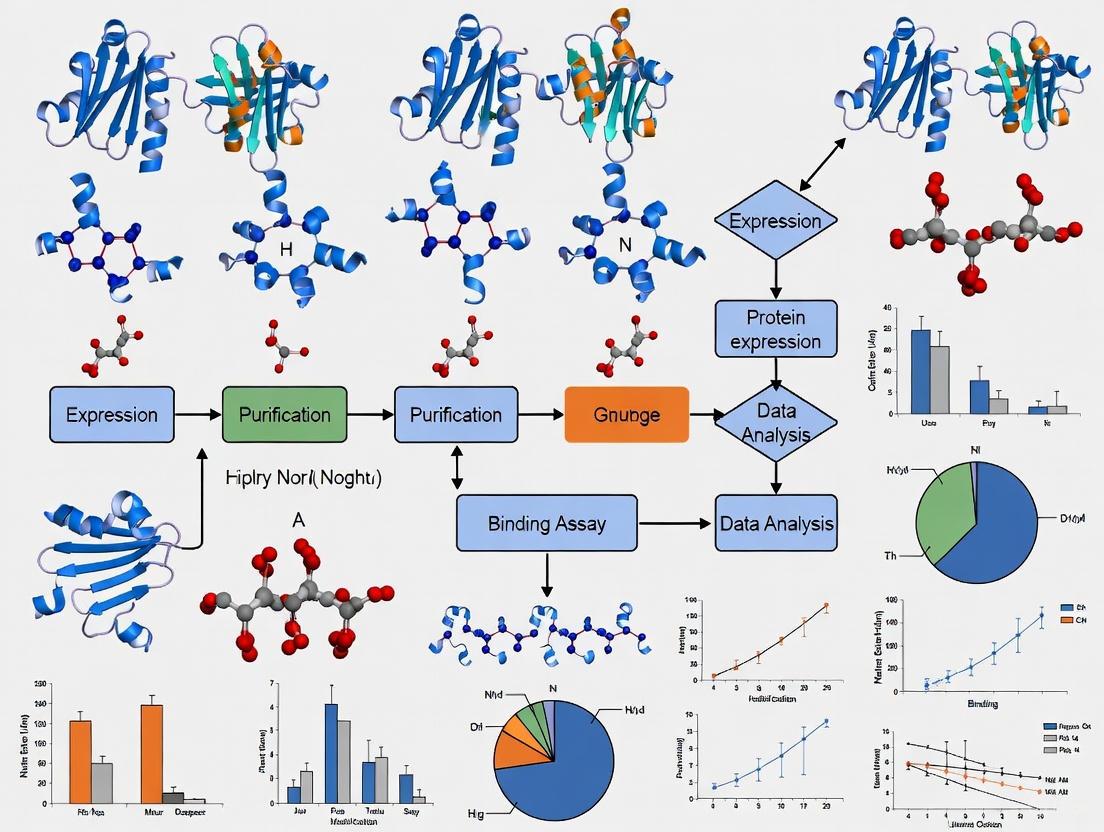
This article provides a comprehensive overview of protein-ligand interaction studies for Nucleotide-Binding Site (NBS) domains, crucial modules in proteins involved in immunity, signaling, and disease.
Decoding NBS Domain Interactions: From Structural Dynamics to Therapeutic Discovery
Abstract
This article provides a comprehensive overview of protein-ligand interaction studies for Nucleotide-Binding Site (NBS) domains, crucial modules in proteins involved in immunity, signaling, and disease. Tailored for researchers and drug development professionals, we explore the fundamental structural biology of NBS domains, detail cutting-edge computational and high-throughput methodological approaches, address common troubleshooting and optimization challenges, and outline rigorous validation and comparative analysis frameworks. By synthesizing foundational knowledge with advanced applications, this resource aims to bridge the gap between theoretical understanding and practical implementation in NBS-targeted drug discovery and functional characterization.
Unraveling NBS Domain Architecture and Ligand Recognition Principles
The nucleotide-binding site (NBS) domain represents a critical evolutionary scaffold that enables molecular recognition and immune signaling across biological kingdoms. This conserved protein module serves as a central hub for nucleotide-dependent conformational switching, facilitating defense activation in plants and inflammatory signaling in humans. In plant immunity, NBS domains form the core of nucleotide-binding leucine-rich repeat (NBS-LRR) receptors that detect pathogen effectors and initiate robust defense responses. While the structural principles of NBS domains are shared across kingdoms, their functional contexts, partner domains, and regulatory mechanisms demonstrate significant divergence. This review comprehensively compares the architectural features, signaling mechanisms, and experimental approaches for studying NBS domains in plant and human systems, providing researchers with a framework for leveraging cross-kingdom insights in therapeutic and agricultural development.
The NBS domain constitutes an ancient structural motif that has been evolutionarily tailored for specialized signaling roles in diverse biological contexts. Characterized by conserved kinase motifs that facilitate nucleotide-dependent activation, NBS domains function as molecular switches that toggle between inactive (ADP-bound) and active (ATP-bound) states to regulate downstream signaling events [1] [2]. In plants, NBS domains comprise the essential signaling core of intracellular immune receptors that directly or indirectly recognize pathogen-derived molecules, triggering effector-triggered immunity (ETI) that often includes a hypersensitive response (HR) and systemic resistance [3] [4]. The modular nature of NBS domains allows their integration with various ligand-sensing domains, creating sophisticated immune receptors capable of detecting diverse pathogenic threats through integrated decoy domains that mimic authentic effector targets [4].
Recent advances in structural biology and comparative genomics have revealed both striking conservation and notable divergence in how NBS domains are deployed across biological systems. While the fundamental nucleotide-binding function remains conserved, the regulatory mechanisms, partner domains, and downstream signaling pathways exhibit significant specialization. This review systematically compares the structural scaffolds and functional roles of NBS domains, with particular emphasis on their established functions in plant immunity and emerging roles in human disease pathways. By synthesizing findings from structural analyses, genomic studies, and functional assays, we provide researchers with a comprehensive reference for understanding NBS domain architecture and function across biological contexts.
Structural Composition and Conserved Motifs of the NBS Domain
Core Architectural Features
The NBS domain exhibits a conserved α/β fold that facilitates nucleotide binding and hydrolysis, serving as a molecular switch for immune activation. This domain typically encompasses several highly conserved motifs that coordinate nucleotide binding and hydrolysis:
- P-loop (Phosphate-binding loop): Binds the phosphate groups of ATP/GTP through glycine-rich sequences
- Kinase-2 motif: Coordinates magnesium ions and participates in nucleotide hydrolysis
- GLPL motif: Contributes to hydrophobic core stability and domain structural integrity
- RNBS motifs: Additional conserved sequences that vary across NBS subtypes [5] [1] [2]
These motifs work in concert to facilitate the nucleotide-dependent conformational changes that underpin NBS domain function. The P-loop specifically interacts with the phosphates of ATP or ADP, while the Kinase-2 and GLPL motifs help stabilize the domain structure during nucleotide exchange and hydrolysis.
Classification and Domain Architecture
NBS-containing proteins are classified based on their N-terminal domains and architectural organization:
Table 1: Classification of Major NBS-Containing Protein Families
| Classification | N-terminal Domain | Domain Organization | Representative Examples |
|---|---|---|---|
| TNL | Toll/Interleukin-1 Receptor (TIR) | TIR-NBS-LRR | Arabidopsis RPS4 [4] |
| CNL | Coiled-Coil (CC) | CC-NBS-LRR | Vernicia montana Vm019719 [2] |
| NL | None | NBS-LRR | Vernicia fordii Vf11G0978 [2] |
| RNL | RPW8-like CC | CCR-NBS-LRR | Arabidopsis NRG1/ADR1 [4] |
| NBS | None | NBS (standalone) | Various truncated forms [2] |
The integration of NBS domains with various N-terminal and C-terminal domains creates functional specialization. The C-terminal leucine-rich repeat (LRR) domains typically mediate ligand recognition and specificity, while the N-terminal domains (TIR, CC, or CCR) determine downstream signaling partnerships [4] [2]. This modular architecture allows for extensive functional diversification while maintaining the core nucleotide-dependent switching mechanism.
NBS Domains in Plant Immunity: Mechanisms and Methodologies
Signaling Mechanisms in Plant Defense
In plants, NBS-LRR receptors function as intracellular surveillance proteins that detect pathogen effectors either through direct binding or by monitoring the integrity of host proteins targeted by effectors [4]. Two established activation models include: (1) the direct recognition model, where effectors bind directly to the LRR domain, and (2) the guard model, where NBS-LRR proteins monitor ("guard") host proteins that are modified by pathogen effectors.
Upon effector recognition, NBS domains undergo nucleotide-dependent conformational changes that enable receptor oligomerization and formation of active resistosomes [4]. For TNL receptors, this leads to NADase activity that produces signaling molecules activating downstream helper NLRs. For CNL receptors, oligomerization often creates calcium-permeable channels that initiate defense signaling cascades. These signaling events culminate in transcriptional reprogramming, production of antimicrobial compounds, and in many cases, localized programmed cell death (hypersensitive response) to restrict pathogen spread [4] [2].
The following diagram illustrates the core signaling pathway of NBS-LRR activation in plant immunity:
Figure 1: NBS-LRR Activation Pathway in Plant Immunity. Pathogen-derived effectors are recognized by NBS-LRR receptors, triggering nucleotide exchange (ADP to ATP) and resistosome formation, which activates defense responses including hypersensitive response (HR).
Experimental Approaches for Plant NBS Domain Studies
Genomic Identification and Characterization: NBS domain-encoding genes are typically identified through hidden Markov model (HMM) searches using conserved NBS domain profiles against plant genomes. Following identification, phylogenetic analysis, classification, and domain architecture determination are performed [2]. For example, a comparative analysis of Vernicia species identified 90 NBS-LRR genes in susceptible V. fordii and 149 in resistant V. montana, revealing species-specific structural patterns including CC-NBS-LRR, TIR-NBS-LRR, and stand-alone NBS architectures [2].
Functional Validation through VIGS: Virus-induced gene silencing (VIGS) provides a powerful method for functional characterization of NBS domain genes. The established protocol includes:
- Amplifying a 300-500bp target gene fragment and cloning into TRV-based vectors
- Transforming Agrobacterium tumefaciens with recombinant vectors
- Infiltrating plant leaves with Agrobacterium suspensions
- Monitoring disease progression and pathogen titers in silenced plants [2]
This approach successfully demonstrated that silencing Vm019719 (a specific NBS-LRR gene) in resistant Vernicia montana compromised resistance to Fusarium wilt, confirming its essential role in disease resistance [2].
High-Throughput NBS Profiling: NBS profiling employs degenerate primers targeting conserved P-loop, Kinase-2, and GLPL motifs to amplify NBS-containing fragments from genomic DNA. This method enables large-scale characterization of NBS domain diversity across cultivars and breeding lines, facilitating marker development for resistance breeding [5]. The SolariX database exemplifies this approach, containing NBS tag sequences from 91 potato genomes representing historical and contemporary cultivars [5].
Table 2: Experimental Methods for Plant NBS Domain Research
| Method | Key Steps | Applications | Considerations |
|---|---|---|---|
| HMMER Genome Mining | 1. Domain profile creation2. Whole-genome scanning3. Phylogenetic classification | Identification of NBS gene families; Comparative genomics | Requires high-quality genome annotation; May miss atypical domains |
| VIGS Functional Analysis | 1. Target fragment cloning2. Agrobacterium transformation3. Plant infiltration4. Phenotype assessment | Functional validation; Resistance mechanism elucidation | Optimization needed for different species; Transient effect |
| NBS Profiling | 1. Degenerate primer design2. Multiplex PCR amplification3. High-throughput sequencing4. Variant calling | Population genetics; Breeding marker development | Limited to conserved motifs; Reference genome dependency |
The Scientist's Toolkit: Essential Reagents for NBS Domain Research
Table 3: Key Research Reagents for NBS Domain Investigations
| Reagent/Category | Specific Examples | Function/Application | Experimental Context |
|---|---|---|---|
| Degenerate Primers | P-loop, Kinase-2, GLPL-targeting primers [5] | Amplification of NBS domains for profiling and sequencing | NBS profiling; Diversity studies |
| VIGS Vectors | TRV1, TRV2-based vectors [2] | Transient gene silencing in plants | Functional validation of NBS-LRR genes |
| Expression Tags | TurboID, FLAG, GFP [4] | Protein localization and interactome mapping | Proximity labeling; Protein interaction studies |
| Pathogen Strains | Fusarium oxysporum, Pseudomonas syringae [2] | Disease resistance phenotyping | Functional assays for NBS-mediated immunity |
| Antibodies | Anti-FLAG, Anti-GFP [4] | Protein detection and purification | Western blotting; Immunoprecipitation |
| Mass Spectrometry | LC-MS/MS [4] | Interactome and ubiquitination profiling | Identification of post-translational modifications |
Comparative Analysis: NBS Domains Across Biological Systems
The NBS domain represents a remarkable example of evolutionary conservation and functional diversification. While the core nucleotide-binding function remains conserved across kingdoms, the regulatory mechanisms, partner domains, and biological outputs demonstrate significant specialization.
In plants, NBS domains primarily function as regulatory cores of intracellular immune receptors that directly recognize pathogen effectors or monitor host protein integrity [4] [2]. These receptors typically integrate NBS domains with various N-terminal signaling domains (TIR, CC, or CCR) and C-terminal LRR domains that mediate ligand recognition specificity. Plant NBS-LRR genes are often organized in complex clusters that undergo rapid evolution, generating diversity to counter evolving pathogen threats [5] [2].
The regulation of plant NBS-LRR receptors involves sophisticated mechanisms to balance defense activation with autoimmune suppression. Recent research has identified ubiquitination-deubiquitination cycles that control paired NLR immune receptor complex homeostasis. For example, the Arabidopsis RRS1/RPS4 complex is regulated by the E3 ligase RARE, which promotes RRS1 degradation, and deubiquitinating enzymes UBP12/UBP13, which stabilize the complex [4]. This reversible ubiquitination represents a critical regulatory mechanism for maintaining appropriate immune receptor abundance and preventing autoimmunity.
The integrated domain architecture of many plant NBS-LRR receptors illustrates how domain shuffling can create novel recognition specificities. Integration of effector targets as decoy domains enables direct pathogen recognition while co-opting pre-existing regulatory mechanisms. The WRKY domain integrated into RRS1 appears to have acquired regulatory mechanisms previously established for WRKY transcription factors, demonstrating how domain integration can transfer regulatory landscapes to novel protein contexts [4].
The structural and functional insights into NBS domains continue to provide exciting avenues for both basic research and translational applications. In agricultural contexts, comprehensive understanding of NBS domain diversity and function enables marker-assisted breeding for disease resistance and potential engineering of novel recognition specificities. The demonstrated success of transferring NBS-LRR genes between plant species to confer resistance, coupled with emerging knowledge of integrated domain functions, suggests substantial potential for creating crops with enhanced durability against evolving pathogens.
Future research directions include elucidating the structural determinants of effector recognition specificity, mapping the complete signaling networks downstream of NBS domain activation, and developing computational models to predict resistance function from sequence variation. The continued development of experimental tools—particularly in structural biology, live-cell imaging, and genome editing—will accelerate both fundamental understanding and practical applications of NBS domain research across biological systems and translational contexts.
Non-covalent interactions (NCIs) form the fundamental basis of molecular recognition in biological systems, governing the binding of ligands to protein pockets with exquisite specificity. These interactions—including hydrogen bonding, hydrophobic effects, van der Waals forces, and electrostatic attractions—collectively determine the binding affinity and kinetics of ligand-protein complexes [6]. In the context of nucleotide-binding site (NBS) domain research, understanding these forces is particularly crucial as they mediate the conformational changes and nucleotide exchange processes that underlie the molecular switching function of these proteins in plant immunity and disease resistance [7]. The binding pocket, a specifically shaped region on the protein surface formed by key amino acid arrangements, provides the unique chemical environment where these selective interactions occur [8].
Traditionally, drug discovery efforts focused predominantly on binding affinity (thermodynamic property); however, research over the past decades has revealed that kinetic properties—specifically how fast a drug associates and how long it stays bound—often correlate better with in vivo efficacy [6]. This understanding has shifted the paradigm in structure-based drug design, placing increased emphasis on characterizing the complete energy landscape of non-covalent binding processes. For NBS-LRR proteins, which represent one of the largest disease resistance gene families in plants with over 400 members in some species, understanding these interactions provides insights into pathogen recognition mechanisms and potential engineering strategies for enhanced crop protection [7].
Fundamental Non-Covalent Interaction Types in Ligand Binding
Primary Interaction Forces and Their Characteristics
Non-covalent binding results from a complex interplay of several physical forces that collectively determine the specificity and strength of ligand-pocket interactions. The table below summarizes the key interaction types, their energy ranges, and their characteristic distances.
Table 1: Fundamental Non-Covalent Interactions in Ligand Binding Pockets
| Interaction Type | Energy Range (kcal/mol) | Characteristic Distance | Role in Binding | Directionality |
|---|---|---|---|---|
| Hydrogen Bonds | -1 to -5 | 2.7-3.3 Å | Determines specificity and orientation | High |
| Van der Waals | -0.5 to -1 | 3.3-4.0 Å | Provides contact surface complementarity | Low |
| Hydrophobic Effects | -0.1 to -0.5 per Ų | N/A | Drives burial of non-polar surfaces | None |
| π-π Stacking | -2 to -4 | 3.3-3.8 Å | Stabilizes aromatic ring interactions | Moderate |
| Electrostatic | -1 to -5+ | Distance-dependent | Strong charge-based attractions | Moderate |
The binding process can be conceptually simplified using a two-state model: R + L RL, where the association (kon) and dissociation (koff) rate constants relate to the equilibrium constant (Keq) and binding free energy (ΔG) [6]. In reality, however, the binding energy landscape is considerably more complex, featuring multiple intermediate states and small barriers that can be overcome by thermal fluctuations [6].
Complementary Nature of Binding Forces
The remarkable specificity of ligand binding emerges from the complementary arrangement of these interaction types within the binding pocket. The size, shape, and chemical environment of the pocket collectively determine which ligands can effectively bind [8]. For instance, hydrogen bonds typically provide directional constraints that precisely orient the ligand, while hydrophobic interactions create a driving force for binding through the sequestration of non-polar surfaces from aqueous solvent [9]. Cation-π interactions, where the face of an electron-rich π-system interacts with a positively charged ion, contribute significantly to binding energy in many protein-ligand complexes [10].
The composition of binding pockets exhibits distinct patterns compared to other protein surface regions. Analysis of thousands of protein-ligand complexes has revealed that certain residues are over-represented in biologically relevant binding sites, creating environments optimized for specific interaction types [9]. This compositional bias reflects evolutionary optimization for functional ligand binding rather than random surface properties.
Figure 1: Network of Non-Covalent Forces in Ligand Binding. This diagram illustrates how different interaction types collectively contribute to binding specificity and affinity through both direct and indirect mechanisms.
Computational Methodologies for Analyzing Binding Interactions
Molecular Dynamics and Enhanced Sampling Techniques
Conventional molecular dynamics (MD) simulations provide an atomistic description of molecular systems, evolving atomic coordinates under the governance of classical mechanics with typical force fields including harmonic bond terms, cosine dihedral torsion, Lennard-Jones van der Waals, and Coulombic electrostatic terms [6]. However, drug-protein binding/unbinding events often involve conformational changes occurring on microsecond to second timescales, presenting significant challenges for conventional MD due to contemporary computational limitations [6].
To address these timescale limitations, researchers have developed enhanced sampling methods that include meta-dynamics, replica-exchange MD, and accelerated MD. These approaches allow more efficient exploration of the free energy landscape associated with binding processes. Brownian dynamics simulations complement these methods by enabling the study of association processes and the calculation of association rate constants [6]. The combination of these techniques provides insights into both the thermodynamic and kinetic aspects of ligand binding, which is particularly important given that residence time (τ = 1/koff) often correlates better with drug efficacy than binding affinity alone [6].
Quantum Mechanical and Machine Learning Approaches
Quantum mechanical (QM) methods offer the highest theoretical accuracy for describing NCIs but at substantially greater computational cost. Recent advances have established robust QM benchmarks for ligand-pocket systems through the "QUID" (QUantum Interacting Dimer) framework, which contains 170 non-covalent systems modeling chemically and structurally diverse ligand-pocket motifs [10]. These benchmarks achieve remarkable agreement (0.5 kcal/mol) between coupled cluster and quantum Monte Carlo methods, providing a "platinum standard" for evaluating more approximate methods.
Machine learning has revolutionized binding site prediction and interaction analysis. Methods like LABind utilize graph transformers and cross-attention mechanisms to learn distinct binding characteristics between proteins and ligands in a ligand-aware manner [11]. IF-SitePred demonstrates how protein language model embeddings (ESM-IF1) can be effectively leveraged for accurate small molecule binding site prediction on both experimental and predicted protein structures [12]. These approaches learn underlying patterns from large datasets that are difficult to capture with physics-based approximations alone.
Table 2: Computational Methods for Analyzing Non-Covalent Interactions
| Method Category | Key Methods | Applications | Limitations |
|---|---|---|---|
| Molecular Dynamics | Conventional MD, Enhanced Sampling | Binding pathways, conformational changes | Timescale limitations, force field accuracy |
| Quantum Mechanics | DFT, Coupled Cluster, QMC | Accurate interaction energies, electronic properties | System size constraints, computational cost |
| Machine Learning | Graph Neural Networks, Language Models | Binding site prediction, affinity estimation | Training data dependence, interpretability |
| Structure-Based | FPocket, FTSite, DoGSite3 | Binding pocket detection, characterization | Limited to available structures |
Experimental Analysis of Binding Pocket Composition
Large-Scale Binding Site Analysis
Comprehensive analysis of binding pocket composition provides critical insights into the general principles governing molecular recognition. A landmark study analyzing 3,295 non-redundant proteins with 9,114 non-redundant binding sites revealed significant differences between biologically relevant ("valid") binding sites and regions binding non-functional small molecules ("invalids") from crystallization media [9]. This large-scale analysis established that true binding sites possess unique compositional patterns distinct from both the general protein surface and random surface patches that attract common small molecules.
The methodology for such analyses typically involves defining binding sites as protein residues with at least one non-hydrogen atom within 4.0 Å of a ligand's non-hydrogen atom [9]. Residue interactions are classified as side chain or backbone-only, with glycine residues representing a special case. Solvent accessibility calculations using programs like NACCESS determine surface residues by rolling a water-sized probe across the protein's van der Waals surface [9]. This approach enables quantitative comparison between binding sites and non-binding surface regions.
Residue Propensity and Compositional Trends
Statistical analysis of residue propensities in binding sites reveals clear patterns of amino acid preference. Biologically relevant binding sites show distinct enrichment of certain residues compared to both the general protein surface and sites binding non-functional small molecules. These trends reflect evolutionary optimization for specific interaction types and highlight the importance of considering biological relevance when analyzing binding site composition.
The robustness of these propensity trends varies with dataset size, with stable patterns emerging only after analyzing thousands of binding sites. This underscores the importance of large, curated datasets like Binding MOAD for establishing general principles of binding site composition [9]. The compositional trends provide valuable heuristics for functional site prediction in proteins of unknown function, particularly those emerging from structural genomics initiatives.
Special Considerations for NBS Domain Proteins
NBS-LRR Architecture and Ligand Binding
Nucleotide-binding site (NBS) domains form the core of one of the largest resistance (R) protein families in plants, known as NBS-LRR proteins [7]. These proteins are characterized by a tripartite domain architecture consisting of a variable amino-terminal domain (TIR or CC), a central NBS domain, and a leucine-rich repeat (LRR) region at the carboxy-terminus [7]. The NBS domain contains several conserved motifs characteristic of the STAND family of ATPases, which function as molecular switches through specific ATP binding and hydrolysis [7].
The NBS domain itself represents a specialized ligand binding pocket optimized for nucleotide interactions. Structural and functional studies reveal that the NBS domain undergoes conformational changes upon nucleotide exchange and hydrolysis, which in turn regulates signaling activity [7]. This molecular switching mechanism underpins the function of NBS-LRR proteins in pathogen detection and immune activation. Understanding the non-covalent forces governing nucleotide binding to the NBS domain is therefore crucial for elucidating the mechanism of plant disease resistance.
Evolutionary Diversity and Structural Plasticity
NBS domain genes represent one of the largest and most diverse gene families in plants, with approximately 150 members in Arabidopsis thaliana and over 400 in Oryza sativa [1] [7]. Recent comparative analysis identified 12,820 NBS-domain-containing genes across 34 plant species, classified into 168 classes with numerous novel domain architectures [1]. This tremendous diversity reflects rapid evolution and adaptation to diverse pathogen challenges.
The LRR region of NBS-LRR proteins deserves special attention regarding ligand interactions. With an average of 14 LRRs per protein and often 5-10 sequence variants for each repeat, the potential for combinatorial variation is enormous—well over 9×10¹¹ variants in Arabidopsis alone [7]. This diversity creates a highly variable putative binding surface, with diversifying selection maintaining variation in the solvent-exposed residues of the β-sheets [7]. The structural plasticity of this region enables recognition of diverse pathogen effectors through direct or indirect mechanisms.
Figure 2: NBS Domain Protein Architecture and Ligand Interactions. This diagram illustrates the domain structure of NBS-LRR proteins and their interactions with various ligands, highlighting the central role of the NBS domain in nucleotide binding and signal transduction.
Emerging Technologies and Future Directions
Advanced Computational Frameworks
The field of protein-ligand interaction analysis is rapidly evolving with several emerging technologies promising enhanced accuracy and efficiency. The QUID benchmark framework represents a significant advancement by providing highly accurate interaction energies for diverse ligand-pocket motifs [10]. This enables rigorous evaluation of computational methods and supports the development of more reliable force fields and scoring functions.
Machine learning approaches continue to advance, with methods like LABind demonstrating the ability to predict binding sites for unseen ligands by explicitly learning ligand representations [11]. These models utilize pre-trained language models for both proteins (Ankh) and ligands (MolFormer), capturing binding patterns through cross-attention mechanisms [11]. This ligand-aware prediction represents a significant improvement over methods that rely solely on protein structure.
Integration of Experimental and Computational Data
Future progress in understanding non-covalent forces will increasingly depend on the integration of experimental and computational data. Structural genomics initiatives provide a growing resource of protein structures, while binding affinity databases offer experimental data for validation and benchmarking. The critical assessment of structure prediction (CASP) and similar community-wide efforts ensure rigorous evaluation of new methods [12].
For NBS domain research, emerging opportunities include leveraging the natural diversity of NBS-LRR proteins to understand sequence-structure-function relationships, and applying advanced simulations to elucidate the conformational dynamics of nucleotide binding and exchange. The combination of evolutionary analysis, structural characterization, and computational modeling will continue to reveal the fundamental principles governing non-covalent interactions in biological systems.
Research Reagent Solutions Toolkit
Table 3: Essential Research Reagents and Computational Tools for Studying Non-Covalent Interactions
| Tool/Reagent | Type | Primary Function | Application Examples |
|---|---|---|---|
| Binding MOAD Database | Database | Curated protein-ligand complexes | Binding site composition analysis [9] |
| FPocket | Software | Binding pocket detection | Geometry-based pocket identification [12] |
| ESM-IF1 | Language Model | Protein structure embeddings | Binding site prediction [12] |
| LABind | Software | Ligand-aware binding site prediction | Cross-attention based binding site detection [11] |
| QUID Dataset | Benchmark | Non-covalent interaction energies | QM method validation [10] |
| NACCESS | Software | Solvent accessibility calculation | Surface residue identification [9] |
| AutoSite | Software | Binding site prediction | Performance evaluation on predicted structures [12] |
| AlphaFill | Software | Ligand transplantation | Adding putative ligands to predicted structures [12] |
Nucleotide-binding site (NBS) domains form the essential core of one of the largest and most versatile protein families in plant innate immunity—the NBS-leucine-rich repeat (NBS-LRR) proteins. These proteins, also classified as NLRs (NOD-like receptors), function as intracellular immune receptors that detect pathogen effectors and initiate robust defense responses [7]. The NBS domain itself serves as a molecular switch that alternates between ADP-bound (inactive) and ATP-bound (active) states, regulating downstream signaling cascades that often culminate in programmed cell death to restrict pathogen spread [13] [7]. This conserved signaling mechanism parallels those found in mammalian STAND (Signal Transduction ATPases with Numerous Domains) proteins, highlighting deep evolutionary origins [7].
Understanding the evolutionary dynamics of NBS domains requires investigating both their structural conservation and lineage-specific diversification. These domains have expanded into massive gene families through various evolutionary mechanisms, with significant implications for pathogen recognition capabilities across plant species. This review synthesizes comparative genomic analyses to elucidate patterns of NBS domain evolution, providing a framework for leveraging natural variation in crop improvement strategies and protein-ligand interaction studies.
Comparative Genomic Analysis of NBS Domain Distribution
Quantitative Distribution Across Plant Lineages
Recent pan-genomic studies have revealed remarkable variation in NBS gene family sizes across the plant kingdom. A 2024 analysis of 34 plant species identified 12,820 NBS-domain-containing genes, classifying them into 168 distinct architectural classes that encompass both canonical and species-specific structural configurations [14] [1]. The distribution patterns reflect complex evolutionary histories involving both expansion and contraction events in different lineages.
Table 1: NBS Gene Distribution Across Representative Plant Species
| Plant Species | Genome Type | Total NBS Genes | TNL Subfamily | nTNL/CNL Subfamily | Reference |
|---|---|---|---|---|---|
| Arabidopsis thaliana | Dicot | ~150 | ~62 | ~88 | [7] |
| Oryza sativa (rice) | Monocot | >400 | 0 (absent) | >400 | [7] |
| Capsicum annuum (pepper) | Dicot | 252 | 4 | 248 | [15] |
| Nicotiana benthamiana (tobacco) | Dicot | 156 | 5 | 151 | [16] |
| Arachis hypogaea (peanut) | Allotetraploid | 713 | 229 | 484 | [17] |
| Arachis duranensis | Diploid progenitor | 278 | Not specified | Not specified | [17] |
| Arachis ipaensis | Diploid progenitor | 303 | Not specified | Not specified | [17] |
The distribution of NBS genes follows several key evolutionary trends. First, a clear disparity exists between monocots and dicots regarding TNL representation. While dicots generally maintain both TNL and CNL subfamilies, cereal monocots like rice have completely lost TNL genes [15] [7]. Second, allopolyploid species often exhibit non-additive gene numbers compared to their diploid progenitors, as evidenced by the case of cultivated peanut (A. hypogaea), which possesses 713 NBS-LRRs compared to 278 and 303 in its diploid ancestors [17]. Third, NBS genes are frequently organized in genomic clusters resulting from tandem duplications; in pepper, 54% of NBS-LRR genes form 47 clusters across all chromosomes [15].
Structural Diversification of NBS Domain Architectures
The NBS domain rarely functions in isolation, with its functional properties shaped by associated domains that form distinct architectural classes. Beyond the canonical TIR-NBS-LRR (TNL) and CC-NBS-LRR (CNL) configurations, researchers have identified numerous atypical configurations that provide insights into evolutionary innovation.
Table 2: Conserved Motifs within NBS Domains and Their Functional Roles
| Conserved Motif | Location in NBS | Function | Consensus Sequence |
|---|---|---|---|
| P-loop (kin1) | N-terminal | ATP/GTP binding and hydrolysis | GxGKT/S [15] [18] |
| RNBS-A | - | Subfamily-specific signaling | Multiple variants [18] |
| Kinase-2 | Central | Nucleotide binding | LVLDDVW [15] [18] |
| RNBS-B | - | Defense signaling | Not specified |
| RNBS-C | - | Defense signaling | Not specified |
| GLPL | C-terminal | Structural stability | GLPLx [15] [18] |
The 2024 comparative analysis revealed several species-specific structural patterns, including TIR-NBS-TIR-Cupin1-Cupin1, TIR-NBS-Prenyltransf, and Sugar_tr-NBS architectures [14]. These unusual configurations suggest evolutionary experimentation with domain combinations, potentially creating new functional capabilities. In peanut, researchers documented 26 NBS-LRR proteins containing both TIR and CC domains—a combination absent from its diploid progenitors, suggesting that genetic exchange events following polyploidization created novel configurations [17]. Similarly, NBS-WRKY fusion proteins identified in legumes may represent adaptations that directly connect pathogen recognition with transcriptional reprogramming [17].
Evolutionary Mechanisms Driving NBS Domain Diversification
Gene Duplication and Selection Pressures
The remarkable expansion of NBS gene families primarily results from repeated duplication events followed by differential selection pressures acting on various protein domains. Two primary duplication mechanisms drive this expansion: tandem duplications, which generate genomic clusters, and segmental duplications, which distribute paralogs across different chromosomal regions [7]. The evolutionary trajectory of duplicated genes follows two distinct patterns: Type I genes evolve rapidly with frequent gene conversions, while Type II genes evolve slowly with rare gene conversion events [13].
Different domains within NBS-LRR proteins experience contrasting selective pressures. The NBS domain itself is typically under purifying selection, maintaining conserved motifs essential for nucleotide binding and hydrolysis [18] [7]. In contrast, the LRR domain experiences diversifying selection or relaxed selective constraints, particularly in solvent-exposed residues that directly interact with pathogen effectors [17]. This differential selection creates a functional optimization where conserved signaling capabilities are maintained while recognition specificities diversify.
Analysis of non-synonymous (Ka) to synonymous (Ks) substitution ratios in pepper NBS-LRR genes revealed that purifying selection dominates their evolutionary processes, suggesting strong functional constraints on core biochemical activities [18]. However, certain amino acid positions, particularly in the LRR domain, show signatures of positive selection, indicating adaptive evolution in response to changing pathogen pressures [18].
Regulatory Innovation: miRNA-Mediated Control of NBS Expression
Beyond sequence diversification, plants have evolved sophisticated regulatory mechanisms to manage the potential autoimmunity risks associated with large NBS-LRR repertoires. Multiple miRNA families target NBS-LRR genes for post-transcriptional regulation, creating an evolutionary balance between recognition capacity and cellular cost [13].
The miR482/2118 superfamily represents a conserved regulatory system that targets the P-loop motif encoded in NBS-LRR transcripts [13]. This clever regulatory strategy allows a single miRNA family to target multiple NBS-LRR genes by focusing on a conserved, essential motif. These miRNAs typically target highly duplicated NBS-LRRs while sparing more heterogeneous family members, suggesting a precision tool for managing the expression of expansive gene families [13].
Evolutionary analyses indicate that duplicated NBS-LRRs periodically give birth to new miRNAs through inverted duplication of target gene sequences [13]. Most of these newly emerged miRNAs converge on targeting the same conserved encoded motifs, particularly the P-loop, demonstrating convergent evolution in regulatory mechanisms [13]. This co-evolutionary arms race between NBS-LRR genes and their regulatory miRNAs represents a sophisticated mechanism for maintaining large defense repertoires while minimizing fitness costs [13] [14].
Experimental Approaches for Studying NBS Domain Evolution and Function
Genomic Identification and Classification Protocols
The identification and characterization of NBS domain genes rely on complementary bioinformatic and experimental approaches. Below is a standardized workflow for comprehensive NBS gene annotation:
Step 1: Sequence Identification
- Perform HMMER searches against the target genome using the NB-ARC domain (PF00931) as a query with a stringent E-value cutoff (typically < 1e-20) [16] [17]
- Confirm identified sequences through PfamScan and SMART database analyses to verify domain architecture [16]
- Extract full-length coding sequences while removing pseudogenes with premature stop codons [18] [17]
Step 2: Domain Architecture Classification
- Use Pfam and COILS algorithms to identify CC, TIR, and LRR domains [15]
- Classify genes into subfamilies (TNL, CNL, NL, TN, CN, N) based on domain composition [16]
- Identify atypical domain combinations and species-specific architectural patterns [14]
Step 3: Phylogenetic and Evolutionary Analysis
- Perform multiple sequence alignment of NBS domains using ClustalW or MAFFT [16] [18]
- Construct phylogenetic trees using maximum likelihood methods with bootstrap validation [16]
- Calculate non-synonymous (Ka) and synonymous (Ks) substitution ratios to detect selection pressures [18]
Figure 1: Experimental workflow for genome-wide identification and evolutionary analysis of NBS domain genes
Functional Validation Techniques
Several established experimental approaches enable functional characterization of NBS domains and their role in disease resistance:
Expression Profiling Under Stress Conditions
- Analyze transcriptomic data (RNA-seq) from plants exposed to biotic (fungal, bacterial, viral) and abiotic (drought, salinity) stresses [14]
- Compare expression patterns in resistant versus susceptible genotypes to identify candidate R genes [14]
- Validate expression through qRT-PCR with hormone treatments (salicylic acid, abscisic acid) [18]
Genetic Variation Studies
- Sequence NBS genes from multiple accessions with contrasting disease resistance phenotypes [14]
- Identify unique variants (SNPs, indels) associated with resistance traits [14]
- Develop molecular markers for marker-assisted breeding [18]
Functional Genetics Approaches
- Implement Virus-Induced Gene Silencing (VIGS) to knock down candidate NBS genes and assess loss of resistance [14] [16]
- Conduct protein-ligand interaction studies through yeast two-hybrid or co-immunoprecipitation assays [14]
- Analyze protein-protein interactions with pathogen effectors and downstream signaling components [14]
Table 3: Key Research Reagents and Resources for NBS Domain Studies
| Reagent/Resource | Specific Example | Application in NBS Research | Function |
|---|---|---|---|
| HMM Profile | NB-ARC (PF00931) | Identification of NBS domains in genomic sequences | Provides conserved domain model for sequence searches |
| Degenerate Primers | P-loop/GLPL targets | Amplification of NBS-LRR analogs from various species | Enables PCR-based discovery of R genes without full genome sequences |
| miRNA Inhibitors | Anti-miR482 | Functional studies of miRNA-NBS regulatory networks | Blocks miRNA activity to study effects on NBS-LRR expression |
| VIGS Vectors | TRV-based systems | Rapid functional validation of NBS gene candidates | Silences target genes to assess role in disease resistance |
| Antibody Libraries | Anti-NBS domain | Protein expression and localization studies | Detects NBS protein accumulation and subcellular localization |
| Expression Databases | IPF database, CottonFGD | Expression pattern analysis across tissues and stresses | Provides transcriptomic data for expression profiling |
The evolutionary history of NBS domains reveals a dynamic balance between conservation and diversification. The conserved NBS core maintains essential nucleotide-binding and hydrolysis functions across plant lineages, while variable LRR domains and regulatory mechanisms enable pathogen recognition specificity and expression control. These evolutionary patterns provide valuable insights for crop improvement strategies.
First, the presence of young NBS-LRR genes in cultivated species like peanut and cotton suggests that recent duplications contribute to disease resistance traits, highlighting potential targets for breeding programs [14] [17]. Second, the differential loss of LRR domains in polyploids may explain reduced disease resistance in some crops, guiding efforts to introgress specific domains from wild relatives [17]. Finally, the conserved nature of miRNA regulatory networks across species enables translational approaches where knowledge from model systems can be applied to crop species.
Understanding the protein-ligand interactions that govern NBS domain function—particularly their nucleotide binding specificities and conformational changes during activation—provides a foundation for engineering synthetic NBS domains with novel recognition capabilities. As structural biology techniques advance, the detailed mechanistic insights from NBS domain studies will undoubtedly inform broader protein engineering efforts across both plant and animal systems.
For decades, structural biology has provided exquisite static snapshots of proteins, offering foundational insights into their molecular architecture. However, these static structures often fail to capture the inherent dynamism essential for protein function. This is particularly true for Nucleotide-Binding Sites (NBS), domains that have evolved not as rigid locks, but as flexible, adaptable structures capable of sophisticated conformational changes. The study of NBS conformational plasticity represents a paradigm shift in molecular biology, moving beyond static structures to understand protein function as a dynamic system. This plasticity—the ability of NBS domains to sample multiple conformational states—is fundamental to their role in molecular recognition, allosteric regulation, and catalytic efficiency across diverse protein families, including ATP-binding cassette (ABC) transporters and G protein-coupled receptors (GPCRs).
Recent advances in structural and biophysical techniques have begun to illuminate how these dynamic transitions govern biological function. This guide explores the experimental evidence demonstrating that NBS domains utilize conformational plasticity as a functional mechanism, comparing key findings from different protein systems and the methodologies that enabled these discoveries.
Experimental Evidence of NBS Conformational Plasticity
Conformational Spectrum Narrowing in a Multidrug ABC Transporter
The Bacillus subtilis efflux pump BmrA, a homodimeric multidrug ABC transporter, provides a compelling example of functional plasticity. Recent cryoEM and biochemical studies have revealed that BmrA does not simply toggle between discrete inward-facing (IF) and outward-facing (OF) states. Instead, it explores a broad conformational spectrum that is modulated by ligand binding [19].
A pivotal finding demonstrates that binding of substrates like Rhodamine6G (R6G) or Hœchst33342 fundamentally alters the ATP-binding behavior of BmrA's identical NBS domains. In the apo state, BmrA exhibits Michaelian (hyperbolic) ATP-binding kinetics (Kd-app = 154.0 µM ± 49.0). However, pre-binding of R6G shifts this to cooperative binding (sigmoidal kinetics with K0.5 = 70.0 µM ± 2.6, Hill coefficient h = 3.4 ± 0.3), indicating communication between the two NBS domains that is triggered by drug binding [19].
Table 1: Kinetic Parameters of BmrA ATP Binding Under Different Ligand Conditions
| Condition | Binding Kinetics | Dissociation Constant (Kd-app/K₀.₅) | Hill Coefficient (h) | Structural Population Shift |
|---|---|---|---|---|
| Apo BmrA | Michaelian (Hyperbolic) | 154.0 µM ± 49.0 | ~1 (non-cooperative) | Gradual IF→OF transition |
| BmrA + R6G | Cooperative (Sigmoidal) | 70.0 µM ± 2.6 | 3.4 ± 0.3 | Abrupt transition; 25% OF at 1:1 ATP:BmrA ratio |
This kinetic shift has structural correlates. Analysis of continuous heterogeneity within cryoEM data revealed that drug binding narrows the conformational spectrum explored by the NBS domains, focusing the structural ensemble toward more productive states. This "conformational focusing" enhances transport efficiency, as wild-type BmrA shows maximal ATPase stimulation and transport activity precisely at the concentration range where this cooperative transition occurs [19].
Dynamic Interactions in GPCR N-Terminal Domains
In GPCRs, the extracellular N-terminal domains often contain structural elements critical for ligand recognition. Research on the CXC chemokine receptor 1 (CXCR1) reveals striking parallels in NBS conformational plasticity. The N-terminal domain of CXCR1 is intrinsically disordered in the apo state, exhibiting remarkable conformational heterogeneity [20].
Microsecond-scale coarse-grain molecular dynamics simulations, complemented by atomistic models and NMR chemical shift predictions, demonstrate that this domain samples multiple orientations—alternating between membrane-bound and receptor-contacted conformers. This inherent disorder serves a functional purpose: upon binding its cognate chemokine interleukin-8 (IL8), the N-terminal domain undergoes conformational restriction, adopting a more defined C-shaped "claw-like" structure that engages the ligand [20].
Table 2: Comparison of NBS Conformational Plasticity Across Protein Families
| Protein System | Domain/Region | Apo State Dynamics | Ligand-Bound State | Functional Impact |
|---|---|---|---|---|
| BmrA (ABC Transporter) | Nucleotide-Binding Domains | Broad conformational spectrum | Narrowed spectrum, cooperative NBS communication | Enhanced ATPase/transport coupling |
| CXCR1 (GPCR) | N-terminal domain | Intrinsically disordered, highly flexible | Restricted dynamics, C-shaped conformation | High-affinity ligand binding |
| SBPs (ABC Importers) | Entire SBP structure | Intrinsic conformational changes | Multiple closed states, not a unique conformation | Transport competence determination |
Notably, the CXCR1-IL8 complex remains dynamic, forming an extensive but "slippery" interface. This challenges the conventional view that chemical shift perturbation in NMR necessarily reports residue-specific contacts in such dynamic complexes, highlighting the need for complementary approaches like molecular dynamics simulations [20].
Diversity of Plasticity in Substrate-Binding Proteins
ABC importers utilize substrate-binding proteins (SBPs) that undergo hinge-bending motions upon ligand binding. Single-molecule FRET (smFRET) studies of six different SBPs (PsaA, MalE, OppA, SBD1, SBD2, and OpuAC) have revealed an unexpected diversity of conformational plasticity [21].
Contrary to the traditional model suggesting a single closed conformation activates transport, smFRET demonstrates that transported (cognate) ligands trigger a range of closed conformations that are all "translocation competent." Certain non-transported (non-cognate) ligands either leave the SBP structure largely unaltered or trigger distinct, non-productive conformations. In some cases, similar SBP conformations are formed by both transported and non-transported ligands, with transport specificity determined by the kinetics of SBP opening or direct selection by the translocator [21].
This diversity illustrates that there is no universal mechanism coupling ligand binding to transport. Instead, different SBPs have evolved distinct dynamic strategies to achieve specificity, influenced by their structural class and hinge region architecture.
Methodologies for Studying NBS Conformational Plasticity
Key Experimental Protocols
Investigating dynamic protein systems requires methodologies that capture both structural and temporal information. The following protocols represent cornerstone approaches for studying NBS conformational plasticity:
1. CryoEM with Continuous Heterogeneity Analysis
- Purpose: To visualize multiple conformational states within a single sample and analyze transitions between them.
- Procedure: Grids are frozen at defined ligand ratios (e.g., varying ATP:protein concentrations). Massive particle datasets are collected and subjected to 3D classification. Continuous heterogeneity analysis using specialized software (e.g., 3D variability in CryoSPARC) reveals the conformational landscape.
- Application: Used to demonstrate BmrA's conformational spectrum narrowing upon drug binding [19].
2. Single-Molecule FRET (smFRET)
- Purpose: To monitor conformational dynamics and heterogeneity in real-time, free from ensemble averaging.
- Procedure: Surface-exposed, non-conserved residues on different protein lobes are labeled with donor and acceptor fluorophores. Proteins are immobilized or freely diffusing, and FRET efficiency is monitored over time, reporting on inter-lobe distances.
- Application: Revealed multiple translocation-competent conformations in SBPs and their dynamics [21].
3. Coarse-Grain Molecular Dynamics Simulations
- Purpose: To model conformational dynamics over microsecond timescales, inaccessible to atomistic simulations.
- Procedure: A reduced-representation model (multiple atoms per bead) of the protein-membrane system is simulated, enabling longer timescales. Results are validated with atomistic simulations and experimental data like NMR chemical shifts.
- Application: Demonstrated conformational restriction of CXCR1 N-terminal domain upon IL8 binding [20].
4. Structural Enzymology Approach
- Purpose: To correlate structural states with functional parameters like binding kinetics.
- Procedure: Combines enzymatic assays (e.g., ATP-binding curves) with structural biology techniques. Samples for cryoEM are prepared at key points along the enzymatic transition (e.g., K0.5, saturating concentration).
- Application: Linked BmrA's cooperative ATP-binding to its population shift from IF to OF states [19].
The Scientist's Toolkit: Essential Research Reagents
Table 3: Key Reagents for Studying NBS Conformational Plasticity
| Reagent/Resource | Function/Application | Example Use Case |
|---|---|---|
| Catalytic Inactive Mutants | Traps intermediates for structural study | BmrA E504A mutant to capture OF state [19] |
| Environment-Sensitive Fluorophores | Report on local conformational changes | Tryptophan fluorescence for ATP-binding kinetics [19] |
| smFRET Dye Pairs | Monitor distance changes in single proteins | Cy3-Cy5 pair for SBP lobe movements [21] |
| Cooperative Ligands | Induce allosteric transitions in NBS domains | Rhodamine6G in BmrA studies [19] |
| Membrane Mimetics | Maintain native-like environment for membrane proteins | Lipid nanodiscs or bilayers for MD simulations [20] |
| Heterogeneity Analysis Software | Extract continuous conformational changes from cryoEM data | 3D variability analysis to map BmrA's conformational spectrum [19] |
Integrated Workflow and Allosteric Communication
The experimental approaches for studying NBS conformational plasticity form an integrated workflow that connects structural states with functional outcomes. The following diagram illustrates this multi-technique strategy and the allosteric communication it reveals:
The paradigm shift from static structures to dynamic systems in NBS research has profound implications. Understanding conformational plasticity provides new avenues for therapeutic intervention, particularly for targeting multidrug resistance and designing allosteric modulators. The evidence across diverse protein systems reveals that conformational plasticity is not merely a structural curiosity but a fundamental functional mechanism enabling allosteric regulation, polyspecificity, and efficient energy transduction in NBS-containing proteins.
Future research will likely focus on predicting and manipulating conformational landscapes for therapeutic and biotechnological applications. As methods for analyzing structural heterogeneity continue to advance, our understanding of how NBS domains exploit dynamics for function will grow richer, potentially enabling the rational design of proteins with customized dynamic properties.
Advanced Techniques for Probing and Exploiting NBS-Ligand Interactions
Nuclear receptors (NRs) are a family of transcription factors that regulate genes controlling crucial physiological processes, including development, metabolism, and reproduction [22]. Their function is exquisitely tuned by ligand-induced conformational changes, where the binding of a small molecule can dramatically alter the receptor's structural dynamics and, consequently, its transcriptional output [23]. Understanding this relationship is critical in drug discovery, as nuclear receptors are targets for a wide spectrum of therapeutics [24].
Molecular dynamics (MD) simulations have emerged as an indispensable "computational microscope," providing an atomic-level view of proteins and revealing fluctuations that are challenging to observe with static experimental methods [22]. For researchers studying protein-ligand interactions, particularly within nucleotide-binding site (NBS) domains, MD simulations bridge the gap between a single protein structure and the dynamic ensemble of conformations that govern its biological function. This guide compares the leading MD software powerhouses, enabling scientists to select the optimal tool for tracking how ligands shift conformational ensembles to achieve functional outcomes.
Comparative Analysis of Major MD Software
The choice of MD software is pivotal for the efficiency and scope of a research project. Below, we compare the performance, strengths, and optimal use cases for four leading MD packages widely used in the study of biomolecular dynamics.
Table 1: Key Software for Molecular Dynamics Simulations
| Software | Primary Strengths | GPU Support & Performance | Licensing | Typical Use Cases in Protein-Ligand Studies |
|---|---|---|---|---|
| GROMACS | Extremely high performance, excellent parallel scaling, extensive analysis tools [25] | Full GPU offload, excellent multi-GPU scaling; NVIDIA RTX 4090 is a top performer [26] | Free, Open Source (GPL/LGPL) [27] | High-throughput screening, long-timescale protein folding, ligand binding/unbinding studies [25] |
| AMBER | Highly optimized for biomolecules, superior free energy calculations, well-validated force fields [25] | Highly optimized CUDA version (pmemd.cuda); NVIDIA RTX 6000 Ada ideal for large systems [26] | AmberTools (Free), Full PMEMD (Paid license) [25] | Binding affinity prediction (MM/PBSA, MM/GBSA), detailed analysis of ligand interactions with NBS domains [22] |
| NAMD | Excellent for large, complex systems (e.g., membrane proteins), strong scalability [25] | Excellent GPU acceleration; performs well on NVIDIA RTX 4090 and RTX 6000 Ada [26] | Free for academic use [27] | Large complexes (e.g., nuclear receptors with DNA & co-regulators), systems embedded in lipid bilayers [28] |
| CHARMM | Versatile, extensive feature set, scriptable, strong foundation in method development [25] | Primarily CPU-based, some GPU support for kernels; less optimized than others [25] | Proprietary (free academic license) [27] | Novel simulation methodologies, custom simulation protocols, studies using CHARMM force fields [25] |
Performance and Hardware Considerations
Selecting the right hardware is as critical as choosing the software. Performance benchmarks indicate that for most MD codes, prioritizing processor clock speed is often more beneficial than maximizing core count [26]. However, the most significant performance gains come from leveraging powerful GPUs.
- AMBER: Its
pmemd.cudaengine is exceptionally well-optimized for a single GPU. For large-scale simulations, the NVIDIA RTX 6000 Ada with 48 GB of VRAM is ideal, whereas the RTX 4090 offers a cost-effective balance for smaller systems [26]. - GROMACS: This software benefits from high GPU throughput and scales efficiently across multiple GPUs. The NVIDIA RTX 4090, with its high CUDA core count, is an excellent choice for accelerating GROMACS simulations [26].
- NAMD: Also highly optimized for NVIDIA GPUs, it can efficiently distribute computation across multiple GPUs in a single node, making setups with 2-4 GPUs highly effective [26].
Multi-GPU configurations can dramatically reduce simulation time for all major packages, allowing researchers to sample longer biological timescales or a broader set of conditions.
Experimental Protocols for Ligand-Induced Dynamics
To ensure robust and reproducible results in MD studies of nuclear receptors and other proteins with NBS domains, a standardized workflow should be followed. The diagram below outlines the key stages of a typical project.
Diagram 1: A generalized workflow for an MD simulation study, from initial system setup to final analysis.
System Preparation and Equilibration
The initial steps create a realistic and stable molecular environment for the simulation.
- Structure Preparation: Obtain a high-resolution structure of the protein-ligand complex from the PDB. Using tools like
LEaP(in AMBER) orpdb2gmx(in GROMACS), add missing hydrogen atoms, assign protonation states, and ensure the ligand has correct parameters, often generated with tools likeantechamberorCGenFF[29]. - Solvation and Ionization: Place the protein-ligand complex in a box of explicit water molecules (e.g., TIP3P model). Add ions to neutralize the system's charge and to simulate a physiologically relevant salt concentration [29].
- Energy Minimization: Run a steepest descent or conjugate gradient algorithm to remove any bad van der Waals contacts and relieve steric strain introduced during the setup process.
- System Equilibration: Gradually heat the system to the target temperature (e.g., 310 K) under the NVT (constant Number, Volume, Temperature) ensemble. Then, equilibrate the system density under the NPT (constant Number, Pressure, Temperature) ensemble to achieve a stable box size and correct solvent density [29].
Production Simulation and Enhanced Sampling
This is the core data-generation phase of the project.
- Production MD: Run a long, unrestrained simulation (typically hundreds of nanoseconds to microseconds) using a time step of 2 femtoseconds. Constraints on bonds involving hydrogen atoms allow for this time step. Multiple independent replicates (e.g., 3x 500 ns) are recommended to ensure conformational sampling is not trajectory-dependent [22] [23].
- Enhanced Sampling (Optional): For studying events with high energy barriers (e.g., ligand unbinding), advanced methods like accelerated MD, metadynamics, or replica exchange can be applied. These techniques improve conformational sampling and allow for the calculation of free energies [23].
Analysis of Trajectories
The simulated trajectory is analyzed to extract biologically meaningful information.
- Root Mean Square Deviation (RMSD): Measures the global structural drift of the protein or ligand relative to a starting structure. Lower RMSD often indicates a more stable complex [22].
- Root Mean Square Fluctuation (RMSF): Quantifies per-residue flexibility, identifying dynamic regions like flexible loops or key helices (e.g., H12 in nuclear receptors) that are modulated by ligand binding [22].
- Binding Free Energy Calculations: Methods like Molecular Mechanics with Generalized Born and Surface Area solvation (MM/GBSA) or Molecular Mechanics with Poisson-Boltzmann and Surface Area solvation (MM/PBSA) provide estimates of ligand-binding affinity [22]. These can be decomposed to identify residues that contribute most to binding.
- Analysis of Specific Motions: Tools like principal component analysis (PCA) can identify the largest collective motions in the protein, separating functionally relevant conformational changes from random background fluctuations.
The Scientist's Toolkit: Essential Research Reagents and Materials
A successful MD simulation project relies on a combination of software, hardware, and data resources.
Table 2: Essential Toolkit for MD Simulations of Protein-Ligand Interactions
| Tool/Resource | Function & Application | Example/Note |
|---|---|---|
| MD Simulation Software | Engine for running simulations; calculates forces and integrates equations of motion. | GROMACS, AMBER, NAMD, CHARMM [27] |
| High-Performance GPU | Accelerates computationally intensive non-bonded force calculations, providing 10-100x speedup over CPUs. | NVIDIA RTX 4090, RTX 6000 Ada [26] |
| Biomolecular Force Field | Mathematical model defining potential energy functions and parameters for atoms in the system. | AMBER, CHARMM, OPLS - select based on the biomolecule being studied [25] |
| Visualization Software | Critical for inspecting structures, preparing systems, and analyzing and presenting results. | VMD, PyMOL, UCSF Chimera [27] |
| Protein Data Bank (PDB) | Primary repository for experimental 3D structures of proteins and nucleic acids; provides starting structures. | www.rcsb.org [24] |
| Molecular System Builder | Prepares the simulation system: adds solvent, ions, and parameterizes ligands. | CHARMM-GUI, LEaP (in AMBER), gmx pdb2gmx (in GROMACS) [29] |
Molecular dynamics simulations have revolutionized our ability to observe and quantify the ligand-induced dynamics that underpin protein function. For researchers focused on NBS domains and nuclear receptors, tools like GROMACS, AMBER, and NAMD offer powerful, complementary capabilities. GROMACS excels in raw speed for high-throughput sampling, AMBER provides refined tools for energetic analysis, and NAMD handles immense system complexity with ease. The strategic selection of software, combined with appropriate hardware and a rigorous methodological protocol, empowers scientists to move beyond static pictures and truly capture the dynamic structural ensembles that govern biological activity and therapeutic intervention.
High-Throughput Screening (HTS) represents a cornerstone of modern drug discovery, enabling researchers to rapidly test thousands to millions of chemical compounds for activity against biological targets. Fluorescence-based assays dominate this landscape due to their exceptional sensitivity, versatility, and suitability for automated miniaturized formats. These assays facilitate the identification of novel ligands for various therapeutic targets, including nucleotide-binding site (NBS) domain-containing proteins, which play crucial roles in plant immunity and human innate immunity pathways.
The fundamental principle of fluorescence-based HTS involves detecting changes in fluorescent signals that occur when potential drug molecules interact with their target biomolecules. This interaction can be measured through various fluorescence detection techniques, including fluorescence polarization (FP), Förster resonance energy transfer (FRET), fluorescence intensity (FI), time-resolved FRET (TR-FRET), and fluorescence thermal shift assay (FTSA). Each technique offers unique advantages for specific applications, particularly in studying protein-ligand interactions involving NBS domains, which are characterized by their nucleotide-binding capabilities and conformational changes upon ligand binding.
Key Fluorescence Techniques for Ligand Discovery
Fluorescence-based HTS encompasses multiple specialized techniques, each with distinct mechanisms and applications for studying protein-ligand interactions. The table below summarizes the primary fluorescence methods used in contemporary ligand discovery campaigns.
Table 1: Comparison of Major Fluorescence Techniques Used in HTS for Ligand Discovery
| Technique | Detection Principle | Key Applications | Advantages | Limitations |
|---|---|---|---|---|
| Fluorescence Polarization (FP) | Measures change in molecular rotation upon binding | Molecular binding interactions, enzyme activity | Homogeneous format, no separation steps | Limited by molecular weight differences |
| Förster Resonance Energy Transfer (FRET) | Energy transfer between donor and acceptor fluorophores | Protease assays, protein-protein interactions | Highly specific, ratiometric measurement | Requires specific labeling |
| Time-Resolved FRET (TR-FRET) | FRET with lanthanide donors with long fluorescence lifetime | Protein-protein interactions, kinase assays | Reduced autofluorescence, enhanced sensitivity | Specialized equipment needed |
| Fluorescence Thermal Shift Assay (FTSA) | Measures protein thermal stability changes upon ligand binding | Target engagement, binding affinity | Label-free, requires minimal protein | Indirect binding measurement |
| Fluorescence Intensity (FI) | Measures changes in fluorescence intensity | Enzyme activity, viability assays | Simple implementation, cost-effective | Susceptible to interference |
Among these techniques, FP, FRET, and FTSA have demonstrated particular utility for studying NBS domain-containing proteins, which undergo conformational changes and nucleotide exchange during their functional cycles. The selection of appropriate technique depends on the specific biological question, target characteristics, and available instrumentation.
Experimental Design and Protocol Development
Assay Design Considerations
Robust experimental design is paramount for successful fluorescence-based HTS campaigns targeting NBS domain ligands. The initial phase involves target identification and validation, establishing the biological relevance of the NBS-containing protein to the disease pathway. Subsequently, researchers must select the most appropriate fluorescence detection method based on the target's biochemical characteristics and the desired readout.
Miniaturized formats (384- or 1536-well plates) are standard for HTS to maximize throughput while minimizing reagent costs. Assay conditions must be optimized for buffer composition, pH, ionic strength, cofactors, and temperature to maintain physiological relevance while ensuring robust signal detection. For NBS domain targets, special consideration should be given to nucleotide presence (ATP/GTP) and divalent cation requirements (Mg²⁺, Mn²⁺), which often essential for proper folding and function.
Quantitative HTS (qHTS) Protocol for Dose-Response Analysis
Quantitative HTS expands traditional screening by testing compounds at multiple concentrations, generating concentration-response curves for each compound. The following protocol outlines a standardized approach for qHTS targeting NBS domain ligands:
Plate Preparation: Dispense assay buffer into 1536-well plates (2-5 μL/well) using automated liquid handlers. Include controls: positive (100% activity, no inhibitor), negative (0% activity, maximum inhibition), and blank (no enzyme) controls in each plate.
Compound Transfer: Transfer compound libraries using pintool or acoustic dispensing technologies, creating a concentration series (typically 7-15 points with 2-3-fold dilutions).
Protein Addition: Add purified NBS domain protein (5-50 nM final concentration) in optimized buffer containing essential cofactors. Centrifuge plates briefly (1000 rpm, 30 seconds) to ensure mixing and eliminate bubbles.
Pre-incubation: Incubate plates for 15-30 minutes at room temperature to allow compound-target interaction.
Substrate Addition: Add fluorescent substrate (depending on assay format):
- For FP assays: Add fluorescently-labeled nucleotide tracer (1-10 nM)
- For FRET assays: Add donor and acceptor-labeled reagents
- For enzyme assays: Add fluorogenic substrate
Signal Development: Incubate plates for appropriate time (30 minutes to 4 hours) based on reaction kinetics.
Signal Detection: Read plates using appropriate HTS-compatible readers:
- FP: Read with appropriate filters (excitation 485-500 nm, emission 520-540 nm)
- FRET/TR-FRET: Read with time-resolved capabilities
- FI: Read with appropriate filters for the fluorophore used
Data Acquisition: Collect raw fluorescence values for subsequent analysis.
Table 2: Key Performance Metrics for Validating HTS Assays
| Metric | Formula/Ideal Range | Interpretation | Application in NBS Domain Screening |
|---|---|---|---|
| Z'-factor | 1 - (3σ₊ + 3σ₋)/|μ₊ - μ₋| > 0.5 | Assay robustness | Critical for reliable identification of NBS ligands |
| Signal-to-Noise (S/N) | (μ₊ - μ₋)/σ₋ > 5 | Detection sensitivity | Determines ability to detect weak binders |
| Coefficient of Variation (CV) | σ/μ < 10-15% | Assay precision | Ensures reproducible results across plates |
| Signal Window | (μ₊ - μ₋)/(3σ₊² + 3σ₋²)⁰·⁵ > 2 | Assay dynamic range | Important for detecting partial agonists/antagonists |
Data Analysis and Hit Identification Strategies
Statistical Analysis and Hit Criteria
Robust data analysis is essential for distinguishing true ligands from assay artifacts in HTS campaigns. The process begins with data normalization, typically converting raw fluorescence values to percentage activity relative to positive and negative controls:
Normalized Activity (%) = (Raw Value - Negative Control) / (Positive Control - Negative Control) × 100%
For qHTS data, the Hill equation is commonly used to fit dose-response curves:
Response = Bottom + (Top - Bottom) / (1 + 10^((LogEC₅₀ - Log[Compound]) × HillSlope))
Where "Bottom" represents the minimum response, "Top" the maximum response, EC₅₀ the half-maximal effective concentration, and HillSlope the curve steepness.
Hit identification employs statistical criteria to prioritize compounds for follow-up studies. Common approaches include:
- Activity-based threshold: Compounds showing >50% inhibition or activation at highest concentration
- Statistical threshold: Compounds with activity >3 standard deviations from mean negative control
- Curve-based criteria: Compounds with well-fit dose-response curves (R² > 0.9) and efficacy exceeding minimum threshold
Advanced statistical methods, including M-estimation procedures and preliminary test estimation (PTE), have been developed to improve hit identification by accounting for heteroscedasticity and outliers common in HTS data [30].
Orthogonal Validation and Counter-Screens
Initial HTS hits require rigorous validation to eliminate false positives and confirm target engagement. Orthogonal assays using different detection principles provide critical confirmation:
- Secondary biochemical assays: Different format from primary screen
- Cellular assays: Confirm activity in physiological context
- Biophysical methods: Surface plasmon resonance (SPR), isothermal titration calorimetry (ITC)
- Structural biology: X-ray crystallography, cryo-EM for binding mode elucidation
For NBS domain targets, counter-screens should assess specificity against related nucleotide-binding proteins and evaluate potential interference with nucleotide binding rather than allosteric mechanisms.
Applications to NBS Domain Research
NBS Domain Biology and Therapeutic Relevance
Nucleotide-binding site (NBS) domains are evolutionarily conserved structural modules found in numerous proteins involved in signaling, regulation, and defense mechanisms. The most prominent family of NBS-containing proteins in plants are the NBS-LRR proteins (NLRs), which function as intracellular immune receptors that recognize pathogen-derived molecules and initiate defense responses [31] [2]. In humans, NBS domains are found in proteins such as APAF-1, NOD-like receptors, and GTPases, making them attractive therapeutic targets for inflammation, cancer, and autoimmune diseases.
NBS domains typically contain conserved motifs including the P-loop (phosphate-binding loop), kinase 2, and Walker B motifs, which coordinate nucleotide binding and hydrolysis. Conformational changes associated with nucleotide exchange (ATP/GTP for ADP/GDP) regulate the activity of NBS-containing proteins, providing opportunities for therapeutic intervention using small molecules that modulate these transitions.
Fluorescence Assays for NBS Domain Ligand Discovery
Several fluorescence-based approaches have been successfully applied to NBS domain ligand discovery:
Nucleotide displacement assays using fluorescently-labeled nucleotides (e.g., BODIPY-GTP, TNP-ATP) or competitive formats with antibody detection enable identification of compounds that compete with natural nucleotides for binding to NBS domains.
Conformational sensing assays employ environment-sensitive fluorophores or FRET pairs positioned to detect ligand-induced conformational changes in NBS domains.
Functional assays monitor nucleotide hydrolysis or exchange activities using coupled enzyme systems or direct detection of products. The Transcreener ADP² Assay is a prominent example that detects ADP generated from ATP hydrolysis, applicable to various NBS-containing ATPases and GTPases [32].
Recent studies have demonstrated the utility of FTSA for identifying ligands that stabilize NBS domains, particularly for challenging targets like NLR proteins, where traditional activity assays may be difficult to establish.
Visualization of Key Concepts
Fluorescence-Based HTS Workflow
HTS Workflow for NBS Domain Ligand Discovery
Fluorescence Detection Mechanisms
Fluorescence Detection Mechanisms and Applications
Essential Research Reagent Solutions
Successful implementation of fluorescence-based HTS for NBS domain research requires access to specialized reagents and tools. The table below summarizes key solutions and their applications.
Table 3: Essential Research Reagent Solutions for Fluorescence-Based HTS
| Reagent Category | Specific Examples | Function in HTS | Application to NBS Domain Targets |
|---|---|---|---|
| Fluorescent Tracers | BODIPY-GTP, TNP-ATP, Alexa Fluor-NAD | Signal generation for binding assays | Nucleotide competition studies |
| Detection Antibodies | Anti-ADP/ATP antibodies, Eu-labeled secondary antibodies | TR-FRET detection of nucleotides | Nucleotide exchange and hydrolysis |
| Fluorogenic Substrates | CMXRos, SYBR Green I, Fluorescein-diacetate | Cell viability and enzymatic activity | Functional screening of NBS proteins |
| Protein Labeling Kits | HaloTag, SNAP-tag labeling systems | Site-specific protein labeling | FRET-based conformational assays |
| Coupling Enzymes | Pyruvate kinase/lactate dehydrogenase, creatine kinase | Coupled enzyme systems | Continuous monitoring of nucleotide turnover |
| Specialized Assay Kits | Transcreener ADP² Assay, LanthaScreen GTP-binding assays | Turnkey solutions for specific targets | Generic platform for NBS domain screens |
Fluorescence-based HTS continues to evolve as a powerful approach for ligand discovery targeting NBS domain-containing proteins. Advances in detection technologies, miniaturization, and data analysis are increasing the success rates of screening campaigns while reducing costs and timelines. The integration of artificial intelligence and machine learning approaches with experimental HTS data holds particular promise for prioritizing compounds and understanding structure-activity relationships for NBS domain ligands.
Emerging trends include the development of more robust fluorescence detection methods resistant to compound interference, implementation of 3D cell cultures and organoids for more physiologically relevant screening, and increased use of label-free technologies to complement fluorescence-based approaches. For NBS domain research specifically, there is growing interest in developing allosteric modulators that target regulatory sites rather than the nucleotide-binding pocket itself, offering potential for greater selectivity and novel mechanisms of action.
As these technologies mature, fluorescence-based HTS will remain an essential tool for unlocking the therapeutic potential of NBS domain-containing proteins, contributing to the development of novel treatments for immune disorders, cancer, and infectious diseases.
Leveraging AI and Machine Learning for Predictive Binding Affinity and Structure Modeling
The accurate prediction of protein-ligand binding affinity and structure is a cornerstone of modern drug discovery and structural biology. For researchers focusing on NBS domains, which often function as crucial nucleotide-binding sites in various proteins, understanding these interactions is paramount. Traditional physics-based computational methods, while valuable, often face a fundamental trade-off between computational expense and accuracy. The emergence of Artificial Intelligence (AI) and Machine Learning (ML) offers a transformative approach, promising to bridge this gap by learning directly from vast structural and biochemical datasets. These models are rapidly advancing tasks ranging from binding affinity ranking to the prediction of complex three-dimensional structures of protein-ligand complexes. This guide provides an objective comparison of current AI/ML methodologies, evaluating their performance, experimental protocols, and applicability to the study of NBS domains and other protein-ligand systems.
Comparative Analysis of Methodologies and Performance
The landscape of AI/ML tools for protein-ligand studies is diverse, encompassing deep learning frameworks for affinity prediction, machine learning classifiers for specific protein families, and revolutionary co-folding models for joint structure prediction.
Table 1: Comparison of Key AI/ML Methodologies for Binding Affinity and Structure Prediction
| Method Name | Primary Function | Key Methodology | Reported Performance | Key Strengths | Noted Limitations |
|---|---|---|---|---|---|
| CORDIAL [33] | Protein-Ligand Affinity Ranking | Deep Learning focusing on distance-dependent physicochemical interactions. | Maintains performance in leave-superfamily-out validation; high generalizability. | Designed for generalizability to novel protein families and chemical series. | Aims to avoid spurious correlations from training data. |
| NanoBinder [34] | Nanobody-Antigen Binding Prediction | Random Forest model using Rosetta energy scores as features. | MCC: 0.8203; F1-score: 0.8806; ACC: 0.9185 [34]. | Interpretable (SHAP plots); tailored for nanobodies. | Limited to nanobody-antigen complexes; requires structural input. |
| AlphaFold3 (AF3) [35] | Protein-Ligand Co-folding | Diffusion-based architecture for predicting complexes. | ~81% accuracy (blind docking); >93% with known site [35]. | High accuracy in pose prediction within training distribution. | Struggles with physically implausible binding site mutations; may memorize data [35]. |
| RoseTTAFold All-Atom (RFAA) [35] | Protein-Ligand Co-folding | Diffusion-based architecture for predicting complexes. | Lower initial accuracy (RMSD: 2.2Å) vs. AF3 [35]. | Unified framework for various biomolecular complexes. | Shows bias in adversarial tests; can produce steric clashes [35]. |
| Physics-Based FEP(Reference Method) [36] | Relative Binding Free Energy | Alchemical perturbation via molecular dynamics. | Typical MUE ~1.2 kcal/mol for congeneric series [36]. | Physics-based, well-understood approximations. | Computationally expensive; limited by sampling and force field accuracy [36]. |
Table 2: Key Benchmarking Datasets for Protein-Ligand Binding Affinity Prediction [37]
| Dataset Name | Description | Primary Use Case | Key Characteristics |
|---|---|---|---|
| PDBbind | 3D structures of protein-ligand complexes with binding affinities. | Structure-based binding affinity prediction models. | Contains "General," "Refined," and "Core" sets for benchmarking. |
| BindingDB | Large public database of measured binding affinities. | ML models predicting affinity from sequence and ligand SMILES. | May lack 3D structures for all complexes. |
| DAVIS | Focused on kinase inhibitor binding. | Deep learning models predicting kinase inhibitor binding. | Contains 68 protein kinases and 442 compounds. |
| KIBA | Kinase inhibitor bioactivity dataset combining multiple sources. | Regression tasks for kinase-ligand binding prediction. | Provides a unified "KIBA score" for bioactivity. |
Experimental Protocols and Validation Frameworks
Benchmarking Best Practices for Predictive Models
Robust benchmarking is critical for assessing the real-world performance of predictive models. Best practices recommend curating high-quality experimental data where potential pitfalls and complications are well-understood. This involves using benchmark sets constructed from high-quality structural and bioactivity data that fall within the methodology's domain of applicability. The subsequent analysis must employ statistically powerful methods to derive meaningful conclusions about accuracy and failure points [36]. For affinity prediction, standardized datasets like PDBbind's Core Set provide a common ground for comparing model performance [37].
Method-Specific Validation Workflows
- Validation of Co-folding Models: A critical protocol involves testing models with adversarial examples based on physical principles. This includes performing binding site mutagenesis challenges, where residues contacting the ligand are mutated to residues like glycine (removing interactions) or phenylalanine (creating steric clashes). A physically robust model should adjust the predicted ligand pose or displace it entirely. Studies have shown that some co-folding models, when presented with a binding site mutated entirely to phenylalanine, still incorrectly place the ligand in the original, now-occupied site, indicating a potential lack of true physical understanding [35].
- Validation of ML Classifiers: For tools like NanoBinder, a standard protocol involves stratified k-fold cross-validation (e.g., fivefold) to ensure robustness and avoid overfitting. Performance is assessed using metrics such as Matthews Correlation Coefficient (MCC), F1-score, and Accuracy. Further validation involves a hold-out test set or, ideally, experimental validation using techniques like Yeast Surface Display (YSD) integrated with Fluorescence-Activated Cell Sorting (FACS) to confirm binding predictions for selected candidates [34].
Workflow and Pathway Visualization
AI-Driven Affinity Prediction Workflow
The following diagram illustrates a generalized workflow for structure-based binding affinity prediction using a deep learning model, highlighting the flow from data preparation to model output.
Co-folding Model Adversarial Testing
This diagram outlines the experimental logic for assessing the physical robustness of co-folding models through adversarial binding site mutagenesis.
Table 3: Key Research Reagent Solutions for AI/ML-Based Protein-Ligand Studies
| Reagent / Resource | Function and Application | Relevance to Research |
|---|---|---|
| Rosetta Software Suite [34] | A comprehensive software suite for computational protein design and modeling. | Provides energy scores for ML featurization (NanoBinder); specialized protocols (RosettaAntibody) for antibody/nanobody design. |
| SabDab Database [34] | The Structural Antibody Database. | Source of experimentally validated antibody and nanobody structures for training and testing specialized ML models. |
| Yeast Surface Display (YSD) [34] | A high-throughput experimental platform for displaying proteins on the yeast cell surface. | Used for experimental validation of computationally predicted binders, often coupled with FACS analysis. |
| Stratified K-Fold Cross-Validation | A model validation technique that preserves the percentage of samples for each class in each fold. | Ensures robust and generalizable performance metrics for ML models, especially on limited datasets. |
| SHAP (SHapley Additive exPlanations) [34] | A game-theoretic approach to explain the output of any machine learning model. | Provides interpretability for ML models like Random Forest, identifying key structural features influencing binding predictions. |
The study of protein-ligand interactions represents a cornerstone of modern drug discovery, particularly in research focused on nucleotide-binding site (NBS) domains. These interactions govern critical physiological processes, and their precise modulation offers tremendous therapeutic potential. Traditional approaches that rely solely on static structural data or isolated experimental methods often provide an incomplete picture of the dynamic interplay between ligands and their protein targets. Molecular dynamics (MD) simulations have emerged as a powerful "computational microscope" [22], revealing atomic-level fluctuations and conformational changes that dictate protein function. However, the true power of MD is unlocked when these simulations are systematically integrated with and calibrated by experimental data. This creates a virtuous cycle where experiments ground simulations in biological reality, while simulations provide atomic-level insights that explain experimental observations. This guide objectively compares the current methodologies, workflows, and tools for achieving this integration, providing researchers with a framework for advancing rational ligand design in NBS domain research.
Foundational MD Analysis for Characterizing Ligand-Induced Dynamics
MD simulations generate complex, high-dimensional data that require specialized analysis techniques to extract meaningful biological insights, especially concerning ligand-induced effects. The table below summarizes core analytical methods used to interpret simulation trajectories.
Table 1: Core MD Analysis Techniques for Characterizing Ligand-Induced Dynamics
| Analysis Method | Primary Output | Key Applications in Ligand Design | Interpretation Guidelines |
|---|---|---|---|
| Root Mean Square Deviation (RMSD) [22] | Global structural deviation from a reference (e.g., initial structure). | Assessing overall ligand-induced stabilization. | Lower RMSD often suggests a more stable complex; can correlate with agonist efficacy [22]. |
| Root Mean Square Fluctuation (RMSF) [22] | Per-residue flexibility across the simulation. | Identifying rigidified or flexible regions (e.g., specific helices, loops) induced by different ligand classes [22]. | Reduced fluctuations indicate stabilization; agonists and antagonists often modulate distinct regions. |
| Binding Free Energy (MM-PBSA/GBSA) [22] | Estimated binding free energy (ΔG). | Ranking ligand affinity and understanding energetic drivers of binding. | Stronger binding (more negative ΔG) does not always equate to agonist function; energy decomposition reveals if binding is driven by van der Waals, electrostatics, etc. [22]. |
These analyses form the first step in bridging simulation data with function. For instance, RMSF calculations can reveal how an agonist stabilizes a specific helix like H12 (the activation-function helix) in nuclear receptors, a key conformational change associated with activity [22]. Similarly, decomposing binding free energies can explain why two high-affinity ligands have different functional outcomes—one might rely heavily on electrostatic interactions critical for activation, while another might rely on hydrophobic contacts that stabilize an inactive form [22].
Integrated Workflows: Calibrating Simulations with Experimental Data
A primary challenge in MD simulations is validating that the sampled conformations are biologically relevant. Integration with experimental data is crucial for calibration and validation. The following workflow, SHAPE-FIT, exemplifies this principle for RNA systems and provides a template for protein-ligand studies [38].
Table 2: Experimental Data Integration Methods
| Experimental Technique | Data Type | Integration Method | Application in Workflow |
|---|---|---|---|
| SHAPE (Selective 2'-Hydroxyl Acylation analyzed by Primer Extension) [38] | Nucleotide flexibility/reactivity. | SHAPE-FIT: Used as a target to optimize parameters of a structure-based MD potential via a steepest-descent algorithm [38]. | Calibrates simulation forcefield to ensure simulated backbone dynamics match experimental reactivity. |
| NMR Spectroscopy | Atomic distances, dihedral angles, relaxation parameters. | Restraints in simulation or direct comparison of simulation-derived observables (e.g., order parameters) with NMR data. | Validates and refines simulated structural ensembles and dynamics. |
| Binding Assays (e.g., IC50, Ki, KD) [22] | Binding affinity and potency. | Comparison with computed binding free energies from MM-PBSA/GBSA or free energy perturbation methods. | Benchmarks the predictive accuracy of simulations for ligand affinity. |
The SHAPE-FIT workflow automates the process of optimizing simulation parameters to match experimental data. The algorithm minimizes a target function, Ψ(π), which quantifies the difference between the simulated and experimental SHAPE reactivities for all nucleotides [38]. This is achieved through an iterative steepest-descent minimization of the simulation's potential energy parameters (π), such as torsional force constants and native interaction strengths [38]. This ensures the MD trajectory reflects the genuine dynamics of the biological system.
Advanced Integration: Leveraging Machine Learning for Allosteric Pathways
Beyond calibrating local dynamics, integrating MD with machine learning (ML) can uncover long-range allosteric communication pathways that are difficult to discern manually. The Neural Relational Inference (NRI) model is a powerful example that uses Graph Neural Networks (GNNs) to analyze MD trajectories [39].
The NRI model employs an encoder-decoder architecture. The encoder takes the MD trajectory (the structural time series of residues) and infers a latent graph representing the residual interaction network. The decoder then uses this graph to predict the system's dynamics. By training the model to accurately reconstruct the MD trajectory it was given, the encoder learns to identify the most important interactions for governing the observed dynamics [39]. The resulting graph can be analyzed using graph theory to identify the shortest paths between functional sites (e.g., an allosteric and an active site), revealing potential allosteric pathways and key mediating residues [39].
This approach was successfully applied to the allosteric protein Pin1. The model learned distinct communication pathways from the WW domain to the catalytic PPIase domain that were strengthened upon ligand binding, identifying critical residues confirmed by prior mutational studies [39]. This demonstrates how ML can extract causal, functionally relevant insights from complex simulation data.
Successful integration of MD and experiments relies on a suite of computational and experimental resources. The following table details key components of the integrated research toolkit.
Table 3: Research Reagent Solutions for Integrated MD and Experimental Studies
| Tool / Resource | Type | Primary Function | Relevance to Integrated Workflow |
|---|---|---|---|
| PDBbind [40] | Database | Curated collection of protein-ligand complexes with binding affinity data. | Provides essential structural and affinity data for training and validating scoring functions and simulation methods. |
| HiQBind-WF [40] | Computational Workflow | Open-source, semi-automated workflow for creating high-quality protein-ligand datasets. | Corrects common structural artifacts in PDB files (e.g., bond order, steric clashes, missing atoms), ensuring reliable input for simulations. |
| Neural Relational Inference (NRI) [39] | Machine Learning Model | Infers latent interaction networks from MD trajectories to find allosteric pathways. | Analyzes simulation output to reveal long-range communication pathways that mediate allosteric regulation. |
| SHAPE-FIT [38] | Computational Method | Automatically optimizes MD potential parameters to match chemical probing data. | Calibrates simulations to ensure the sampled dynamics are consistent with experimental measurements of flexibility. |
| Bitopic Nanobody-Ligand Conjugates [41] [42] | Experimental Reagent | Synthetic conjugates that simultaneously bind orthosteric and allosteric sites. | Enables logic-gated receptor activation; useful for validating predicted allosteric sites and mechanisms. |
| Verlet Integrator Algorithms [43] [44] | Computational Algorithm | Solves Newton's equations of motion in MD simulations. | The foundational numerical method that propagates the simulation; the Velocity Verlet algorithm is widely used for its stability and energy conservation. |
Comparative Performance Evaluation of Methodologies
The choice of methodology depends on the research goal, whether it's predicting affinity, understanding allostery, or designing new ligands. The table below provides a comparative overview.
Table 4: Performance and Application Comparison of Key Methodologies
| Methodology | Key Strength | Typical Simulation Length | Key Limitation | Validation Against Experiment |
|---|---|---|---|---|
| Classical MD Analysis (RMSD/RMSF/MM-PBSA) [22] | Direct, computationally affordable; provides stability and affinity estimates. | 100 ns - 1 μs (for NR LBDs) [22]. | May not capture slow, large-scale conformational changes; MM-PBSA estimates can be inaccurate. | Binding affinity trends, mutagenesis data, spectroscopic data. |
| Structure-Based Models + SHAPE-FIT [38] | Excellent sampling of conformational space; directly calibrated to experiment. | Effectively hundreds of milliseconds due to simplified potential. | Relies on a single, predefined native structure; applied mainly to RNA to date. | Excellent agreement with nucleotide-resolution chemical probing (SHAPE). |
| Neural Relational Inference (NRI) [39] | Discovers latent, causal interactions and long-range pathways without prior knowledge. | Trained on μs-ms scale MD trajectories. | Requires a pre-generated, relevant MD trajectory; a "black box" model. | Identifies functionally critical residues confirmed by independent mutagenesis studies [39]. |
| Bitopic Ligand Design [41] [42] | Validates hypothesized allosteric sites and enables highly selective targeting. | N/A (Experimental technique) | Requires significant synthetic chemistry and engineering effort. | Direct measurement of receptor activation and signaling output in cellular assays. |
The integration of molecular dynamics simulations with experimental data has evolved from a niche approach to a robust framework for rational ligand design. As this guide illustrates, the most powerful strategies create a bidirectional flow of information: experiments validate and refine simulations, while simulations provide atomistic explanations for experimental observations and generate testable hypotheses. For researchers focused on NBS domains, this integrated workflow offers a path to not only predict ligand affinity but also to understand the structural dynamics underpinning functional efficacy and allosteric regulation. The continued development of automated calibration methods like SHAPE-FIT, advanced ML analysis tools like NRI, and high-quality public datasets will further cement this integration as a standard pillar in structural biology and drug discovery.
Overcoming Challenges in NBS-Ligand Interaction Analysis
The study of protein-ligand interactions has evolved significantly from static structural models to a dynamic paradigm that acknowledges the inherent flexibility of proteins and the critical role of allosteric regulation. Proteins are dynamic entities that undergo conformational changes upon ligand binding, with allostery representing a specialized case of conformational change characterized by information transfer within proteins [45]. This through-protein energetic coupling between two ligand-binding events enables sophisticated regulation of biological function, making allosteric sites increasingly attractive targets for drug development [46]. The challenge in capturing transient binding states lies in the fact that proteins exist as ensembles of conformations in equilibrium, with ligands often selectively stabilizing specific states within this ensemble [47].
Within the context of NBS domain research, understanding these dynamic processes becomes particularly relevant. Plant nucleotide-binding site leucine-rich repeat (NBS-LRR) proteins constitute one of the largest gene families involved in disease resistance, characterized by a central NBS domain that forms a nucleotide-binding pocket and functions as a molecular switch in disease signaling pathways [48]. These proteins exhibit remarkable structural flexibility, with ATP hydrolysis inducing conformational changes that regulate downstream signaling [48]. Recent comprehensive analyses have identified thousands of NBS-domain-containing genes across plant species, revealing exceptional diversification in domain architecture and structural patterns [14]. This diversity underscores the adaptive evolution of these molecular switches and highlights the necessity of methodological approaches that can capture their dynamic nature.
Comparative Analysis of Methodological Strategies
Computational Approaches
Table 1: Computational Methods for Capturing Protein Flexibility and Allostery
| Method | Key Approach | Advantages | Limitations | Performance Metrics |
|---|---|---|---|---|
| DynamicBind [49] | Geometric deep learning with equivariant diffusion networks | Accommodates large conformational changes; identifies cryptic pockets; funneled energy landscape | Limited by training data availability; computational intensity | 65% success rate (RMSD <5Å) on PDBbind; 1.7x higher success vs. DiffDock |
| Traditional Docking [47] | Rigid or partially flexible protein treatment | Computational efficiency; high throughput | Poor handling of large conformational changes; limited accuracy | Varies widely; struggles with backbone flexibility |
| Community Analysis [45] | Protein dynamics via correlated motions | Identifies allosteric pathways; reveals mechanistic insights | Requires sophisticated analysis; computationally demanding | Predicts allosteric communication networks |
| Molecular Dynamics [49] | Physics-based simulation of atomic motions | High-resolution trajectory; physical accuracy | Computationally expensive; limited timescales | Rare event sampling challenging |
DynamicBind represents a significant advancement in dynamic docking, employing a geometric deep generative model that constructs a smooth energy landscape to promote efficient transitions between biologically relevant equilibrium states [49]. Unlike traditional docking methods that typically treat proteins as rigid entities, DynamicBind efficiently adjusts protein conformation from initial AlphaFold predictions to holo-like states through an SE(3)-equivariant interaction module that simultaneously translates and rotates protein residues while modifying side-chain chi angles [49]. This approach demonstrates particular effectiveness for proteins undergoing large conformational changes, such as the DFG-in to DFG-out transition in kinase proteins, which has proven challenging for conventional molecular dynamics simulations due to the rugged energy landscape of all-atom force fields [49].
Community analysis offers a complementary computational strategy that partitions residues into groups with correlated motions that move as rigid bodies, connected by flexible "critical" residues with high betweenness centrality [45]. This approach has revealed fundamental principles about how ligand-binding-site structure shapes allosteric signal transduction, showing that complexes with multichain binding sites (MBSs) exhibit higher allostery frequency and characteristically different signal transduction pathways compared to those with single-chain binding sites (SBSs) [45]. Specifically, MBS homomers demonstrate semi-rigid communities and critical residues that frequently connect interfaces, resulting in signal transduction pathways that cross protein-protein interfaces—a feature typically absent in SBS homomers [45].
Experimental Approaches
Table 2: Experimental Strategies for Probing Transient States
| Technique | Principle | Resolution | Timescale | Application to Transient States |
|---|---|---|---|---|
| Nanobody Stabilization [50] [51] | Conformational stabilization with single-domain antibodies | Atomic (with crystallography) | N/A | Traps intermediate states; modulates allosteric pathways |
| Time-Resolved Spectroscopy [51] | Spectral monitoring of activation intermediates | Atomic (structural inferences) | Femtoseconds to seconds | Captures kinetic transitions in activation pathways |
| X-ray Crystallography [47] | Crystal structure determination | Atomic | Static snapshots | Provides structural basis for allosteric mechanisms |
| Cryo-EM [47] | Single-particle electron microscopy | Near-atomic to atomic | Static snapshots | Visualizes flexible complexes without crystallization |
Nanobodies have emerged as powerful tools for capturing and characterizing transient protein states. These single-domain antibody fragments, derived from camelid heavy-chain-only antibodies, possess unique properties including small size (12-15 kDa), high stability, and the ability to access conformational epitopes in cavities and hinge regions typically inaccessible to conventional antibodies [50]. Strategic immunization approaches, such as the Cross-link PPIs and Immunize Llamas (ChILL) method, enhance the yield of allosteric nanobodies by covalently stabilizing transient protein complexes to maintain them in a native-like state during antibody maturation [50]. This approach has successfully generated nanobodies that stabilize specific signaling states of GPCRs, including rhodopsin, by binding to extracellular epitopes and allosterically modulating the activation process [51].
The structural basis for nanobody-mediated allosteric modulation has been elucidated through crystallographic studies. For rhodopsin, Nb2 binds to a conformational epitope comprising the N-terminus and extracellular loop 2 (EL2), with critical interactions involving Phe27, Thr28, Lys31, and Tyr32 in complementarity-determining region 1 (CDR1) interacting with Pro194, His195, Glu196, and Glu197 of EL2 [51]. This binding interface suppresses Schiff base deprotonation and hydrolysis while preventing intracellular outward movement of helices five and six—a universal activation event for GPCRs [51]. Similarly, in the SOS1•RAS system, connective nanobodies like Nb14 bind heterodimer interfaces, simultaneously interacting with both proteins to stabilize the complex and accelerate nucleotide exchange, while allosteric nanobodies such as Nb22 bind distant sites to modulate function through long-range effects [50].
Experimental Protocols for Key Methodologies
DynamicBind Protocol for Dynamic Docking
The DynamicBind methodology enables "dynamic docking" by predicting protein-ligand complex structures while accommodating substantial protein conformational changes [49]. The protocol consists of several key stages:
Input Preparation: Provide apo-like structures (typically AlphaFold-predicted conformations) in PDB format and small-molecule ligands in SMILES or SDF format. RDKit is used for generating initial ligand conformations [49].
Stochastic Ligand Placement: Randomly place the ligand around the protein binding site to initiate the sampling process without bias toward known binding modes.
Iterative Conformational Optimization: Execute 20 iterations with progressively smaller time steps. The initial five steps optimize only ligand conformation through translation, rotation, and torsional adjustments. Subsequent steps simultaneously optimize both ligand and protein conformations, including residue translations, rotations, and side-chain chi angle modifications [49].
SE(3)-Equivariant Processing: At each step, feed protein and ligand features and coordinates into an SE(3)-equivariant interaction module. This network architecture ensures consistent behavior regardless of coordinate system orientation.
Structure Selection: Employ the contact-LDDT (cLDDT) scoring module to select the most appropriate complex structure from the ensemble of generated conformations. This scoring function correlates well with ligand RMSD, enabling identification of high-quality predictions [49].
This protocol has demonstrated capacity to handle conformational changes exceeding 5Å backbone displacement and successfully identifies cryptic pockets in unseen protein targets, making it particularly valuable for drug discovery against previously undruggable targets [49].
Nanobody Discovery and Characterization Workflow
The generation and validation of allosteric nanobodies involves a multi-stage process combining biological immunization with advanced screening techniques:
Antigen Preparation and Immunization: For studying protein-protein interactions, cross-link the complex with glutaraldehyde to stabilize transient associations (ChILL method). Immunize llamas with the cross-linked antigen to elicit nanobodies targeting complex-specific epitopes [50].
Library Construction and Selection: Isolate lymphocyte RNA from immunized animals and amplify nanobody sequences by RT-PCR. Clone into yeast display vectors for surface expression. Employ Display and Co-selection (DisCO) by staining yeast libraries with differentially labeled interaction partners (e.g., SOS1 and RAS separately conjugated to distinct fluorophores) [50].
Multicolor FACS Sorting: Use fluorescent-activated cell sorting to partition nanobodies into categories: (1) binders to protein A only (competitive inhibitors), (2) binders to protein B only (competitive inhibitors), and (3) simultaneous binders to both proteins (connective stabilizers) [50]. Typically, 3-4 sorting rounds yield enriched populations.
Functional Characterization: Express and purify selected nanobodies for biochemical validation. Employ techniques such as:
- Bio-Layer Interferometry (BLI) to assess binding kinetics and affinity [50]
- X-ray crystallography to determine complex structures at atomic resolution [50] [51]
- Functional assays (e.g., nucleotide exchange measurements for RAS systems) [50]
- Spectroscopy (UV-Vis, FTIR) for monitoring conformational states [51]
Mechanistic Validation: Conduct alanine scanning mutagenesis of nanobody paratopes to identify critical residues for antigen recognition [51]. Validate allosteric mechanisms through functional assays comparing wild-type and mutant proteins.
Figure 1: Experimental workflow for allosteric nanobody discovery and validation
Visualization of Allosteric Signaling Pathways
Understanding allosteric communication requires mapping how signals propagate from allosteric sites to orthosteric sites. Research on ligand-binding-site structure has revealed distinct allosteric signaling patterns in different protein complexes:
Figure 2: Allosteric signaling pathways in MBS and SBS complexes
The diagram illustrates key differences in allosteric signaling between multichain binding site (MBS) and single-chain binding site (SBS) complexes. MBS complexes exhibit signal transduction pathways that frequently cross protein-protein interfaces, with semi-rigid communities and critical residues connecting binding sites [45]. This architectural difference contributes to the observed higher frequency of allostery in MBS homomers and their more conserved quaternary structure evolution [45].
Research Reagent Solutions for NBS Domain Studies
Table 3: Essential Research Reagents for Protein Flexibility Studies
| Reagent/Category | Specific Examples | Function/Application | Key Characteristics |
|---|---|---|---|
| Stabilizing Nanobodies | Nb14 (SOS1•RAS) [50], Nb2 (Rhodopsin) [51] | Stabilize transient complexes; capture intermediate states | Connective or allosteric binding; modulates function |
| Inhibitory Nanobodies | Nb77, Nb84 (SOS1•RAS) [50] | Competitive inhibition; block PPI formation | Orthosteric binding; locks conformations |
| Bitopic Ligands | CGS21680-Nb conjugates [42] | Logic-gated receptor activation; tissue-specific targeting | Orthosteric + allosteric pharmacophores |
| Computational Tools | DynamicBind [49], Community Analysis [45] | Predict conformational changes; map allosteric pathways | Handles large-scale flexibility |
| Structural Biology | X-ray crystallography [47], Cryo-EM [47] | High-resolution structure determination | Visualizes allosteric mechanisms |
The research reagents outlined in Table 3 represent essential tools for investigating flexibility and allostery in NBS domain research. Nanobodies have demonstrated particular utility for structural and functional studies of NBS-LRR proteins, as their small size and stability facilitate crystallization of dynamic complexes [50]. Furthermore, the modular nature of nanobodies enables engineering of multifunctional reagents, such as bitopic nanobody-ligand conjugates that simultaneously target orthosteric and allosteric sites [42]. These conjugates exhibit logic-gated activity, activating receptors only when both targets are co-expressed, thereby offering potential for tissue-specific pharmacology with reduced off-target effects [42].
For NBS domain studies specifically, the identification of conserved motifs within the NBS domain enables phylogenetic classification and evolutionary analysis across plant species [52] [14]. The functional characterization of NBS domains as molecular switches in disease resistance signaling parallels the mechanistic insights gained from studying allosteric regulation in other systems, providing a framework for understanding how nucleotide binding and hydrolysis control activation states [48].
The comprehensive analysis of flexibility and allostery in protein-ligand interactions requires integration of multiple methodological strategies. Computational approaches like DynamicBind provide powerful predictive capabilities for mapping conformational landscapes, while experimental techniques employing nanobodies offer precise thermodynamic and structural characterization of transient states. The convergence of these methods—complemented by advanced structural biology, spectroscopy, and biophysical analyses—enables researchers to move beyond static structural snapshots toward dynamic mechanistic understanding of allosteric regulation.
For NBS domain research specifically, these approaches hold particular promise for elucidating the molecular mechanisms underlying plant immune responses and disease resistance. The extensive diversification of NBS domain architectures across plant species [14] suggests complex allosteric regulation that can be systematically investigated using the strategies outlined in this guide. As methodological innovations continue to enhance our ability to capture and characterize transient binding states, the fundamental insights gained will accelerate drug discovery efforts targeting allosteric sites and advance our understanding of biological regulation at the molecular level.
In the field of drug discovery, High-Throughput Screening (HTS) serves as a critical foundation for identifying bioactive compounds. However, challenges related to assay specificity, signal-to-noise ratio, and false positive rates continue to impede research progress and efficiency. Within the specific context of protein-ligand interaction studies for Nucleotide-Binding Site (NBS) domain research, these challenges require specialized approaches and innovative technologies. This guide provides an objective comparison of current methodologies and solutions, supported by experimental data, to help researchers optimize their HTS workflows for more reliable and reproducible results in studying NBS domains and their interactomes.
Comparative Analysis of HTS Optimization Strategies
The table below summarizes four prominent approaches for enhancing HTS performance, detailing their core mechanisms, advantages, and limitations based on recent experimental studies.
Table 1: Comparison of HTS Optimization Strategies for Protein-Ligand Interaction Studies
| Strategy | Core Mechanism | Key Advantages | Detection Limitations | False Positive Reduction | Implementation Complexity |
|---|---|---|---|---|---|
| H-SOLIS Assay System [53] | Utilizes membrane-anchored chimeric proteins with heterodimeric helper interactions to enhance sensitivity | Dramatically improved sensitivity for detecting weak interactions (Kd ~10-26 μM); suitable for endogenous PPIs | Lower micromolar range (Kd ~26 μM); may miss very transient interactions | Constitutive chimera expression reduces off-target signals; requires PPI-dependent dimerization for signaling [53] | Moderate; requires retroviral transduction and stable cell lines |
| Machine Learning Data Valuation [54] | Applies importance scoring to training data points to identify informative compounds and filter artifacts | Enables more effective batch screening; identifies true/false positives without predefined structural filters | Dependent on quality and size of initial training data; may require optimization for new target classes | Effectively differentiates true biological activity from assay artifacts (aggregation, interference) [54] | High; requires specialized computational expertise and parameter tuning |
| Oriented Antibody Immobilization [55] | Site-specific covalent conjugation of antibodies in uniform, antigens-favorable orientation using stepwise strategies | Enhances biosensing efficiency and reproducibility; improves antigen binding accessibility | Limited to immunoassay formats; requires careful optimization of immobilization chemistry | Promotes uniform orientation, reducing non-specific binding and improving specificity [55] | Moderate; requires specialized surface chemistry expertise |
| CellROX Probe Characterization [56] | Utilizes fluorescent probes with different intracellular localization to distinguish functional vs. damaging ROS | Differentiates between physiological and pathological ROS; enables subcellular localization analysis | Specific to oxidative stress measurements; requires multiparametric validation | Correlates specific ROS localization with sperm quality parameters, reducing misinterpretation [56] | Low to Moderate; requires flow cytometry capability |
Experimental Protocols for Key Methodologies
Principle: The High-Sensitive SOS Localization-based Interaction Screening (H-SOLIS) system detects protein-protein interactions by leveraging membrane localization of SOScat to activate the Ras/MAPK pathway, with enhanced sensitivity through heterodimeric helper interactions.
Materials:
- IL-3-dependent Ba/F3 cells
- Retroviral vectors encoding membrane-anchored and signaling chimeras
- Helper ligand AP21967 (Ariad Pharmaceuticals)
- Puromycin and blasticidin for selection
- Cell culture media with and without IL-3
Procedure:
- Construct two chimeric proteins:
- Membrane-anchored chimera: domain of interest-FRB(^{T2098L})-CaaX
- Signaling chimera: FKBP-peptide of interest-SOScat
- Transduce Ba/F3 cells with retroviral vectors containing both chimeras
- Select stable co-transduced cells using puromycin and blasticidin
- Culture transduced cells in IL-3-deprived medium with varying concentrations of AP21967 (0-50 nM)
- Monitor cell growth for 3-7 days as primary readout of interaction
- Validate interactions via Western blot analysis of MEK phosphorylation
Key Parameters: The heterodimeric helper interaction between FRB(^{T2098L}) and FKBP dramatically enhances sensitivity, lowering the detection limit to micromolar Kd ranges (e.g., successfully detected MDM2-p63 interaction with Kd = 26 μM).
Principle: Data valuation methods assign importance scores to HTS data points based on their impact on machine learning model performance, enabling identification of true actives and false positives.
Materials:
- HTS data sets with confirmed actives and inactives
- Computational resources for machine learning (Python/R environment)
- Implementation of data valuation methods (KNN Shapley, CatBoost Object Importance, DVRL, TracIn, or MVS-A)
Procedure:
- Curate HTS data sets with confirmed activity annotations
- Apply one or more data valuation methods:
- KNN Shapley: Approximates Shapley values within the neighborhood of validation set samples
- CatBoost Object Importance: Uses FastLeafInfluence based on Leave-One-Out retraining
- DVRL: Leverages reinforcement learning to compute importance values
- TracIn: Tracks importance of training samples on loss change during deep neural network training
- MVS-A: Calculates importance scores during gradient boosting model training
- Rank compounds by importance scores
- Validate by comparing importance rankings with confirmed activity status
- Apply to new HTS data to prioritize compounds for follow-up
Key Parameters: In benchmark studies, MVS-A and greedy sampling significantly outperformed other approaches in active learning applications. TracIn uniquely assigns higher importance to false positives, making it particularly valuable for identifying assay artifacts.
Principle: Site-specific antibody orientation through stepwise conjugation strategies improves immunosensor performance by presenting uniform antigen-binding orientations.
Materials:
- Heterofunctional support surfaces (e.g., epoxy-dextran-aldehyde, glutaraldehyde-amine)
- Intact IgG antibodies
- Coupling buffers (phosphate, carbonate-bicarbonate)
- Blocking agents (BSA, ethanolamine)
Procedure:
- Adhesive Layer-Mediated Immobilization:
- Modify sensor surface with adhesive proteins (Protein A/G, protein L)
- Incubate with antibodies for specific Fc fragment binding
- Apply crosslinker (glutaraldehyde) for irreversible fixation
Layer-Free Immobilization on Heterofunctional Supports:
- Activate surface with multiple functionalities (e.g., epoxy and carboxyl groups)
- Orient antibodies through initial affinity interactions
- Covalently fix oriented antibodies through surface chemistry
Validation:
- Compare antigen binding capacity vs. random immobilization
- Assess assay sensitivity and limit of detection
- Evaluate reproducibility across multiple batches
Key Parameters: Heterofunctional matrices provide cost-effective immuno-platforms with great orientation controllability, significantly enhancing antigen binding efficiency compared to random immobilization.
Signaling Pathways and Experimental Workflows
The following diagram illustrates the core signaling mechanism of the H-SOLIS assay system, which leverages the Ras/MAPK pathway to detect protein-protein interactions:
H-SOLIS Signaling Mechanism
The following workflow illustrates the application of data valuation methods for active learning and false positive identification in HTS:
ML-Driven HTS Triage Workflow
The Scientist's Toolkit: Essential Research Reagents and Materials
The following table catalogues key reagents and materials referenced in the experimental studies, providing researchers with a practical resource for implementing these optimized HTS protocols.
Table 2: Essential Research Reagent Solutions for HTS Optimization in Protein-Ligand Studies
| Reagent/Material | Specific Example/Product | Function in HTS Optimization | Key Characteristics | Application Context |
|---|---|---|---|---|
| Helper Ligand | AP21967 (Ariad Pharmaceuticals) | Induces heterodimerization between FRBT2098L and FKBP domains | Small molecule; selective for mutant FRBT2098L domain [53] | H-SOLIS assay system for sensitive PPI detection |
| Fluorescent ROS Probes | CellROX Deep Red & Green (Thermo Fisher) | Detects intracellular ROS with subcellular localization | CRDR: mitochondrial localization; CRG: nuclear localization [56] | Oxidative stress assessment in cellular assays |
| Oriented Immobilization Matrices | Heterofunctional epoxy-dextran-aldehyde supports | Enables site-specific antibody conjugation | Multiple surface functionalities for Fc-specific binding [55] | Immunosensor development and protein array fabrication |
| Selection Antibiotics | Puromycin & Blasticidin | Stable selection of co-transduced cell populations | Different mechanisms of action enable dual selection [53] | Cell line development for phenotypic screening assays |
| ML Data Valuation Algorithms | MVS-A, TracIn, KNN Shapley implementations | Computational triage of HTS output and active learning | Algorithm-dependent importance scoring [54] | Virtual screening and HTS data analysis |
| Chimeric Protein Scaffolds | FRB(^{T2098L})-CaaX & FKBP-SOScat fusions | Modular system for detecting domain-peptide interactions | Flexible linker (G4S)5 between FKBP and peptide [53] | Customizable PPI detection platforms |
The optimization of HTS assay conditions requires a multifaceted approach addressing both experimental and computational challenges. For researchers focusing on protein-ligand interactions in NBS domain research, the integration of sensitive biological systems like H-SOLIS with advanced computational triage methods represents a powerful strategy for enhancing specificity while reducing false positives. The methodologies compared in this guide provide a toolkit for advancing screening capabilities, with each approach offering distinct advantages for particular research contexts. As the field evolves, the combination of improved assay technologies with machine learning-driven analysis promises to significantly accelerate the identification and validation of biologically relevant interactions in NBS domain research and beyond.
In the study of protein-ligand interactions, particularly for specialized domains like nucleotide-binding site (NBS) domains, researchers face a fundamental computational challenge: the trade-off between simulation accuracy, system size, and computational time. This triad of constraints influences every aspect of computational structural biology and drug discovery pipelines. As the demand for more accurate predictions grows, understanding these trade-offs becomes crucial for selecting appropriate methodologies. This guide objectively compares the performance of dominant computational approaches—molecular docking, molecular dynamics (MD), and emerging machine learning (ML) methods—based on their capabilities, resource requirements, and accuracy in protein-ligand interaction studies.
Methodological Comparison of Computational Approaches
Table 1: Comparison of Key Computational Methods for Protein-Ligand Studies
| Method | Typical Simulation Time | System Size Flexibility | Accuracy Considerations | Primary Applications |
|---|---|---|---|---|
| Rigid-Body Docking | Minutes to hours | Medium to large proteins | Limited; struggles with conformational changes >2Å RMSD [57] | Initial virtual screening, pose prediction [47] |
| Flexible Docking (Flex-LZerD) | Hours to days | Domain-level partitioning | Handles large conformational changes (≥10.0 Å RMSD) [57] | Complexes with substantial flexibility, multi-domain proteins [57] |
| Molecular Dynamics (MD) | Days to months | Limited by computational resources | High; accounts for dynamic flexibility and solvation [58] [59] | Binding affinity calculation, mechanistic studies [58] [59] |
| Machine Learning (LABind) | Seconds to minutes (after training) | Training data dependent | High for binding site prediction; generalizes to unseen ligands [11] | Binding site identification, molecular docking enhancement [11] |
Experimental Protocols and Workflows
Flexible Protein Docking with Flex-LZerD
The Flex-LZerD framework addresses a critical limitation in conventional docking: handling large-scale conformational changes during binding [57].
Detailed Protocol:
- Domain Extraction: Identify and extract quasi-rigid domains from the input ligand structure using:
- Structural analysis for globular domains
- Flexibility prediction tools (e.g., FlexPred) to identify flexible loops with fluctuations >3Å
- Biological knowledge (e.g., EF-hand domains in calmodulin)
Domain Docking: Independently dock each extracted domain against the receptor using LZerD:
- Employ shape complementarity-based rigid-body docking
- Generate 50,000 initial poses per domain
- Cluster results at 4.0Å RMSD to reduce redundancy
Pose Selection: Select top 100 models per domain using a combined scoring function:
- Incorporate statistical knowledge-based scoring functions
- Include model consensus features
- Apply ranksum scoring approach successful in CAPRI assessments
Flexible Assembly:
- Consider domain models pairwise (10,000 combinations)
- Perform iterative normal mode analysis with energy minimization
- Superimpose ligand structure to minimize RMSD to domain pose pairs
- Calculate modes in reduced representation via rotations and translations of blocks [57]
Molecular Dynamics for Binding Affinity Calculation
MD simulations provide a dynamic view of protein-ligand interactions but require substantial computational resources [58] [59].
Detailed Protocol (PLAS-20k Dataset Generation):
- System Preparation:
- Obtain initial structures from Protein Data Bank (PDB)
- Model missing residues using UCSF Chimera
- Protonate protein chains at physiological pH (7.4) using H++ server
- Generate ligand and cofactor parameters using General AMBER force field (GAFF2) via antechamber
- Solvate complexes in orthorhombic TIP3P water box with 10Å extension from protein surface
- Add counter ions to maintain charge neutrality
Simulation Workflow:
- Minimization: 1000 steps with L-BFGS minimizer with harmonic potential (10 kcal/mol/Ų) on protein backbone
- Gradual restraint reduction: Reduce restraint force by half every 10 steps
- Additional minimization: 1000 steps after complete restraint removal
- Heating: Gradually increase temperature from 50K to 300K (1K/100 steps)
- Equilibration: 1ns in NVT ensemble with backbone restraints
- Production run: 4ns in NPT ensemble using Langevin thermostat and Monte Carlo barostat
- Frame saving: Save trajectories every 100ps for analysis [59]
Binding Affinity Calculation:
- Use Molecular Mechanics Poisson-Boltzmann Surface Area (MMPBSA) method
- Apply single trajectory approach from five independent simulations
- Consider explicit water molecules near active site
- Calculate ΔGMMPBSA = ΔEMM + ΔGSol, where:
- ΔEMM = ΔEele + ΔEvdw (electrostatic and van der Waals interactions)
- ΔGSol = ΔGpol + ΔGnp (polar and non-polar solvation contributions) [59]
Machine Learning for Binding Site Prediction
LABind represents a recent approach that leverages machine learning to predict protein-ligand binding sites in a ligand-aware manner [11].
Detailed Protocol:
- Feature Extraction:
- Input ligand SMILES sequence into MolFormer pre-trained model for ligand representation
- Process protein sequence and structure through Ankh (protein language model) and DSSP respectively
- Concatenate protein embedding and DSSP features to form protein-DSSP embedding
Graph Construction:
- Convert protein structure into graph representation
- Node spatial features: angles, distances, directions from atomic coordinates
- Edge spatial features: directions, rotations, distances between residues
- Combine protein-DSSP embedding with node spatial features
Interaction Learning:
- Process ligand and protein representations through cross-attention mechanism
- Learn distinct binding characteristics between proteins and ligands
- Use multi-layer perceptron (MLP) classifier to predict binding sites
Evaluation Metrics:
- Standard metrics: Recall, Precision, F1 score, Matthews correlation coefficient (MCC)
- Threshold-independent metrics: Area Under ROC Curve (AUC), Area Under Precision-Recall Curve (AUPR)
- Binding site center localization: Distance metrics (DCC, DCA) [11]
Workflow Visualization
Figure 1: Computational Method Trade-Offs in Protein-Ligand Studies. Each method balances simulation time, manageable system size, and achievable accuracy differently.
Figure 2: Flex-LZerD Workflow for Handling Large Conformational Changes. The method partitions flexible proteins into domains before reassembly [57].
Research Reagent Solutions
Table 2: Essential Computational Tools for Protein-Ligand Interaction Studies
| Tool Name | Type | Primary Function | Application Context |
|---|---|---|---|
| LZerD/Flex-LZerD | Docking Software | Shape complementarity-based docking with flexibility handling | Modeling complexes with large conformational changes [57] |
| GROMACS | MD Engine | High-performance molecular dynamics simulations | Running production MD trajectories [58] [60] [59] |
| PLIP | Analysis Tool | Protein-ligand interaction profiler | Identifying non-covalent interactions in complexes [58] |
| AMBER Tools | Force Field Package | Parameter generation for biomolecules | Preparing systems for MD simulations [59] |
| LABind | ML Model | Ligand-aware binding site prediction | Predicting binding sites for novel ligands [11] |
| OpenMM | MD Engine | GPU-accelerated molecular dynamics | Running optimized simulations [59] |
| PLAS-20k Dataset | Training Data | MD trajectories and binding affinities for ML training | Developing data-driven models [59] |
Performance and Benchmarking Data
Accuracy Comparison Across Methods
Table 3: Performance Benchmarks of Computational Methods
| Method | Success Rate/Accuracy | Benchmark Context | Computational Resource Requirements |
|---|---|---|---|
| Rigid-Body Docking | Limited for conformational changes >2Å RMSD [57] | Standard protein-protein docking | Single workstation; minutes to hours |
| Flex-LZerD | Acceptable models in top 10 for 5/9 unbound cases [57] | Targets with ≥10.0 Å RMSD conformational change | High-performance computing; hours to days |
| MD/MMPBSA | Good correlation with experimental values [59] | PLAS-20k dataset (19,500 complexes) | Cluster computing; days to weeks |
| LABind | Superior to competing methods in binding site prediction [11] | Three benchmark datasets (DS1, DS2, DS3) | GPU acceleration; minutes after training |
Scaling Considerations for Large Systems
The Finite Difference Time Domain (FDTD) method analysis illustrates fundamental computational constraints: as cell sizes decrease in three dimensions, computational demands increase as the cube of the frequency [61]. A model at 100 GHz requires 37 times more voxel cells than one at 30 GHz, creating an inherent trade-off between model resolution and feasible system size [61].
High-performance computing solutions such as AWS ParallelCluster have demonstrated scalability to 300,000 vCPUs concurrently within a single Availability Zone, enabling processing of massive datasets like the 16,692 protein-ligand complexes in the AI3 dataset [60].
The selection of computational methods for protein-ligand interaction studies in NBS domain research requires careful consideration of the trade-offs between simulation time, accuracy, and system size. Flexible docking methods like Flex-LZerD provide a balanced approach for systems undergoing large conformational changes, while molecular dynamics offers high accuracy at greater computational cost. Emerging machine learning approaches like LABind demonstrate promising capabilities for specific tasks like binding site prediction with significantly reduced computational requirements. The development of large-scale datasets such as PLAS-20k and advanced HPC infrastructures continues to push the boundaries of what is computationally feasible, enabling more accurate studies of protein-ligand interactions relevant to drug discovery and basic research.
Nucleotide-binding site (NBS) domains constitute a critical superfamily of resistance (R) genes that enable plants to recognize pathogens and activate immune responses [62]. While canonical NBS domain function has been extensively studied, emerging research reveals complex non-standard regulatory mechanisms that govern their activity. These mechanisms include atypical domain architectures, intramolecular domain interactions, and indirect pathogen detection strategies that expand our understanding of plant immunity beyond simple receptor-ligand interactions.
This guide objectively compares established and emerging methodologies for investigating these non-canonical mechanisms, with a specific focus on their application in protein-ligand interaction studies. We present comparative experimental data and detailed protocols to equip researchers with practical tools for advancing this rapidly evolving field, framed within the broader context of protein-ligand interaction studies for NBS domain research.
Non-Canonical Mechanisms in NBS Domain Function
Diversity in Domain Architecture and Molecular Interactions
The classical view of NBS-LRR proteins as monolithic receptors with standardized domain organization has been substantially revised through genomic studies revealing remarkable architectural diversity. Large-scale comparative analyses across plant species have identified numerous non-canonical domain arrangements that suggest alternative regulatory mechanisms [62].
Table 1: Documented Non-Standard NBS Domain Architectures and Their Proposed Functions
| Architecture Type | Domain Composition | Proposed Regulatory Function | Validation Evidence |
|---|---|---|---|
| TIR-NBS-TIR-Cupin_1 | TIR-NBS-TIR-Cupin1-Cupin1 | Expanded ligand recognition capability | Genomic identification in multiple species [62] |
| TIR-NBS-Prenyltransf | TIR-NBS-Prenyltransf | Potential involvement in secondary signaling | Domain architecture analysis [62] |
| Sugar_tr-NBS | Sugar_tr-NBS | Possible carbohydrate sensing | Bioinformatics classification [62] |
| NBS-WRKY fusion | NBS-WRKY | Direct transcriptional regulation | Identification in legumes and peanut [17] |
| TIR-CC-NBS | TIR and CC domains combined | Altered signaling pathway activation | Genetic exchange events in tetraploid peanut [17] |
Beyond diverse domain architectures, intramolecular interactions between NBS domains represent another non-canonical regulatory layer. Research on the potato Rx protein demonstrates that its CC-NBS and LRR regions can function in trans—when expressed as separate molecules, they reconstitute a functional receptor capable of initiating a hypersensitive response upon pathogen detection [31]. This complementation suggests that intramolecular interactions in the intact protein maintain NBS-LRR receptors in an autoinhibited state, with activation involving sequential disruption of these interactions [31].
Indirect Pathogen Detection Mechanisms
The "guard hypothesis" represents a paradigm-shifting non-canonical mechanism wherein NBS-LRR proteins monitor the status of host proteins targeted by pathogen effectors rather than directly binding pathogen molecules [63]. Several well-characterized examples illustrate this indirect detection strategy:
- The Arabidopsis RPM1 protein guards the RIN4 protein, detecting its modification by bacterial effectors AvrRpm1 and AvrB [63]
- Arabidopsis RPS2 similarly guards RIN4 but detects its cleavage by the bacterial effector AvrRpt2 [63]
- The tomato Prf protein indirectly detects bacterial effectors AvrPto and AvrPtoB through their interaction with the host Pto kinase [63]
This indirect recognition mechanism allows plants to monitor a limited number of key host targets rather than evolving direct recognition capability for the vast diversity of pathogen effectors [63].
Comparative Methodologies for Investigating Non-Canonical Mechanisms
Experimental Approaches for Mechanism Validation
Table 2: Methodological Comparison for Studying Non-Standard Regulatory Mechanisms
| Methodology | Key Applications | Throughput | Resolution | Key Limitations |
|---|---|---|---|---|
| Domain Complementation | Testing functional interactions between separated domains [31] | Medium | Functional | May not reflect physiological stoichiometry |
| Co-immunoprecipitation | Detecting physical interactions between protein domains [31] | Low | Protein complex | Requires specific antibodies |
| Yeast Two-Hybrid | Mapping direct protein-effector interactions [63] | High | Binary interactions | False positives in non-plant system |
| Virus-Induced Gene Silencing | Functional validation in planta [62] | Medium | Organismal | Potential off-target effects |
| DNA-RNA Immunoprecipitation | Genome-wide mapping of R-loops [64] | High | Nucleotide | Antibody bias toward GC-rich sequences |
Protein-Ligand Interaction Analysis
Molecular dynamics (MD) simulations coupled with Molecular Mechanics Poisson-Boltzmann Surface Area (MM-PBSA) calculations provide powerful tools for investigating non-canonical protein-ligand interactions in NBS domains. The PLAS-5k dataset exemplifies this approach, containing 5,000 protein-ligand complexes with binding affinities and energy components calculated from MD simulations [65].
This methodology offers several advantages for studying NBS domain interactions:
- Captures conformational changes in complexes beyond static crystal structures [65]
- Provides individual energy components (electrostatic, van der Waals, polar/non-polar solvation) for mechanistic insights [65]
- Enables investigation of allosteric binding pockets that may regulate NBS function [66]
Recent structural datasets have begun categorizing ligand-binding pockets in relation to protein-protein interfaces, distinguishing orthosteric competitive, orthosteric non-competitive, and allosteric pockets—a classification highly relevant to understanding NBS domain regulation [66].
Diagram 1: MD and MM-PBSA workflow for binding affinity calculation. This protocol generates standardized protein-ligand affinity data for machine learning applications [65].
Experimental Protocols for Key Methodologies
Domain Complementation Assay
This protocol tests whether separated domains of NBS-LRR proteins can functionally reconstitute pathogen recognition capability, as demonstrated with the potato Rx protein [31].
Materials Required:
- Agrobacterium tumefaciens strains GV3101
- Nicotiana benthamiana plants (4-5 week old)
- HA-epitope tagged constructs of separate domains
- Pathogen elicitor (e.g., PVX coat protein for Rx assay)
Procedure:
- Clone cDNA sequences encoding separate protein domains (e.g., CC-NBS and LRR) into plant expression vectors with appropriate tags [31]
- Introduce constructs individually and in combination into Agrobacterium GV3101
- Infiltrate Agrobacterium suspensions into N. benthamiana leaves using needleless syringes
- Co-infiltrate with Agrobacterium containing pathogen elicitor construct
- Monitor plants for hypersensitive response (HR) over 48-96 hours
- Verify protein expression and interaction via co-immunoprecipitation
Expected Results: Functional complementation is demonstrated when co-expression of separate domains with pathogen elicitor triggers HR, while individual domains do not [31].
DNA-RNA Immunoprecipitation (DRIP) for R-loop Detection
This protocol identifies R-loops, non-canonical nucleic acid structures that may regulate NBS gene expression [64].
Materials Required:
- S9.6 antibody (specific to RNA-DNA hybrids)
- Protein A/G magnetic beads
- RNase H (for negative control)
- Phenol-chloroform for nucleic acid extraction
- PCR purification kit
Procedure:
- Crosslink tissues with 1% formaldehyde for 15 minutes at room temperature
- Quench crosslinking with 125mM glycine for 5 minutes
- Lyse tissue and extract total nucleic acid with phenol-chloroform
- Treat with RNase A and RNase III to remove single- and double-stranded RNA
- Fragment DNA to 300-500 bp using sonication or enzymatic digestion
- Divide sample: treat one portion with RNase H (negative control), leave one portion untreated
- Immunoprecipitate with S9.6 antibody overnight at 4°C
- Capture complexes with protein A/G magnetic beads
- Reverse crosslinks and purify DNA
- Analyze by qPCR or high-throughput sequencing
Technical Considerations: The S9.6 antibody exhibits bias toward GC-rich sequences and longer RNA-DNA hybrids. RNase H treatment is essential as a negative control [64].
The Scientist's Toolkit: Essential Research Reagents
Table 3: Key Research Reagents for Investigating Non-Canonical NBS Mechanisms
| Reagent / Solution | Primary Function | Application Context | Key Considerations |
|---|---|---|---|
| S9.6 Antibody | Specific recognition of RNA-DNA hybrids | R-loop detection via DRIP-seq [64] | Shows bias toward GC-rich sequences; requires careful controls |
| Catalytically Inactive RNase H1 | In vivo R-loop stabilization and mapping | R-ChIP protocol for unstable R-loops [64] | Stabilizes otherwise transient structures for detection |
| HA-Epitope Tagged Constructs | Domain-specific protein expression and detection | Domain complementation assays [31] | Allows tracking of separate domains in trans experiments |
| MMPBSA Calculation Tools | Binding affinity estimation from MD trajectories | Protein-ligand interaction studies [65] | Provides energy components for mechanistic insights |
| VolSite Software | Binding pocket detection and characterization | Pocket similarity metrics and classification [66] | Parameter adjustment needed for shallow PPI pockets |
Data Integration and Interpretation Framework
Interpreting data on non-canonical NBS regulatory mechanisms requires integrating multiple experimental approaches. The following diagram illustrates a logical framework for validating non-standard mechanisms through orthogonal methodologies.
Diagram 2: Integrative framework for validating non-canonical NBS mechanisms. Converging evidence from multiple approaches strengthens conclusions about atypical regulatory functions.
Investigation of non-canonical regulatory mechanisms in NBS domain function represents a frontier in plant immunity research. The methodologies and approaches detailed in this guide provide researchers with robust tools to move beyond canonical site analysis and explore the complex landscape of atypical domain architectures, intramolecular interactions, and indirect detection strategies. As these non-standard mechanisms become better characterized, they offer promising targets for engineering broad-spectrum disease resistance in crop species through both traditional breeding and emerging biotechnological approaches.
Establishing Confidence: Functional Validation and Mechanistic Comparison
The study of protein-ligand interactions represents a cornerstone of modern biological research and drug development. For researchers focusing on nucleotide-binding site (NBS) domains, which are crucial components of plant disease resistance genes and various mammalian signaling proteins, understanding these interactions is paramount [14] [2]. The journey from computational predictions to experimental validation presents both significant challenges and opportunities for advancing therapeutic discovery and understanding disease mechanisms.
This guide objectively compares the performance of various in silico prediction methods with their in vitro experimental counterparts, providing researchers with a framework for selecting appropriate validation strategies. With the emergence of sophisticated artificial intelligence models and high-throughput screening technologies, the field is rapidly evolving toward more integrated and efficient workflows [67]. The following sections present detailed methodologies, performance comparisons, and practical protocols to bridge the computational-experimental divide in protein-ligand interaction studies, with specific application to NBS domain research.
Computational Prediction Methods: TheIn SilicoToolkit
In silico methods provide researchers with powerful tools for initial hypothesis generation and prioritization of potential therapeutic targets. These computational approaches have evolved from simple structural modeling to sophisticated AI-driven predictions that can significantly accelerate the early stages of research.
Table 1: Key In Silico Prediction Tools and Their Applications
| Tool Category | Representative Tools | Primary Function | Strengths | Key Limitations |
|---|---|---|---|---|
| Sequence-Based AI Models | RoseTTAFold All-Atom, AlphaFold 3 | Predict variant effects and protein structures from sequence data | Generalize across genomic contexts; unified modeling approach [67] | Accuracy depends on training data; limited plant data [67] |
| Protein-Ligand Interaction Analysis | PLIP (Protein-Ligand Interaction Profiler) | Detects non-covalent molecular interactions in protein structures | Now includes protein-protein interactions; analyzes 8 interaction types [68] | Limited to known structural data |
| Variant Effect Prediction | Supervised ML models, Unsupervised comparative genomics | Predict effects of genetic variants on protein function | Identifies deleterious mutations; useful for precision breeding [67] | Limited by available genomic data; validation required [67] |
| Epitope Prediction | NetMHCIIpan, NetCTL, BepiPred | Predict immune epitopes for vaccine development | Comprehensive immunogenicity assessment; filters for antigenicity [69] | In vitro validation required for confirmation |
The performance of these computational tools varies significantly based on the biological context. Sequence-based AI models show particular promise for predicting variant effects, extending traditional association testing by fitting a unified model across loci rather than requiring separate models for each locus [67]. However, their accuracy heavily depends on training data quality and quantity, with plant genomes presenting specific challenges due to large repetitive sequences, rapid functional turnover, and relative scarcity of experimental data compared to mammalian systems [67].
Tools like PLIP have recently expanded their capabilities to include protein-protein interaction analysis, demonstrating utility in revealing how drugs like venetoclax mimic native interactions by showing critical overlap in interaction profiles [68]. This capability is particularly valuable for NBS domain research, where understanding interaction interfaces can inform both fundamental biology and therapeutic design.
Experimental Validation:In VitroBinding and Functional Assays
While in silico predictions provide valuable starting points, experimental validation through in vitro assays remains essential for confirming biological activity. These assays measure the binding affinity and functional consequences of protein-ligand interactions under controlled conditions.
Binding assays are extensively used in fundamental biological research and represent a key component of pharmacology and medicinal chemistry. These assays typically determine the strength of binding between a ligand (protein, peptide, or small molecule drug) and a target biomolecule, quantified by the equilibrium dissociation constant (K_D) - the concentration of ligand at which half the binding sites are occupied at equilibrium [70]. The target biomolecule can include proteins, antibodies, DNA, RNA, G-protein coupled receptors, kinases, and numerous other receptors that produce pharmacological effects when activated by ligands [70].
Table 2: Comparison of Functional Assay Types for Validation
| Assay Type | Measured Parameters | Typical Applications | Considerations | Validation Requirements |
|---|---|---|---|---|
| Direct Binding Assays | K_D, binding kinetics, specificity | Affinity measurements, initial screening | May not reflect functional activity | Replicates, appropriate controls, thresholds [71] |
| Cell-Based Functional Assays | Pathway activation, cytotoxicity, phenotypic changes | Mechanism of action, downstream effects | More biologically relevant; more complex | Cell line validation, controls, endpoint measures [69] |
| Enzymatic Activity Assays | Reaction rates, inhibition constants | Enzyme targets, catalytic function | Direct functional measurement | Substrate specificity, positive/negative controls |
| Virus-Induced Gene Silencing (VIGS) | Gene function, disease resistance | Functional validation in plants | Organism-level context; technical challenges | Controls, phenotype quantification, replication [14] [2] |
The Clinical Genome Resource (ClinGen) has established key parameters for evaluating functional assays, emphasizing that "well-established" functional studies should meet specific criteria including replicates, controls, thresholds, and validation measures [71]. These parameters ensure that assay results are robust and reproducible when applied to variant classification.
Functional assays for NBS domains have been successfully employed to characterize disease resistance mechanisms in plants. For example, virus-induced gene silencing (VIGS) of specific NBS-LRR genes in resistant cotton demonstrated their role in virus tittering, while orthologous gene pairs between susceptible and resistant vernicia species showed distinct expression patterns correlated with Fusarium wilt resistance [14] [2]. These functional validations provide crucial evidence for establishing causal relationships between NBS domain function and disease resistance phenotypes.
Integrated Workflows: Case Studies in NBS Domain Research
Integrating computational predictions with experimental validation has led to significant advances in understanding NBS domain structure and function. The following case studies illustrate successful applications of combined in silico and in vitro approaches.
Case Study 1: NBS-LRR Gene Characterization in Tung Trees
A comprehensive study of NBS-LRR genes in Fusarium wilt-susceptible Vernicia fordii and resistant Vernicia montana identified 239 NBS-LRR genes across the two genomes [2]. Researchers employed:
- HMMER software for initial identification of NBS-containing sequences
- Chromosomal distribution analysis revealing non-random, clustered distribution patterns
- Orthologous gene pair analysis identifying Vf11G0978-Vm019719 with distinct expression patterns
- Virus-induced gene silencing to confirm Vm019719 mediates Fusarium wilt resistance
- Promoter analysis revealing a deleted W-box element in the susceptible allele
This integrated approach demonstrated how computational identification coupled with functional validation can pinpoint specific NBS-LRR genes responsible for disease resistance, providing candidates for marker-assisted breeding programs.
Case Study 2: Multi-Epitope Vaccine Development for Triple-Negative Breast Cancer
While not specific to NBS domains, this case illustrates a robust validation workflow for protein interaction studies:
- Immunoinformatics pipeline predicting CTL, HTL, and B-cell epitopes from TNBC-associated proteins
- Molecular docking with HLA alleles to assess binding affinity
- Multi-epitope vaccine constructs designed using various adjuvants
- Structural modeling and refinement using Robetta and GalaxyRefine
- Docking studies with TLR2 and TLR4
- In vitro validation using MDA-MB-231 cells testing immunostimulatory activity of top-ranked CTL peptides [69]
This comprehensive approach demonstrates the power of combining computational prediction with experimental validation to develop potential therapeutic interventions, a strategy equally applicable to NBS domain research.
Integrated validation workflow combining computational and experimental approaches
Essential Research Reagent Solutions
Successful validation of protein-ligand interactions requires carefully selected reagents and tools. The following table summarizes key solutions for studying NBS domain interactions.
Table 3: Essential Research Reagents for Protein-Ligand Interaction Studies
| Reagent Category | Specific Examples | Research Application | Key Considerations |
|---|---|---|---|
| Recombinant Proteins | NBS domain fragments, full-length NLR proteins | Binding assays, functional studies, interaction mapping | Proper folding, post-translational modifications, activity verification |
| Ligand Libraries | Small molecules, peptides, nucleotide analogs | Screening, specificity profiling, affinity optimization | Storage conditions, solubility, stability in assay buffers |
| Cell-Based Assay Systems | Mammalian expression systems, plant protoplasts | Functional characterization, pathway analysis, phenotypic screening | Transfection efficiency, phenotypic relevance, reproducibility |
| Antibodies & Detection Reagents | Domain-specific antibodies, tagged protein systems | Immunoprecipitation, Western blotting, cellular localization | Specificity validation, cross-reactivity, appropriate controls |
| Specialized Assay Kits | Protein-protein interaction kits, nucleotide binding assays | Quantitative measurements, high-throughput screening | Kit validation, compatibility with target proteins, sensitivity |
For NBS domain research specifically, studies have utilized specialized reagents including:
- HMMER software for identifying NBS-containing sequences [2]
- OrthoFinder tools for evolutionary analysis of NBS genes [14]
- SYBR Green master mix and specific primer sets for qRT-PCR validation [72]
- Virus-induced gene silencing (VIGS) systems for functional validation in plants [14] [2]
- Liposomal formulations for protein delivery in vaccine development [69]
Experimental Protocols for Key Methodologies
Protocol: Binding Inhibition Assay for Protein-Ligand Interactions
Based on comparative studies of binding inhibition assays for placental malaria vaccine development [73]:
Sample Preparation:
- Dilute test sera in a series (e.g., 1:10, 1:100, 1:1000) to assess concentration-dependent effects
- Prepare control samples (positive, negative, and blank controls)
- Standardize binding avidity of target molecules across experiments
Assay Setup (96-well plate format):
- Coat plates with target molecule (e.g., CSA for VAR2CSA studies)
- Block nonspecific binding sites with appropriate blocking buffer
- Incubate with ligands pre-treated with test sera
- Wash to remove unbound ligands
Detection and Analysis:
- Use specific detection antibodies or labeled ligands
- Measure signal intensity using appropriate detection system
- Calculate percentage inhibition relative to controls
- Include replicates (minimum n=3) to assess intra-assay variation
Critical considerations: Binding avidity significantly affects inhibition capacity, with high-avidity binding being more difficult to inhibit [73]. Intra-assay variation is typically highest in petri dish formats compared to 96-well plate or capillary flow assays.
Protocol: Functional Validation of NBS-LRR Genes Using VIGS
Adapted from functional characterization of NBS-LRR genes in tung trees and cotton [14] [2]:
Target Sequence Selection:
- Identify specific gene sequences (e.g., GaNBS for cotton leaf curl disease resistance)
- Design gene-specific fragments (300-500 bp) for silencing construct
Vector Construction:
- Clone target fragment into appropriate VIGS vector (e.g., TRV-based system)
- Transform into Agrobacterium tumefaciens for plant infiltration
Plant Infection and Monitoring:
- Infect test plants (e.g., resistant cotton varieties) with Agrobacteria containing VIGS construct
- Include empty vector controls and untreated controls
- Monitor for development of disease symptoms in silenced plants
Validation of Silencing and Phenotype Assessment:
- Confirm gene silencing at transcriptional level (qRT-PCR)
- Quantify pathogen levels in silenced vs. control plants
- Document phenotypic changes and disease progression
This approach successfully demonstrated that silencing of GaNBS (OG2) in resistant cotton increased susceptibility to cotton leaf curl disease, confirming its role in virus resistance [14].
NBS-LRR protein domain architecture and functional relationships
The integration of in silico predictions with in vitro validation represents a powerful paradigm for advancing protein-ligand interaction research, particularly for NBS domain studies. Computational methods continue to improve in accuracy and accessibility, with AI-based models offering increasingly sophisticated prediction capabilities [67]. However, these predictions must be grounded in experimental validation through carefully designed binding and functional assays that meet established standards for reproducibility and biological relevance [71] [73].
For researchers studying NBS domains, successful validation workflows incorporate multiple complementary approaches—from computational structural predictions and molecular docking studies to binding affinity measurements and functional characterization in biologically relevant systems. The case studies presented demonstrate how this integrated approach can yield significant insights into disease resistance mechanisms and identify potential therapeutic targets.
As both computational and experimental technologies continue to evolve, the synergy between in silico prediction and in vitro validation will undoubtedly accelerate research progress, enabling more efficient exploration of protein-ligand interactions and their biological consequences in NBS domains and beyond.
Nucleotide-binding site (NBS) domain genes represent one of the largest superfamilies of plant resistance (R) genes, playing crucial roles in effector-triggered immunity against diverse pathogens, including viruses. These genes, particularly those encoding NBS-leucine-rich repeat (NLR) proteins, function as specialized immune receptors that perceive pathogen effectors and initiate robust defense responses. The genetic and functional characterization of these genes is paramount for understanding plant immunity and developing durable disease-resistant crops. Within this context, Virus-Induced Gene Silencing (VIGS) has emerged as a powerful reverse-genetics tool for validating NBS gene function, enabling researchers to rapidly link specific genetic sequences to disease resistance phenotypes by knocking down target gene expression and observing consequent changes in plant susceptibility.
Table 1: Key NBS Gene Validation Studies Using VIGS
| Crop Species | NBS Gene / Orthogroup | Pathogen | Validation Method | Key Functional Finding | Citation |
|---|---|---|---|---|---|
| Cotton | GaNBS (OG2) |
Cotton Leaf Curl Disease (CLCuD) | VIGS Silencing | Increased viral titer in silenced plants, confirming role in virus resistance | [14] |
| Soybean | Glyma02g13380 |
Soybean Mosaic Virus (SC4 & SC20) | VIGS + qRT-PCR | Confirmed joint candidate gene for resistance against two SMV strains | [74] |
| Wheat | Ym1 |
Wheat Yellow Mosaic Virus (WYMV) | Knock-down/Knock-out | Compromised WYMV resistance, confirming essential role | [75] |
Experimental Protocols for Key Validation Studies
Virus-Induced Gene Silencing (VIGS) for NBS Gene Functional Analysis
The VIGS protocol leverages modified viral vectors to deliver gene-specific sequences into plants, triggering RNA silencing and knocking down expression of the target endogenous gene. The following methodology is adapted from studies validating NBS genes in cotton and soybean [14] [74]:
- Vector Preparation: A ~300-500 base pair fragment of the target NBS gene is amplified via PCR and cloned into a VIGS vector (e.g., TRV-based pYL156 or BSMV-based vectors). The insert is designed to have minimal off-target similarity.
- Plant Material and Growth Conditions: Seeds of resistant and susceptible plant genotypes are sown and grown under controlled environmental conditions (e.g., 25°C, 16/8h light/dark cycle) until the true-leaf stage.
- Inoculum Preparation and Plant Inoculation: Recombinant VIGS plasmids are transformed into Agrobacterium tumefaciens strain GV3101. For BSMV, in vitro transcripts are generated. Cultures are incubated, and the bacterial suspension (OD600 ~1.0) is pressure-infiltrated into the abaxial side of leaves using a needleless syringe.
- Phenotypic Assessment: After 2-3 weeks, when silencing is established, plants are challenged with the target pathogen. Disease symptoms are monitored and scored over time. For viral pathogens like CLCuD or SMV, viral titer is quantified using qRT-PCR with pathogen-specific primers.
- Molecular Confirmation of Silencing: Total RNA is extracted from silenced tissues, and knockdown efficiency of the target NBS gene is confirmed via quantitative reverse transcription PCR (qRT-PCR).
Protein-Ligand/Protein Interaction Studies for NBS Resistance Mechanism
Understanding the mechanistic basis of NBS-mediated resistance often involves characterizing molecular interactions, as demonstrated in the study of the wheat Ym1 protein [75]. The Protein-Ligand Interaction Profiler (PLIP) is a key tool for such analyses, capable of detecting hydrogen bonds, hydrophobic contacts, salt bridges, and other non-covalent interactions in protein complexes [76].
- Interaction Assay (e.g., Yeast Two-Hybrid): The coding sequence of the NBS gene (e.g.,
Ym1) is cloned into a DNA-binding domain vector (bait), and the pathogen effector gene (e.g., WYMV Coat Protein) is cloned into an activation domain vector (prey). Both constructs are co-transformed into yeast cells. - Selection and Validation: Interactions are confirmed by growth on selective medium (e.g., lacking leucine, tryptophan, and histidine) and through β-galactosidase assays.
- Structural Interaction Analysis: The 3D structure of the protein complex (if available) or homology models are analyzed using the PLIP web server (https://plip-tool.biotec.tu-dresden.de). Key interacting residues and interaction types (e.g., hydrogen bonds with Asn143, hydrophobic contacts with Phe104 in Bcl-2/BAX/venetoclax example) are identified and visualized [76].
- Subcellular Localization: The effect of the interaction on protein localization is often investigated. For instance, the interaction between Ym1 and WYMV CP leads to a nucleocytoplasmic redistribution of Ym1, which is critical for its activation [75].
Diagram 1: A simplified workflow for the genetic and functional validation of an NBS disease resistance gene, integrating VIGS and protein interaction studies.
Table 2: Key Research Reagent Solutions for NBS Gene Validation
| Reagent / Resource | Function in Validation | Specific Application Example |
|---|---|---|
| VIGS Vectors (e.g., TRV, BSMV) | To deliver plant gene fragments and induce post-transcriptional gene silencing. | Knocking down GaNBS expression in cotton to test CLCuD resistance [14]. |
| PLIP Tool | To analyze molecular interactions in protein-ligand and protein-protein complexes from PDB files. | Characterizing key residues in the Bcl-2/BAX interaction, mimicked by a drug [76]. |
| OrthoFinder Software | To infer orthogroups and gene families across multiple species for evolutionary studies. | Identifying core orthogroups (e.g., OG2, OG6, OG15) of NBS genes across 34 plant species [14]. |
| qRT-PCR Assays | To quantitatively measure changes in target gene expression and pathogen titer. | Confirming GaNBS silencing efficiency and quantifying CLCuD viral load [14]. |
| Yeast Two-Hybrid System | To test for direct physical interactions between proteins. | Demonstrating direct binding of wheat Ym1 protein to WYMV Coat Protein [75]. |
Integrating VIGS and Protein Interaction Data into a Cohesive Model
The integration of VIGS and protein interaction data allows researchers to build robust models for NBS gene function. For example, the validation of the wheat Ym1 gene combined fine mapping, VIGS/knockout validation, and interaction studies to propose a comprehensive resistance mechanism. The model suggests that Ym1, a CC-NBS-LRR protein, specifically interacts with the WYMV coat protein (CP). This interaction is thought to cause a nucleocytoplasmic redistribution of Ym1, transitioning it from an auto-inhibited to an activated state. The activated Ym1 then triggers a hypersensitive response, confining the soil-borne virus and preventing its systemic movement from the root cortex to the stele, thereby conferring resistance [75].
Diagram 2: A generalized model for NBS-mediated disease resistance. Recognition of a pathogen component (effector) activates the NBS protein, leading to defense signaling and resistance.
The combined power of genetic tools like VIGS for functional analysis and bioinformatic resources like PLIP for mechanistic protein-ligand interaction studies has significantly accelerated the validation of NBS genes in plant disease resistance. The case studies in cotton, soybean, and wheat demonstrate a consistent workflow: from identification and phylogenetic analysis, through functional validation via silencing, to elucidating the molecular mechanism of pathogen recognition. This multi-faceted approach provides the conclusive evidence needed to confidently designate NBS genes as key players in plant immune responses and to deploy them effectively in crop breeding programs for sustainable agriculture.
The study of protein-ligand interactions forms the cornerstone of molecular pharmacology and drug discovery, representing a critical mechanism through which extracellular signals are translated into cellular responses. These interactions govern fundamental biological processes, with implications ranging from basic physiological functions to advanced therapeutic interventions. At its core, a ligand-receptor interaction involves the binding of a signaling molecule (the ligand) to its specific protein target (the receptor), resulting in a conformational change that initiates downstream signaling cascades [77]. The efficacy of a ligand—its capacity to activate the receptor and produce a biological response—varies dramatically across different ligand classes, from full activation to complete blockade of receptor function [78] [79].
Within the specific context of nucleotide-binding site (NBS) domain research, understanding these interactions becomes particularly crucial. NBS domains represent a key structural component in numerous proteins, including plant disease resistance (R) proteins and animal proteins involved in innate immunity and apoptosis [31]. These domains typically bind nucleotides such as ATP or ADP, with the transition between bound states facilitating critical energy-dependent conformational changes that regulate protein activity [2]. In plant NBS-leucine-rich repeat (LRR) proteins, for instance, ligand binding and hydrolysis at the NBS domain provide the energy required for downstream signaling processes that ultimately activate defense responses against pathogens [14] [2]. The precise efficacy with which different ligands engage these NBS domains directly determines the amplitude and duration of the resulting cellular response, making comparative efficacy analysis a fundamental aspect of this research field.
Theoretical Framework of Ligand Efficacy
Fundamental Concepts and Definitions
Ligand efficacy describes the ability of a drug or signaling molecule to produce a biological response upon binding to its receptor. The intrinsic activity of a ligand determines the magnitude of its effect, ranging from full activation to complete inhibition [78]. The International Union of Pharmacology defines an agonist as "a ligand that binds to a receptor and alters the receptor state resulting in a biological response" [78]. This broad category can be further subdivided based on the quality and quantity of the response elicited.
Full agonists produce the maximal response capability of the biological system, even when occupying only a fraction of the total receptor population—a phenomenon attributable to the existence of spare receptors [78] [79]. In contrast, partial agonists cannot elicit the system's maximal response even at full receptor occupancy, exhibiting lower intrinsic activity than full agonists [77] [78]. Inverse agonists represent a special class of ligands that produce the opposite effect of a full agonist by reducing the proportion of receptors in the active conformation, thereby demonstrating negative efficacy [77] [78]. Antagonists bind to receptors without activating them, effectively blocking agonists from binding and preventing receptor activation [79].
Molecular Mechanisms of Action
The differential efficacy of ligand classes stems from their distinct impacts on receptor conformation and dynamics. Full agonists stabilize the active receptor conformation with high efficiency, leading to robust signal transduction. Partial agonists may induce suboptimal conformational changes or only partially activate the receptor's signaling domains, resulting in diminished cellular responses [78]. Inverse agonists preferentially bind to and stabilize inactive receptor conformations, reducing basal receptor activity below constitutive levels [77].
Antagonists operate through several distinct mechanisms. Competitive antagonists bind reversibly to the same site as agonists (the orthosteric site), and their effects can be overcome by increasing agonist concentration—a surmountable antagonism that shifts the agonist dose-response curve to the right without reducing maximal efficacy [79]. Non-competitive antagonists may bind irreversibly to the orthosteric site or interact with allosteric sites—distinct binding regions that modulate receptor function. Allosteric modulators alter receptor conformation without activating it, thereby decreasing (negative allosteric modulators) or increasing (positive allosteric modulators) the receptor's responsiveness to its primary agonist [78] [79].
Table 1: Comparative Properties of Major Ligand Classes
| Ligand Class | Intrinsic Activity (Efficacy) | Effect on Agonist Response | Impact on Dose-Response Curve | Molecular Mechanism |
|---|---|---|---|---|
| Full Agonist | 1 (Maximal) | Activates receptor fully | Reference curve for maximal response | Stabilizes active receptor conformation |
| Partial Agonist | 0 < Efficacy < 1 | Activates receptor partially | Reduced maximal response | Partially stabilizes active conformation |
| Inverse Agonist | < 0 (Negative efficacy) | Reduces basal activity | Suppressed baseline response | Stabilizes inactive receptor conformation |
| Competitive Antagonist | 0 | Reversibly blocks agonist binding | Rightward shift, same maximum | Competes for orthosteric binding site |
| Irreversible Antagonist | 0 | Permanently reduces receptor pool | Reduced maximal response | Forms covalent bonds with receptor |
| Allosteric Modulator | Variable | Modulates agonist effect | Altered potency and/or efficacy | Binds to separate site, alters conformation |
Ligand Efficacy and Cellular Response Pathways: This diagram illustrates how different ligand classes induce distinct receptor conformations and cellular responses.
Experimental Approaches for Evaluating Ligand Efficacy
Computational Methods for Binding Analysis
Computational approaches provide powerful tools for predicting and analyzing ligand-receptor interactions, offering insights that complement experimental findings. The MM/PBSA (Molecular Mechanics with Poisson-Boltzmann and Surface Area solvation) and MM/GBSA (Molecular Mechanics with Generalized Born and Surface Area solvation) methods are popular intermediate approaches for estimating binding free energies of small ligands to biological macromolecules [80]. These methods calculate binding free energy (ΔGbind) using the equation: ΔGbind = Gcomplex - (Greceptor + Gligand), where each term comprises molecular mechanics energy, solvation energy, and entropy components [80].
In practice, these calculations typically employ molecular dynamics simulations of the receptor-ligand complex, with the 1A-MM/PBSA approach being most common—using only simulation of the complex and creating ensembles of free receptor and ligand by removing appropriate atoms [80]. This method improves precision and enables cancellation of bonded energy terms, though it may overlook conformational changes upon binding. Recent applications in NBS domain research have demonstrated the utility of electrostatic complementarity analysis for engineering optimized protein-ligand interactions, as evidenced by studies enhancing nanobody binding to viral proteins through targeted modifications in complementarity-determining regions [81].
Functional Assays for Efficacy Determination
Functional characterization of ligand efficacy employs various experimental systems to quantify biological responses. Cell-based assays measure downstream signaling events or reporter gene activation following receptor stimulation. For NBS-LRR proteins in plants, functional studies often utilize virus-induced gene silencing (VIGS) to knock down target genes and assess their role in disease resistance pathways [14] [2]. These approaches have revealed that NBS-LRR proteins recognize specific pathogen-derived ligands and initiate resistance responses, often involving a form of programmed cell death known as the hypersensitive response (HR) [31] [2].
Ligand binding models represent a key pharmacodynamic approach that quantitatively describes the interaction between ligands and their binding sites. These models operate on the principle of fractional occupancy, where the effect of a drug depends on the fraction of receptors occupied at a particular ligand concentration [77]. The relationship is mathematically described by the equation: fractional occupancy = occupied binding sites / total binding sites. The Emax model provides an empirical framework for concentration/dose-effect relationships, while theory of receptor occupancy supplies the mechanistic justification for ligand binding models [77].
Table 2: Experimental Methods for Evaluating Ligand Efficacy
| Method Category | Specific Techniques | Key Measured Parameters | Applications in NBS Domain Research |
|---|---|---|---|
| Computational Approaches | MM/PBSA, MM/GBSA, Electrostatic Complementarity Analysis | Binding free energy, Interaction energetics, Electrostatic complementarity | Predicting nucleotide binding to NBS domains, Engineering optimized interactions |
| Functional Cellular Assays | Reporter gene assays, Second messenger measurements, VIGS | Pathway activation, Gene expression changes, Cell death responses | Assessing NBS-LRR activation by pathogen ligands, Determining defense signaling output |
| Binding Studies | Radioligand binding, Surface plasmon resonance, Isothermal titration calorimetry | Kd, Bmax, Kinetics, Stoichiometry | Characterizing nucleotide binding to NBS domains, Measuring affinity of synthetic ligands |
| Structural Methods | X-ray crystallography, Cryo-EM, NMR spectroscopy | Protein-ligand complex structures, Conformational changes | Visualizing ligand-induced NBS domain rearrangements, Identifying interaction residues |
Experimental Workflow for Ligand Efficacy Characterization: This diagram outlines an integrated approach combining computational, biochemical, and functional methods.
Application to NBS Domain Research
NBS Domain Structure and Ligand Interactions
Nucleotide-binding site (NBS) domains represent an evolutionarily conserved structural module found in numerous proteins across plant and animal kingdoms. In plant NBS-LRR proteins, which constitute one of the largest resistance (R) gene families, the NBS domain serves as a critical molecular switch that regulates activation of immune responses [31] [14] [2]. Structural analyses reveal that the NBS domain contains characteristic motifs including the P-loop (kinase 1a), kinase 2, and kinase 3a motifs, which facilitate nucleotide binding and hydrolysis [31]. The domain can be further subdivided into NB and ARC (APAF-1, R proteins, and CED-4) subdomains, with the C-terminal ARC region exhibiting conservation across plant NBS-LRR proteins and animal proteins involved in innate immunity and apoptosis [31].
Ligand binding to NBS domains typically involves nucleotides such as ATP or ADP, with the transition between bound states providing energy for conformational changes that enable signal transduction. Research on the potato Rx protein, a CC-NBS-LRR protein that confers resistance to Potato Virus X, has demonstrated that its activation entails sequential disruption of intramolecular interactions between domains [31]. Surprisingly, co-expression of separate LRR and CC-NBS domains resulted in a coat protein-dependent hypersensitive response, indicating that functional activity could be reconstituted through physical interactions between domains [31]. These interactions were disrupted in the presence of the pathogen-derived coat protein ligand, suggesting that ligand recognition initiates a sequence of conformational changes involving disruption of intramolecular interactions [31].
Ligand Efficacy in NBS Domain Function
The concept of ligand efficacy finds particular relevance in NBS domain research, where nucleotide binding and hydrolysis govern protein activation states. Studies indicate that the NBS domain binds ATP or ADP, with the hydrolysis cycle facilitating conformational changes that enable signaling [2]. In this context, different natural or synthetic ligands could potentially demonstrate agonist, antagonist, or partial agonist activities by stabilizing distinct conformational states of the NBS domain.
Recent comparative genomic analyses have identified thousands of NBS-domain-containing genes across plant species, revealing significant diversification in domain architecture and suggesting functional specialization [14]. Expression profiling demonstrates that specific NBS genes are upregulated in response to biotic and abiotic stresses, with genetic variation between susceptible and tolerant plants correlating with polymorphisms in NBS genes [14]. Functional validation through virus-induced gene silencing has confirmed the role of specific NBS genes in disease resistance, as demonstrated by the identification of Vm019719—a V. montana NBS-LRR gene that confers resistance to Fusarium wilt [2]. This gene's allelic counterpart in susceptible V. fordii contains a promoter deletion that renders it ineffective, highlighting how natural variation in regulatory elements can impact the efficacy of disease resistance responses [2].
Research Reagent Solutions for NBS-Ligand Studies
Table 3: Essential Research Reagents for Protein-Ligand Interaction Studies
| Reagent Category | Specific Examples | Research Applications | Key Functions |
|---|---|---|---|
| Expression Systems | Nicotiana benthamiana transient expression, E. coli recombinant protein production | Heterologous protein production, Functional complementation assays | Large-scale production of NBS domain proteins for biochemical and structural studies |
| Computational Tools | MM/PBSA/GBSA software, Electrostatic complementarity analysis, Molecular docking programs | Binding affinity prediction, Interaction energy calculations, Binding site characterization | In silico screening of ligand interactions, Engineering optimized binding interfaces |
| Binding Assay Reagents | Radiolabeled nucleotides (ATP, ADP), Surface plasmon resonance chips, Isothermal titration calorimetry instruments | Quantitative binding measurements, Kinetic parameter determination, Thermodynamic characterization | Experimental validation of computational predictions, Affinity and stoichiometry measurements |
| Functional Assay Components | Virus-induced gene silencing (VIGS) vectors, Pathogen elicitors, Reporter gene constructs | In planta functional characterization, Defense response activation, Signaling pathway tracing | Determination of biological consequences of ligand binding, Efficacy classification in cellular context |
| Structural Biology Resources | Crystallization screening kits, Cryo-EM grids, NMR isotope-labeled media | 3D structure determination, Conformational analysis, Ligand-binding visualization | Elucidation of molecular mechanisms of efficacy, Identification of interaction residues |
The comparative analysis of ligand efficacy—from full agonists to inverse agonists—provides a fundamental conceptual framework for understanding protein-ligand interactions in NBS domain research. The experimental approaches outlined here, ranging from computational MM/PBSA calculations to functional assays using virus-induced gene silencing, enable comprehensive characterization of how different ligands engage NBS domains and modulate their activity. Recent studies on plant NBS-LRR proteins have demonstrated that ligand-induced conformational changes and interdomain interactions critically regulate immune signaling outputs, with natural variation in these systems impacting disease resistance [31] [2].
The continuing expansion of genomic resources and computational methods promises to further refine our understanding of ligand efficacy in NBS domain function. As research progresses, the integration of structural biology, computational modeling, and functional genomics will enable more precise classification of ligand efficacy and facilitate the rational design of synthetic ligands with tailored efficacies for therapeutic and agricultural applications.
In the field of protein-ligand interaction studies, particularly for NBS domains research, selecting the optimal computational or screening platform is crucial for efficiency and accuracy. This guide provides an objective, data-driven comparison of current platforms for two primary tasks: analyzing molecular interactions in protein structures and performing genome-wide identification of NBS-domain-containing genes. The performance of tools such as PLIP, NLGenomeSweeper, and various protein-ligand interaction energy calculators is evaluated based on benchmark studies and published experimental data to inform researchers, scientists, and drug development professionals.
Performance Benchmarking of Protein-Ligand Interaction Tools
Protein-Ligand Interaction Profiler (PLIP) is a widely used tool that detects eight types of non-covalent interactions in protein structures, including hydrogen bonds, hydrophobic contacts, salt bridges, water bridges, metal complexes, π-stacking, π-cation interactions, and halogen bonds [76]. Initially focused on small-molecule, DNA, and RNA interactions, its current release has incorporated protein-protein interactions (PPIs), making it highly relevant for NBS domain research [76]. PLIP serves three main application areas: drug screening pipelines, characterization of protein complexes, and creating datasets for deep learning benchmarks [76].
A 2025 study documented PLIP's effectiveness in analyzing the interaction between the cancer drug venetoclax and the native protein-protein interaction of Bcl-2 and BAX, revealing how the drug mimics the native interaction through critical overlap in interaction profiles [76]. PLIP is available in three formats: a web server for individual analyses, source code for high-throughput pipeline integration, and a Jupyter notebook implementation that offers a balance between accessibility and customizability [76].
Performance Benchmarking of Low-Cost Interaction Energy Methods
Accurately modeling protein-ligand interactions is fundamental to structure-based drug design. A 2025 benchmarking study compared multiple low-cost computational methods against the PLA15 benchmark set, which uses fragment-based decomposition to estimate interaction energies for 15 protein-ligand complexes at the DLPNO-CCSD(T) level of theory [82].
Table 1: Performance Comparison of Protein-Ligand Interaction Energy Methods
| Method | Type | Mean Absolute Percent Error (%) | Coefficient of Determination (R²) | Key Characteristics |
|---|---|---|---|---|
| g-xTB | Semiempirical | 6.1 | 0.994 ± 0.002 | Best overall accuracy, stable without outliers |
| GFN2-xTB | Semiempirical | 8.2 | 0.985 ± 0.007 | Strong performance, slightly less accurate than g-xTB |
| UMA-m | Neural Network Potential | 9.6 | 0.991 ± 0.007 | Consistent overbinding tendency |
| eSEN-OMol25 | Neural Network Potential | 10.9 | 0.992 ± 0.003 | Trained on OMol25 dataset |
| AIMNet2 (DSF) | Neural Network Potential | 22.1 | 0.633 ± 0.137 | Improved charge handling with damped-shifted-force |
| Egret-1 | Neural Network Potential | 24.3 | 0.731 ± 0.107 | Middle-of-the-road performance |
| Orb-v3 | Neural Network Potential | 46.6 | 0.565 ± 0.137 | Trained on materials-science data |
The benchmarking revealed that semiempirical methods, particularly g-xTB and GFN2-xTB, outperformed neural network potentials (NNPs) in predicting protein-ligand interaction energies [82]. Most NNPs exhibited systematic errors, with models trained on the OMol25 dataset consistently overbinding and others underbinding ligands [82]. The study highlighted that proper electrostatic handling is critical for accurate predictions, with g-xTB demonstrating superior stability without drastic outliers [82].
Machine Learning Docking Performance Gaps
A study evaluating machine learning models for protein-ligand docking found that while newer ML cofolding models perform well at predicting the 3D position (or "pose") of a drug molecule in a protein pocket, they often fail to replicate key chemical interactions, like hydrogen bonds, that are essential for structure-based drug design [83].
Classical docking algorithms, like the well-established GOLD program, consistently outperformed newer ML-based methods in recovering these crucial interactions because their scoring functions are inherently designed to seek out and reward these connections [83]. ML-based docking models, such as DiffDock-L, often found physically plausible poses with low RMSD but frequently missed key interactions that classical methods successfully identified [83].
However, ML models like Boltz-2 show promising progress in addressing the "binding affinity problem" that plagues early-stage AI drug discovery by providing a means to quickly estimate absolute binding free energies without relying on experimental crystal structures [83].
Performance Benchmarking of NBS Gene Screening Platforms
Nucleotide-binding site (NBS) domain genes constitute a superfamily of resistance genes involved in plant responses to pathogens [14]. Several bioinformatic tools have been developed to identify these genes in genome assemblies, with NLGenomeSweeper representing a specialized approach for annotating NBS-LRR disease resistance genes with high specificity and a focus on complete functional genes [84].
NLGenomeSweeper uses a double-pass process for NBS-LRR gene identification based on the NB-ARC domain, the most conserved domain of NLR genes [84]. The first pass identifies initial candidates using tBLASTn to search the genome with NB-ARC sequences based on the Pfam profile and custom consensus sequences [84]. The second pass uses species and class-specific consensus sequences created from the initial hits, with candidate loci submitted to InterProScan to identify domains and ORFs [84].
Performance Comparison of NBS Gene Identification Tools
NLGenomeSweeper was validated on Arabidopsis thaliana and Helianthus annuus genomes and compared with existing tools [84].
Table 2: Performance Benchmarking of NBS Gene Identification Platforms
| Tool | Test Genome | Sensitivity | Specificity | Key Advantages | Limitations |
|---|---|---|---|---|---|
| NLGenomeSweeper | A. thaliana | 96% (140/146 known genes) | High | Identifies RNL genes; output designed for manual curation | May miss genes with large introns (>1kb) in NB-ARC |
| NLGenomeSweeper | H. annuus | Broader identification of RNL genes (8/10) | High | Better performance on automatically annotated genomes | Misses some fragmented genes |
| NLR-Annotator | H. annuus | Poor for RNL genes (2/10) | Moderate | Alternative approach using motif-based identification | Struggles with RNL gene identification |
In the A. thaliana validation, NLGenomeSweeper identified 152 candidates, including 140 of the 146 previously identified NBS-LRR genes (96% sensitivity) [84]. The six false negatives had specific technical reasons: one had an intron larger than 1kb in the NB-ARC domain, two had NB-ARC domains shorter than the length cutoff, and three represented limitations of the BLAST method [84]. The tool successfully identified the two RNL genes that NLR-Annotator had missed [84].
In H. annuus, NLGenomeSweeper and NLR-Annotator identified 503 and 603 candidates, respectively [84]. NLGenomeSweeper showed better performance for RNL genes, identifying 8 out of 10 compared to NLR-Annotator's 2 out of 10 [84].
Traditional Methods for NBS Gene Identification
Beyond specialized tools, traditional methods for identifying NBS-domain-containing genes involve screening predicted protein sequences from genome annotations using HMMER search with the NB-ARC domain (PF00931) HMM profile, typically with an e-value cutoff of 1.1e-50 [14]. This is often followed by BLASTP searches against SwissProt with a significance threshold of e-value < 1E-5 to confirm NBS protein identity [85].
These methods were used in a comprehensive study that identified 12,820 NBS-domain-containing genes across 34 plant species, classifying them into 168 classes with several novel domain architecture patterns [14]. The study revealed both classical (NBS, NBS-LRR, TIR-NBS, TIR-NBS-LRR) and species-specific structural patterns (TIR-NBS-TIR-Cupin1-Cupin1, TIR-NBS-Prenyltransf, Sugar_tr-NBS) [14].
Experimental Protocols for Benchmarking Studies
Protocol for Protein-Ligand Interaction Energy Benchmarking
The PLA15 benchmark set includes 15 PDB files and a plain text file with reference energies [82]. For benchmarking studies:
- System Preparation: For NNP interaction energies, protein/ligand structures are masked from PDB based on residue name using the ASE calculator interface [82].
- Energy Calculation: For tight-binding methods, each PDB is converted to three .xyz files (complex, protein, ligand) and jobs are run through appropriate APIs [82].
- Charge Handling: Formal charge information from PDB headers must be explicitly passed where required, as proper charge handling significantly impacts accuracy [82].
- Validation: Calculated interaction energies are compared against reference DLPNO-CCSD(T) energies using relative percent error:
100 · (pred - ref)/|ref|[82].
Protocol for NBS Gene Identification Benchmarking
For benchmarking NBS gene identification tools:
- Data Collection: Download genome sequences and annotations from relevant databases (e.g., Phytozome, NCBI, Citrus Genome Database) [84] [85].
- Candidate Identification: Run target tools (NLGenomeSweeper, NLR-Annotator) using default parameters [84].
- Validation Set Preparation: Compile previously identified, validated NBS genes for the test organisms [84].
- Performance Calculation:
- Sensitivity: True Positives / (True Positives + False Negatives)
- Specificity: True Negatives / (True Negatives + False Positives)
- Compare identified candidates against validation sets [84].
- False Positive/Negative Analysis: Manually inspect false positives and negatives to identify patterns and tool limitations [84].
Workflow for Comparative NBS Gene Analysis
For comprehensive comparative analyses of NBS genes across multiple genomes:
- Identification: Screen original predicted ORFs using hmmsearch with NB-ARC (PF00931) HMM profile (e-value cut-off 0.1) [85].
- Confirmation: Search candidate proteins against SwissProt using BLASTP (e-value < 1E-5) to confirm NBS protein identity [85].
- Recovery: Map identified NBS genes to draft genomes using TBLASTN to recover missed genes, predict new sequences with Genewise, and reconfirm with BLASTP [85].
- Final Filtering: Rescan all potential NBS genes using hmmsearch with more stringent cutoff (e-value < 1E-5) [85].
- Ortholog Identification: Use reciprocal best BLAST method with e-value < 1E-20 to identify orthologous NBS genes across species [85].
NBS Gene Identification Workflow
The Scientist's Toolkit: Essential Research Reagents and Platforms
Table 3: Research Reagent Solutions for Protein-Ligand and NBS Domain Studies
| Tool/Resource | Type | Primary Function | Access |
|---|---|---|---|
| PLIP | Protein-Ligand Interaction Profiler | Detects and visualizes non-covalent interactions in protein structures | Web server, local installation, Jupyter notebook |
| g-xTB | Semiempirical Quantum Chemistry | Calculates protein-ligand interaction energies with high accuracy | Command line tool |
| NLGenomeSweeper | Genome Annotation Pipeline | Identifies NBS-LRR resistance genes in genome assemblies | GitHub repository |
| PLA15 Benchmark Set | Reference Dataset | Evaluates protein-ligand interaction energy methods | Publicly available dataset |
| Pfam NB-ARC (PF00931) | Hidden Markov Model | Identifies NBS domains in protein sequences | Pfam database |
| InterProScan | Domain Annotation Tool | Identifies protein domains and ORFs in candidate loci | Web service, standalone tool |
This comparative analysis reveals that tool selection should be guided by specific research goals in NBS domains research. For protein-ligand interaction studies, semiempirical methods like g-xTB currently outperform neural network potentials for interaction energy calculations, while specialized tools like PLIP provide comprehensive interaction profiling [76] [82]. For NBS gene identification, NLGenomeSweeper offers high specificity and superior performance for RNL genes compared to alternatives like NLR-Annotator [84]. As the field evolves, machine learning approaches show promise for addressing current limitations in both protein-ligand interaction modeling and genome annotation [83].
Conclusion
The study of NBS-ligand interactions sits at a powerful convergence of structural biology, computational modeling, and high-throughput experimentation. The integration of tools like molecular dynamics simulations, which illuminate ligand-induced conformational changes, with robust functional validation methods provides an unprecedented ability to understand and manipulate these critical domains. Future directions point toward increasingly sophisticated multi-scale models, the exploration of non-canonical binding and allosteric regulation, and the application of these integrated strategies to target NBS domains in complex human diseases and crop improvement. By systematically applying the foundational, methodological, and validation frameworks outlined here, researchers can accelerate the discovery of novel ligands with high specificity and therapeutic or agronomic potential.
References
- 1. Comparative analysis, diversification, and functional ... [https://pubmed.ncbi.nlm.nih.gov/38789717/]
- 2. Functional characterization of NBS-LRR genes reveals an ... [https://bmcbiol.biomedcentral.com/articles/10.1186/s12915-024-01836-x]
- 3. Emerging Roles of Receptor‐Like Proteins in Plant Immunity [https://pmc.ncbi.nlm.nih.gov/articles/PMC12602163/]
- 4. Reversible ubiquitination conferred by domain shuffling ... [https://www.nature.com/articles/s41467-025-57231-9]
- 5. A compendium of genome-wide sequence reads from NBS ... [https://www.nature.com/articles/s41598-020-67848-z]
- 6. Understanding ligand-receptor non-covalent binding ... [https://pmc.ncbi.nlm.nih.gov/articles/PMC5470370/]
- 7. Plant NBS -LRR proteins : adaptable guards | Genome Biology | Full Text [https://genomebiology.biomedcentral.com/articles/10.1186/gb-2006-7-4-212]
- 8. Binding pocket - (Biological Chemistry I) - Vocab, Definition ... [https://fiveable.me/key-terms/biological-chemistry-i/binding-pocket]
- 9. Exploring the Composition of Protein-Ligand Binding Sites on ... [https://journals.plos.org/ploscompbiol/article?id=10.1371/journal.pcbi.1003321]
- 10. Extending quantum-mechanical benchmark accuracy to ... [https://www.nature.com/articles/s41467-025-63587-9]
- 11. LABind: identifying protein binding ligand-aware sites via ... [https://www.nature.com/articles/s41467-025-62899-0]
- 12. Learnt representations of proteins can be used for accurate ... [https://jcheminf.biomedcentral.com/articles/10.1186/s13321-024-00821-4]
- 13. The Diversification of Plant NBS-LRR Defense Genes Directs ... [https://pmc.ncbi.nlm.nih.gov/articles/PMC5026261/]
- 14. Comparative analysis, diversification, and functional ... [https://www.nature.com/articles/s41598-024-62876-5]
- 15. Phylogenetic, Structural, and Evolutionary Insights into ... [https://pmc.ncbi.nlm.nih.gov/articles/PMC11899730/]
- 16. Genome-wide identification and characterization of NBS ... [https://www.nature.com/articles/s41598-025-03507-5]
- 17. Evolutionary balance between LRR domain loss and young ... [https://bmcgenomics.biomedcentral.com/articles/10.1186/s12864-019-6212-1]
- 18. Analysis of TIR- and non-TIR- NBS -LRR disease resistance gene... [https://bmcgenomics.biomedcentral.com/articles/10.1186/1471-2164-13-502]
- 19. Rhodamine6G and Hœchst33342 narrow BmrA ... [https://www.nature.com/articles/s41467-025-56849-z]
- 20. Conformational plasticity and dynamic interactions of the N ... [https://pmc.ncbi.nlm.nih.gov/articles/PMC8172051/]
- 21. Conformational and dynamic plasticity in substrate-binding ... [https://elifesciences.org/articles/44652]
- 22. Illuminating ligand-induced dynamics in nuclear receptors ... [https://pmc.ncbi.nlm.nih.gov/articles/PMC12389263/]
- 23. Ligand-induced shifts in conformational ensembles that ... [https://elifesciences.org/articles/80140]
- 24. Exploring Ligand Binding Domain Dynamics in the NRs ... - PMC [https://pmc.ncbi.nlm.nih.gov/articles/PMC9369052/]
- 25. A Technical Overview of Molecular Simulation Software [https://intuitionlabs.ai/articles/molecular-modeling-simulation-software]
- 26. Best CPU, GPU, RAM for Molecular Dynamics in 2024 ... [https://bizon-tech.com/blog/best-cpu-gpu-ram-for-molecular-dynamics?srsltid=AfmBOoojRXAYt86ed1z0w-rzqISwERI3JUQtRvUzPunDo4b3MUN5nkJU]
- 27. Comparison of software for molecular mechanics modeling [https://en.wikipedia.org/wiki/Comparison_of_software_for_molecular_mechanics_modeling]
- 28. Large scale investigation of GPCR molecular dynamics ... [https://www.nature.com/articles/s41467-025-57034-y]
- 29. Running Molecular Dynamics on Alliance clusters with AMBER [https://computecanada.github.io/molmodsim-amber-md-lesson/26-MD_Software_Benchmarks/index.html]
- 30. Robust Analysis of High Throughput Screening (HTS) Assay ... [https://pmc.ncbi.nlm.nih.gov/articles/PMC3727440/]
- 31. Interaction between domains of a plant NBS–LRR protein in ... [https://pmc.ncbi.nlm.nih.gov/articles/PMC126192/]
- 32. High Throughput Screening Assays for Drug Discovery [https://bellbrooklabs.com/high-throughput-screening-assays-drug-discovery/?srsltid=AfmBOooTzEgniYs7IQJRLM1pBZYHpt2BWReW8t2OQ4pT1qpB4g1p2jXw]
- 33. A generalizable deep learning framework for structure-based ... [https://pubmed.ncbi.nlm.nih.gov/41100673/]
- 34. a machine learning assisted nanobody binding prediction tool ... [https://pmc.ncbi.nlm.nih.gov/articles/PMC12172308/]
- 35. Investigating whether deep learning models for co-folding ... [https://www.nature.com/articles/s41467-025-63947-5]
- 36. Best Practices for Constructing, Preparing, and Evaluating... [https://pmc.ncbi.nlm.nih.gov/articles/PMC9662604/]
- 37. for Benchmarks – Protein | Medium Ligand Binding Affinity Prediction [https://medium.com/@noraveshfarshad/benchmarks-for-protein-ligand-binding-affinity-prediction-a443ad0401a7]
- 38. Integrating molecular dynamics simulations with chemical ... [https://pmc.ncbi.nlm.nih.gov/articles/PMC4777697/]
- 39. Neural relational inference to learn long-range allosteric ... [https://www.nature.com/articles/s41467-022-29331-3]
- 40. A workflow to create a high-quality protein–ligand binding ... [https://pmc.ncbi.nlm.nih.gov/articles/PMC11967698/]
- 41. Development of bitopic nanobody-ligand conjugates ... [https://pmc.ncbi.nlm.nih.gov/articles/PMC12633870/]
- 42. Development of bitopic nanobody-ligand conjugates targeting ... [https://journals.plos.org/plosbiology/article?id=10.1371/journal.pbio.3003424]
- 43. Integration Methods for Molecular Dynamics Approach [https://lammpstube.com/2020/02/20/integration-methods-for-molecular-dynamics/]
- 44. Molecular Dynamics - Integration Algorithms [https://www.uoxray.uoregon.edu/local/manuals/biosym/discovery/General/Dynamics/Integration_Algo.html]
- 45. Ligand-Binding-Site Structure Shapes Allosteric Signal ... [https://pmc.ncbi.nlm.nih.gov/articles/PMC6657754/]
- 46. What is allosteric regulation? Exploring the exceptions that ... [https://pmc.ncbi.nlm.nih.gov/articles/PMC10897898/]
- 47. Docking strategies for predicting protein-ligand interactions ... [https://pmc.ncbi.nlm.nih.gov/articles/PMC11583305/]
- 48. Plant NBS-LRR proteins: adaptable guards - PubMed Central [https://pmc.ncbi.nlm.nih.gov/articles/PMC1557992/]
- 49. DynamicBind: predicting ligand-specific protein ... [https://www.nature.com/articles/s41467-024-45461-2]
- 50. Allosteric nanobodies to study the interactions between ... [https://www.nature.com/articles/s41467-024-50349-2]
- 51. Structural basis for the allosteric modulation of rhodopsin ... [https://www.nature.com/articles/s41467-023-40911-9]
- 52. Comparative analysis of NBS domain sequences ... [https://www.sciencedirect.com/science/article/abs/pii/S1055790303002744]
- 53. A growth-based platform for detecting domain–peptide ... [https://pmc.ncbi.nlm.nih.gov/articles/PMC9607845/]
- 54. Machine Learning-Driven Data Valuation for Optimizing ... [https://pmc.ncbi.nlm.nih.gov/articles/PMC11558681/]
- 55. Oriented immobilization of antibodies onto sensing platforms [https://www.sciencedirect.com/science/article/pii/S0003267021007339]
- 56. The characterization of CellROX™ probes could be a ... [https://www.frontiersin.org/journals/veterinary-science/articles/10.3389/fvets.2024.1342808/full]
- 57. Domain-Based Protein Docking with Extremely Large ... [https://pmc.ncbi.nlm.nih.gov/articles/PMC9992458/]
- 58. MD–Ligand–Receptor: A High-Performance Computing ... [https://pmc.ncbi.nlm.nih.gov/articles/PMC10380688/]
- 59. PLAS-20k: Extended Dataset of Protein-Ligand Affinities ... [https://www.nature.com/articles/s41597-023-02872-y]
- 60. Dataset of protein-ligand complexes now available in the ... [https://aws.amazon.com/blogs/hpc/dataset-of-protein-ligand-complexes-now-available-in-the-registry-of-open-data-on-aws/]
- 61. The Impact of Base Cell Size Setup on the Finite Difference ... [https://pmc.ncbi.nlm.nih.gov/articles/PMC9371411/]
- 62. Comparative analysis, diversification, and functional validation of plant... [https://www.nature.com/articles/s41598-024-62876-5?error=cookies_not_supported&code=95da165c-75ff-42d2-9bbb-aa8142196912]
- 63. Plant NBS -LRR proteins in pathogen sensing and host defense - PMC [https://pmc.ncbi.nlm.nih.gov/articles/PMC1973153/]
- 64. Role of Nuclear Non-Canonical Nucleic Acid Structures in ... [https://pmc.ncbi.nlm.nih.gov/articles/PMC8906566/]
- 65. PLAS-5k: Dataset of Protein-Ligand Affinities from ... [https://www.nature.com/articles/s41597-022-01631-9]
- 66. A comprehensive dataset of protein-protein interactions and ... [https://pmc.ncbi.nlm.nih.gov/articles/PMC11032347/]
- 67. In silico prediction of variant effects: promises and limitations ... [https://pmc.ncbi.nlm.nih.gov/articles/PMC12304032/]
- 68. PLIP 2025: introducing protein-protein interactions to the ... [https://pubmed.ncbi.nlm.nih.gov/40347107/]
- 69. In silico design and in vitro validation of a multi-epitope ... [https://www.frontiersin.org/journals/oncology/articles/10.3389/fonc.2025.1611991/full]
- 70. Binding Assays - More Than One Way to Achieve your Goals [https://www.bmglabtech.com/en/blog/binding-assays-more-than-one-way-to-achieve-your-goals/]
- 71. Comparative analysis of functional assay evidence use ... - PMC [https://pmc.ncbi.nlm.nih.gov/articles/PMC6884856/]
- 72. Integrative in Silico and in vitro validation suggest ... [https://www.nature.com/articles/s41598-025-08777-7]
- 73. Comparison of functional assays used in the clinical ... [https://www.sciencedirect.com/science/article/pii/S0264410X1631235X]
- 74. Identification and functional validation of a new gene ... [https://pmc.ncbi.nlm.nih.gov/articles/PMC11811538/]
- 75. A wheat CC-NBS-LRR protein Ym1 confers WYMV resistance ... [https://pmc.ncbi.nlm.nih.gov/articles/PMC12003722/]
- 76. PLIP 2025: introducing protein–protein interactions to the ... [https://pmc.ncbi.nlm.nih.gov/articles/PMC12230730/]
- 77. An overview of pharmacodynamic modelling, ligand-binding ... [https://pmc.ncbi.nlm.nih.gov/articles/PMC5355565/]
- 78. Full agonists, partial agonists and inverse agonists [https://derangedphysiology.com/main/cicm-primary-exam/pharmacodynamics/Chapter-417/full-agonists-partial-agonists-and-inverse-agonists]
- 79. 8. Two Main Classes of Receptor Ligands in Pharmacology [https://open.lib.umn.edu/pharmacology/chapter/two-main-classes-of-receptor-ligands-in-pharmacology-agonists-antagonists/]
- 80. The MM/PBSA and MM/GBSA methods to estimate ligand- ... [https://pmc.ncbi.nlm.nih.gov/articles/PMC4487606/]
- 81. Computational electrostatic engineering of nanobodies for ... [https://www.frontiersin.org/journals/molecular-biosciences/articles/10.3389/fmolb.2025.1512788/full]
- 82. Benchmarking Protein–Ligand Interaction Energy | Rowan [https://www.rowansci.com/blog/benchmarking-protein-ligand-interaction-energy]
- 83. The Quest for Better Protein-Ligand Interaction Modeling [https://www.recursion.com/news/the-quest-for-better-protein-ligand-interaction-modeling---improving-ml-methods-offer-promise-for-ai-drug-discovery]
- 84. NLGenomeSweeper: A Tool for Genome-Wide NBS-LRR ... [https://pmc.ncbi.nlm.nih.gov/articles/PMC7141099/]
- 85. Genome-Wide Comparative Analysis Reveals Similar Types ... [https://journals.plos.org/plosone/article?id=10.1371/journal.pone.0121893]