Rewriting Our Blood: How Genetic Scissors Are Unlocking a Cure for Sickle Cell
Scientists are using CRISPR to reactivate ancient, protective genes that have been silenced, offering hope for genetic blood disorders.
Imagine a library within every cell of your body, a library of life called the human genome. For decades, we could only read the books in this library. But now, we have a pair of molecular scissors and a pencil with an eraser: a revolutionary tool called CRISPR. Scientists are using this tool not just to edit genes, but to reactivate ancient, protective ones that have been silenced. In labs worldwide, researchers are performing a kind of genetic sleight of hand, and one of the most promising tricks is happening inside a common line of kidney cells known as HEK293.
Gene Reactivation
Turning back on protective fetal genes that are normally silenced after birth
HEK293 Cells
Common kidney cells used as a model system for genetic research
Medical Applications
Potential treatments for sickle cell disease and beta-thalassemia
The Problem: A Lifesaving Switch That Gets Flipped Off
To understand this breakthrough, we first need to understand a quirk of human development. Our blood relies on hemoglobin, a protein in red blood cells that carries oxygen. But the hemoglobin we use as adults is different from what we use as fetuses.
Fetal Hemoglobin (HbF)
Before birth, we produce gamma globin, which forms HbF. HbF has a superpower: it binds to oxygen incredibly tightly, sucking it from the mother's bloodstream.
Adult Hemoglobin (HbA)
Around birth, a genetic switch is flipped. We stop producing gamma globin and start producing beta globin, which forms the adult version, HbA.
The million-dollar question became: What if we could flip the switch back on? What if we could tell the body to start making the healthy fetal hemoglobin (gamma globin) again, effectively bypassing the broken adult gene?

Hemoglobin protein structure - the target of gene therapy approaches
The Toolkit: CRISPR – The Genetic GPS and Scissors
Enter CRISPR-Cas9. You can think of it as a two-part system:
The GPS (Guide RNA)
This is a custom-designed piece of RNA that acts like a GPS coordinate, programmed to find one specific sequence in the vast genome.
The Scissors (Cas9 Enzyme)
This is the enzyme that does the cutting. It follows the Guide RNA to the exact spot and snips the DNA.
Originally known as a "gene editor" for cutting out faulty genes, scientists have ingeniously repurposed CRISPR. Instead of cutting genes out, they can use a "dead" version of the Cas9 scissors (dCas9) that can still find its target but cannot cut. By attaching activators to this dCas9, they can use the GPS to deliver a "WAKE UP!" signal directly to specific genes.
CRISPR Activation Process
Target Identification
Researchers identify the promoter region of the gamma globin gene as the target for activation.
Guide RNA Design
A custom guide RNA is designed to specifically target the gamma globin promoter.
dCas9-Activator Complex
The "dead" Cas9 is fused with activator proteins that can turn genes on.
Gene Activation
The complex binds to the target gene and recruits cellular machinery to activate transcription.
A Deep Dive: The HEK293 Experiment
While the ultimate goal is to treat patients, much of the foundational work happens in model cell lines. The HEK293 cell line, derived from human embryonic kidney cells, is a workhorse in biology labs. They are easy to grow and manipulate, making them perfect for a proof-of-concept experiment.
The Mission: Use a CRISPR activation (CRISPRa) system to force HEK293 cells to produce the gamma globin protein, which they would never normally do.
The Step-by-Step Methodology
Design the Guide RNA
Researchers designed a special Guide RNA to target the promoter region of the gamma globin gene. The promoter is like the "on-switch" for a gene.
Build the Cargo Ship
They created a package containing the genes for three key components: the "dead" Cas9 (dCas9), the custom Guide RNA, and a powerful activator protein (like VPR) fused to the dCas9.
Delivery
This genetic package was delivered into the HEK293 cells using a harmless virus as a Trojan horse.
Activation
Inside the cell nucleus, the dCas9-activator complex, guided by the RNA, latched onto the gamma globin promoter. It then started recruiting the cell's own transcription machinery, forcefully turning the gene on.
Analysis
After a few days, the scientists harvested the cells to see if their mission was a success.
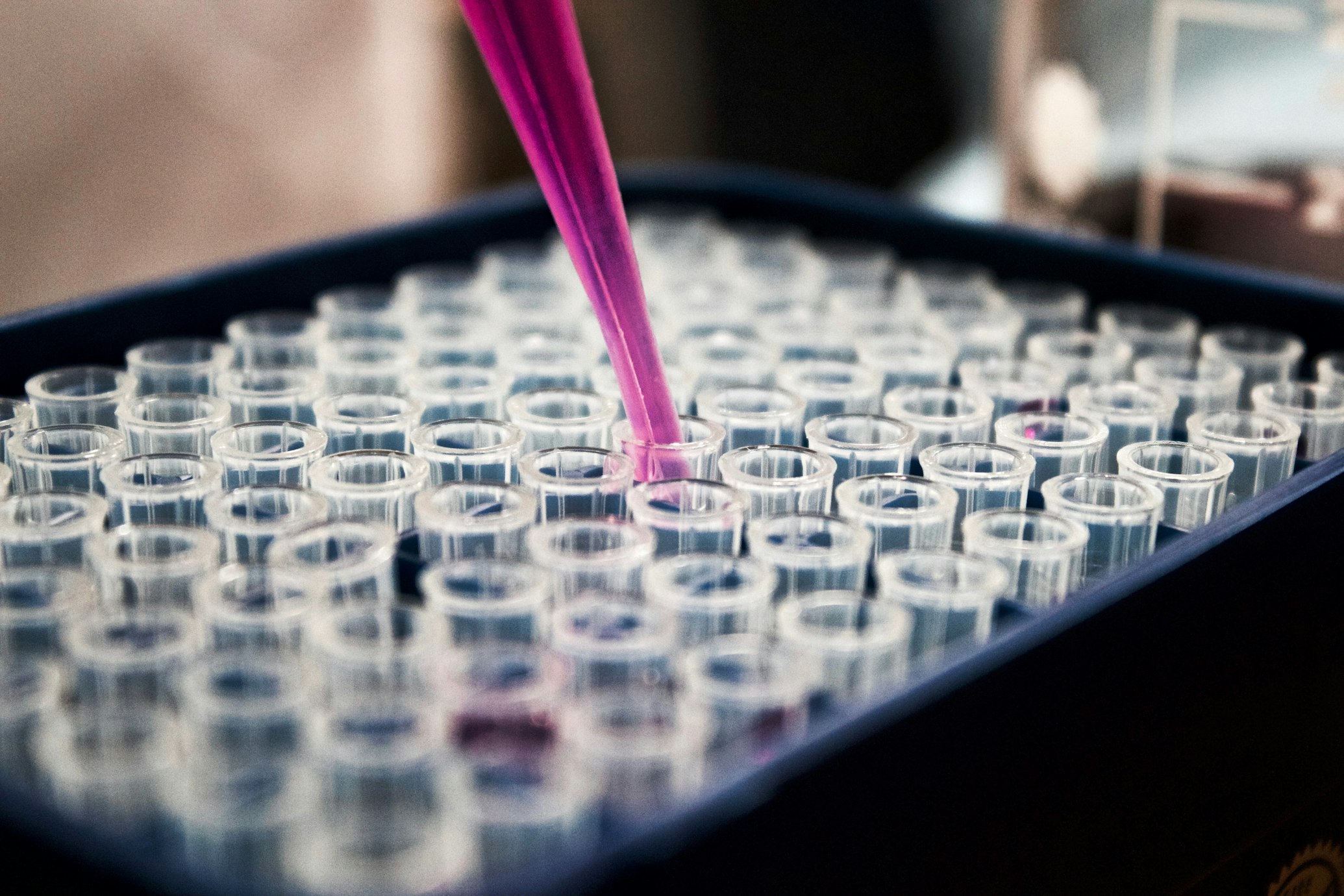

Results and Analysis: A Resounding Success
The results were clear and dramatic. The cells that received the full CRISPRa system showed significant production of gamma globin mRNA and protein, while untreated cells showed none.
This experiment was a crucial "yes, it works!" moment. While HEK293 cells are not blood cells, successfully activating the gamma globin gene in them proved that:
- The genetic switch for gamma globin, though silenced, could be forcefully reactivated.
- The CRISPRa system could be precisely targeted to this specific gene amongst thousands of others.
- This approach was technically feasible, paving the way for more complex experiments in actual blood stem cells.
Experimental Groups & Key Findings
| Group Name | Treatment | Gamma Globin Production |
|---|---|---|
| Experimental | CRISPRa system | 950 units |
| Negative Control | No treatment | 10 units |
| Control 2 | dCas9 only | 15 units |
| Control 3 | Guide RNA only | 12 units |
Gamma Globin Expression Levels
| Measurement Method | Experimental Result | Control Result |
|---|---|---|
| qPCR (mRNA) | 800-fold increase | 1x (baseline) |
| Western Blot (Protein) | High detection | Not Detected |
| Immunofluorescence | Bright signal | No signal |
Gamma Globin Expression Comparison
The Scientist's Toolkit: Key Reagents for Gene Activation
Pulling off an experiment like this requires a precise set of molecular tools.
HEK293 Cell Line
A robust and easily grown model of human cells used to test genetic techniques before moving to more sensitive cells (like blood stem cells).
Plasmid DNA
A small, circular piece of DNA that acts as the "instruction manual" and delivery vehicle for the genes of dCas9, the guide RNA, and the activator.
Lentivirus
A modified, harmless virus used as a "cargo ship" to efficiently deliver the plasmid DNA into the nucleus of the target cells.
dCas9-VPR Activator
The core machinery. The "dead" Cas9 (dCas9) for targeting, fused to the VPR protein, which acts as a powerful "on" switch for genes.
Guide RNA (gRNA)
The programmable, target-seeking component. It's a short RNA sequence designed to match and bind exclusively to the gamma globin gene promoter.
Fetal Bovine Serum (FBS)
A nutrient-rich liquid supplement added to the cell growth medium to provide essential nutrients and growth factors, keeping the HEK293 cells healthy and dividing.
Research Reagent Importance
A New Chapter in Medicine
The successful activation of the gamma globin gene in HEK293 cells was more than just a lab result; it was a beacon of hope. It demonstrated a powerful new strategy: rather than fixing a broken gene, we can circumvent it entirely by awakening a natural, healthy substitute that already exists in our genetic code.
This foundational work in model cells directly paved the way for current clinical trials, where scientists are now using similar CRISPR techniques on a patient's own blood stem cells. These modified cells are then reinfused, with the goal of producing enough fetal hemoglobin to effectively cure sickle cell disease. We are no longer just reading the book of life—we are learning to rewrite its most challenging chapters, one precise edit at a time.
The Future of Genetic Medicine
CRISPR-based therapies are advancing rapidly, with multiple clinical trials showing promising results for genetic disorders beyond blood diseases.