Research Articles

The Secret Life of Enzymes: Unraveling the Genetic Polymorphism of Wheat's Alpha-Amylase
Explore the fascinating world of alpha-amylase polymorphism in soft wheat and how genetic variations impact flour quality and agricultural economics.
The Genetic Treasure Hunt: Unlocking Cereal Crops' Hidden Potential
Discover how scientists are decoding the genetic secrets of cereal crops to develop resilient, high-quality varieties for future food security.
Redefining Relief: The New Frontier in Rheumatoid Arthritis Treatment
Explore the latest breakthroughs in rheumatoid arthritis treatment including targeted molecular therapies, device-based treatments, and AI-driven personalized medicine.
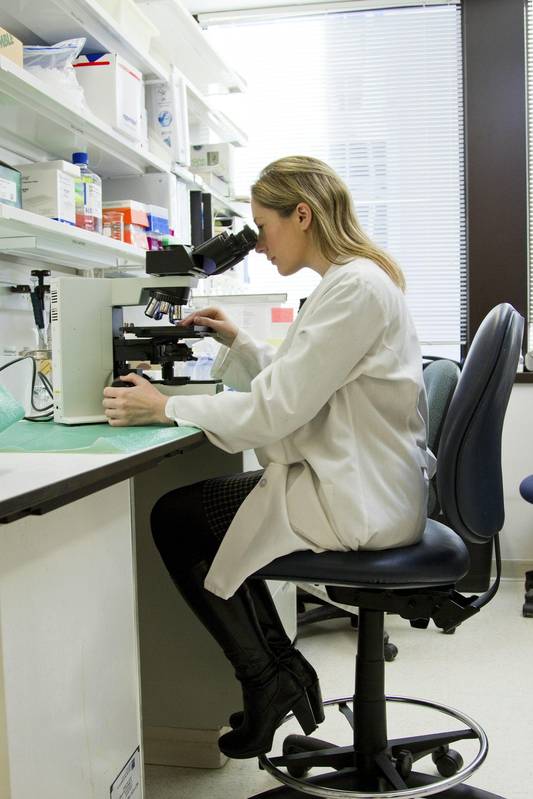
Shining a Light on Hidden Danger: How Glowing Metals Reveal Bacterial Invasion
Explore how Metal-Enhanced Fluorescence (MEF) technology revolutionizes bacterial detection and infection prevention through enhanced fluorescence signals.
Immunomics: The Cartographers Mapping Innate Immunity's Hidden Landscape
Explore how immunomics is revolutionizing our understanding of innate immunity through cutting-edge technologies and research approaches.

The Hunter's Mind: How the Pursuit of Prey Forged Our Brilliant Brains
Explore the fascinating connection between hunting and brain evolution, from cognitive arms races to experimental evidence revealing how hunting shaped human intelligence.
Venomics & Antivenomics: The Science Behind the Bite and the Cure
Exploring how cutting-edge science is decoding animal venoms to create revolutionary treatments for snakebites and other envenomations.

Fifty Years of Plant Evolution: Molecular Mysteries and Green Revolutions
Explore fifty years of breakthroughs in plant evolution, from Darwin's insights to modern molecular discoveries and their applications in medicine and agriculture.

The Hidden Battle Within: Decoding Muscular Disorders and the New Science of Restoration
Explore groundbreaking research in muscular disorders, from gene therapy to innovative treatments for Duchenne Muscular Dystrophy and other conditions.
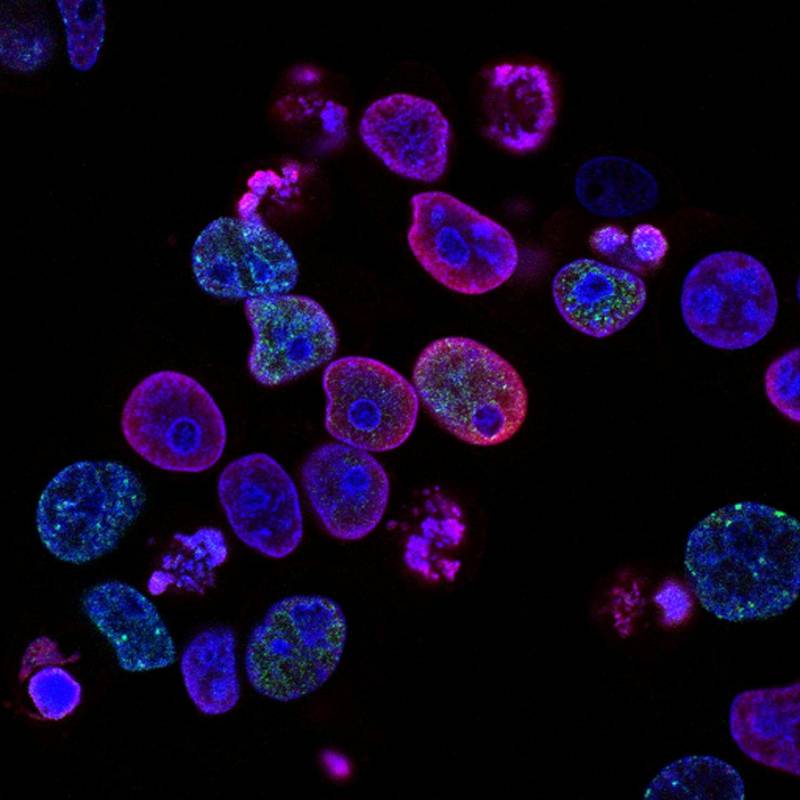
The Meiotic Masterpiece: Inna Golubovskaya's Genetic Journey
Explore the groundbreaking research of Inna Golubovskaya, who discovered over 50 meiotic genes in maize while surviving tumultuous historical events.